What are the advantages of using an armoured cable in electrical wiring?

Benefits of Using Armored Cable in Electrical Wiring
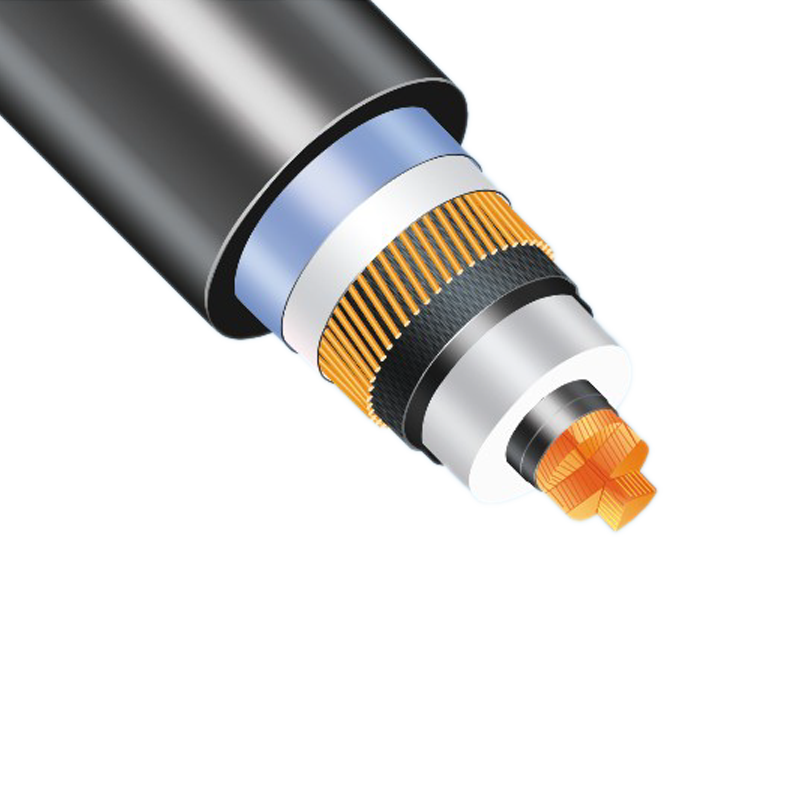
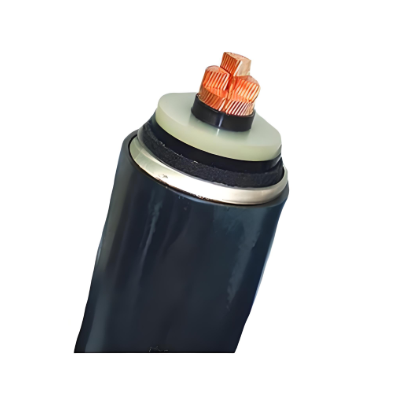
Armored cable (Armored Cable) is a type of cable with an additional protective layer, typically used in applications that require higher mechanical protection and environmental resistance. Below are the main benefits of using armored cable:
1. Enhanced Mechanical Protection
Compression and Tensile Strength: The armor layer, usually made of metal materials (such as steel tape or steel wire), can effectively resist external pressure, tension, and other mechanical stresses, preventing damage to the cable during installation or use.
Cut and Abrasion Resistance: The armor layer provides an extra physical barrier, protecting the cable from being cut or abraded by sharp objects, especially in harsh working environments.
2. Improved Environmental Performance
Moisture and Water Resistance: The armor layer offers additional moisture and water protection, particularly in damp or submerged environments. Some types of armored cables also feature special sealing designs, further enhancing their waterproof capabilities.
Corrosion Resistance: The armor layer is often galvanized or treated with other anti-corrosion methods, providing better protection in corrosive environments and extending the cable's lifespan.
3. Fire Resistance
Flame Retardancy: Some armored cables are made from flame-retardant materials, which can slow down the spread of fire in case of a blaze, reducing fire risks. Additionally, the armor layer itself can help prevent flame propagation to some extent.
4. Electromagnetic Shielding
Reduced Electromagnetic Interference (EMI): The armor layer can serve as an electromagnetic shield, reducing interference from external electromagnetic fields on the internal signals of the cable. This is particularly important in high-precision electronic devices or communication systems.
5. Adaptability to Complex Installation Environments
Underground or Buried Applications: Armored cables are especially suitable for underground or buried installations because they can withstand soil pressure and external mechanical damage. They also perform well when laid in conduits, handling complex installation conditions.
Industrial Environments: In industrial plants, mines, and other harsh environments, armored cables can resist heavy crushing, chemical corrosion, and other factors, ensuring reliable power transmission.
6. Extended Lifespan
Durability: Due to their superior mechanical protection and environmental resistance, armored cables generally have a longer lifespan compared to standard cables, reducing maintenance and replacement costs.
7. Compliance and Safety
Meeting Standards: Many armored cables comply with strict industry standards and regulations, such as the NEC (National Electrical Code), IEC (International Electrotechnical Commission), etc., ensuring safety and compliance in various applications.
Reduced Risk of Accidents: The robust structure of armored cables helps minimize electrical failures and safety incidents caused by cable damage.
Summary
Armored cables significantly enhance the reliability and safety of power transmission systems by providing enhanced mechanical protection, excellent environmental resistance, fire resistance, and electromagnetic shielding. They are particularly suited for applications requiring high-strength protection and long-term stable operation, such as industrial facilities, construction sites, underground projects, and more.