Ինչու է կաբելները սեղմվում։
Այժմից էլեկտրական համակարգերում, բացառությամբ էլեկտրական սյուների վրա դիմացած օդյա էլեկտրաէներգիայի փոխանցման կաբելների, օգտագործվող գրեթե բոլոր կաբելները սեղմված են։ Կաբելի սեղմման դիմադրության աստիճանը կապված է նրա նպատակահարմար կիրառման հետ։ Սեղմումը կատարում է շատ կրիտիկական ֆունկցիաներ։ Ենթադրվող էnergie կորուստների նվազեցումից դեպի շրջակա միջավայրը, նրա ամենակրիտիկական դերը է մարդկանց կյանքների պահպանությունը, խուսափելով էլեկտրական հիման հետևանքներից։
Էլեկտրական էnergie-ն ներկայացնում է նշանակալի հարավորություն։ Մի եզրակացած կոնտակտ կարող է ունենալ հիման հետևանքներ, որոնք չեն թույլատրում երկրորդ հավաքական։ Մեր մարմինները մասնակի էլեկտրական հոսանքի հղորներ են։ Երբ մենք մի հոսանք ներքրան կոնդուկտորի հետ կոնտակտ ենք ունենում, էլեկտրական հոսանքը կհոսի կոնդուկտորից մեր մարմնի մեջ։ Մեր մարմնի սահմանափակ հոսանքային հատկությունների պատճառով այն չի կարող արդյունավետորեն դասակարգել մուտքագրված հոսանքը։ Երբ հոսանքը գերազանցում է մեր մարմնի տարողությունը, դա կարող է հանգեցնել հիման հետևանքներ։
Որպեսզի խուսափենք այդ տարանգ անհաջողություններից տնային և բարձրագույն տեխնոլոգիայի դեպքերում, կաբելների սեղմումը դարձել է կարիքավոր պահանջ։ Սեղմումը գործում է sebagai penghalang, mencegah kebocoran arus dan memastikan bahwa komponen-komponen elektrik yang hidup tidak dapat diakses, sehingga menghilangkan risiko korsleting listrik.
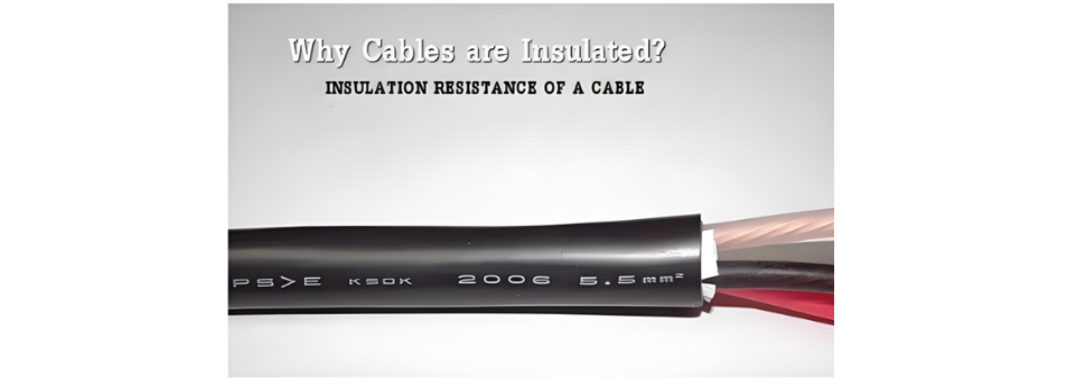
Իզոլատորը նյութ կամ բանալի է, որը դիմադրում է ջերմության և էլեկտրական էnergie-ի հոսքին։ Այս դիմադրությունը ծագում է նյութի ներսում ազատ շարժվող էլեկտրոնների բացակայության պատճառով։ Երբ կոնդուկտորները ծածկվում են իզոլատոր նյութերով, ինչպիսիք են պոլիվինիլ խլորիդը (PVC), նրանք կոչվում են սեղմված։ Այս գործընթացը, որը հայտնի է իզոլացիա անունով, նպատակն է խուսափել էլեկտրական էnergie-ի և ազատագրված սիգնալների դասակարգմանը շրջակա միջավայրում։
Տեմպերատուրայի ազդեցությունը իզոլատային նյութերի վրա
Տեմպերատուրան ունի խորը ազդեցություն տարբեր նյութերի էլեկտրական հատկությունների վրա։ Կոնդուկտորներում տեմպերատուրայի աճը հանգեցնում է դիմադրության աճին։ Միայն կիսա-հոսանքների և իզոլատորների դեպքում տեմպերատուրայի աճը հանգեցնում է դիմադրության նվազման։ aşırı sıcaklık koşullarında, bir yarıiletken daha iyi bir iletken haline gelebilir ve bir yalıtım malzemesi bile yarıiletken benzeri davranış gösterebilir.
Կաբելի իզոլացիոն դիմադրությունը
Cable conductors are encased in insulation of an appropriate thickness to prevent current leakage. The thickness of the insulation is determined by the cable's intended use. In a cable, the path of current leakage is radial, and the insulation offers radial resistance to the flow of current along its entire length.
Rins = ρdr/2πrl
For a single-core cable with a conductor of radius r1, an internal sheath of radius r2, length l, and an insulation material with resistivity ρ, the perimeter of the conductor is 2πr1. The differential thickness of the insulation is denoted as dr. The insulation resistance Rins can be expressed as:
Rins = ρ/2πl[loge r2 /r2 ]
Notably, Rins is inversely proportional to the length l of the cable, which contrasts with the relationship R=ρl for conductor resistance, where ρ represents resistivity, a material-specific constant.
Some cables, such as coaxial cables, feature multiple insulating layers and multiple cores. In coaxial cables, the central wire serves as the primary conductor. The additional cores are designed for grounding purposes and to shield against the escape of electromagnetic waves and radiation. A coaxial cable consists of an inner conductor, typically made of copper due to its low resistivity (and sometimes plated for enhanced performance), encased within a series of insulating layers. These layers often include a dielectric material, an aluminum foil or copper strand shield, and an outer PVC sheath. The outer sheath protects the cable from external environmental factors. When a voltage is applied to the inner conductor, the shield remains at a negligible voltage.
The coaxial design offers significant advantages. It confines electric and magnetic fields within the dielectric, minimizing leakage outside the shield. The multiple layers of insulation effectively block external electromagnetic fields and radiation, preventing interference. Since conductors with larger diameters have lower resistance and emit less electromagnetic leakage, and additional insulation further reduces such leakage, coaxial cables with multiple insulation layers are ideal for transmitting weak signals that are vulnerable to interference.
Features of an Insulated Cable
Given that the insulation resistance of a cable is determined by its design purpose, engineers must consider several factors when designing cables. Coaxial cables, for example, require extensive insulation to prevent both power leakage and electromagnetic radiation escape, often featuring two, three, or even four layers of insulation. Different cables are engineered for diverse applications, but they generally share the following key features:
Heat Resistance: Capable of withstanding high temperatures without degrading.
High Insulation Resistance: Minimizes current leakage and ensures electrical safety.
Mechanical Durability: Resistant to cuts, tears, and abrasion, ensuring long-term reliability.
Superior Properties: Exhibits excellent mechanical and electrical characteristics.
Chemical Resistance: Resistant to oils, solvents, and various chemicals.
Environmental Resilience: Impervious to ozone and weather conditions, suitable for both indoor and outdoor use.