1. Pagbuhat ug Paghimo og Bag-ong Materyales ug Pamaagi sa Pagsulay & Asset Management
1.1 Pagbuhat ug Paghimo og Bag-ong Materyales ug Komponente
Ang iba't ibang bag-ong materyales mao ang direkta nga mga carrier alang sa conversion sa energy, transmission sa kuryente, ug operasyon sa control sa bag-ong tipo sa sistema sa power distribution ug consumption, direktang naghuhunahuna sa operational efficiency, seguridad, reliability, ug sistema nga mga gastos. Taliwala:
Ang bag-ong conductive materials makapadami sa energy consumption, nag-address sa mga problema sama sa energy shortage ug environmental pollution.
Ang advanced electrical magnetic materials nga gigamit sa smart grid sensors makatabang sa pag-improve sa reliability sa sistema nga operasyon.
Ang bag-ong insulating materials ug insulation structures makasulbaran sa mas dako nga transient pulse overvoltage problems gikan sa integration sa power electronic equipment.
Ang next-generation microwave radio frequency devices ug power electronic devices nga gihimo batas sa third-generation semiconductor materials (representado pinaagi ni gallium nitride (GaN) ug silicon carbide (SiC)) makapaghatag og technical support alang sa energy conservation ug reduction sa consumption sa communication ug electronic fields.
1.2 Pagbuhat ug Paghimo og Bag-ong Power Equipment ug Electricity Consumption Facilities
Sa termino sa specific nga mga bag-ong produkto, ang mga enterprise mogamit og bag-ong power electronic equipment—espesyalmente ang soft normally-open switchgear. Pinaagi sa pag-control sa active ug reactive power flows sa connected feeders, kini nga mga device makakamit ang mga function sama sa power balancing, voltage improvement, load transfer, ug fault current limitation.
Sa gitas-on sa Energy Internet, ang pag-integrate sa bag-ong teknolohiya aron makamit ang "function + monitoring + electronization + digitalization + artificial intelligence" makatabang sa mga enterprise nga mobotar sa low-end imitation hangtod sa high-end manufacturing, expand gikan sa single products hangtod sa comprehensive solutions, ug transform gikan sa manufacturing factories hangtod sa innovation-driven facilities. Kini makatabang sa low-voltage electrical equipment manufacturing ug innovation nga makatubag sa low-carbonization, digitalization, ug sustainable development.
1.3 Full-Lifecycle Asset Management Technology for Power Equipment
Ang bag-ong tipo sa power distribution ug consumption systems involba ang wide variety sa bag-ong power equipment ug electricity consumption devices, importante kaayo ang full-lifecycle management ug ecological design sa power distribution equipment. Kinahanglan siguraduhon ang safe operation sa tanang equipment samtang makamit ang economic efficiency.
Ang full-lifecycle operation ug maintenance covers ang procurement demand phase, equipment acceptance phase, production ug operation phase, ug decommissioning phase. Sa asset management, ang integrated design kinahanglan implementar aron siguraduhon ang data sharing ug optimized management. Ang mga teknolohiya sama sa "Internet +" kinahanglan integrate aron mapalapad ang scope sa management ug mapabati ang management efficiency.
2. Distributed Generation ug Microgrid Technology
2.1Distributed New Energy Generation Technology
2.1.1 Efficient ug Economical New Energy & Renewable Energy Development Technology
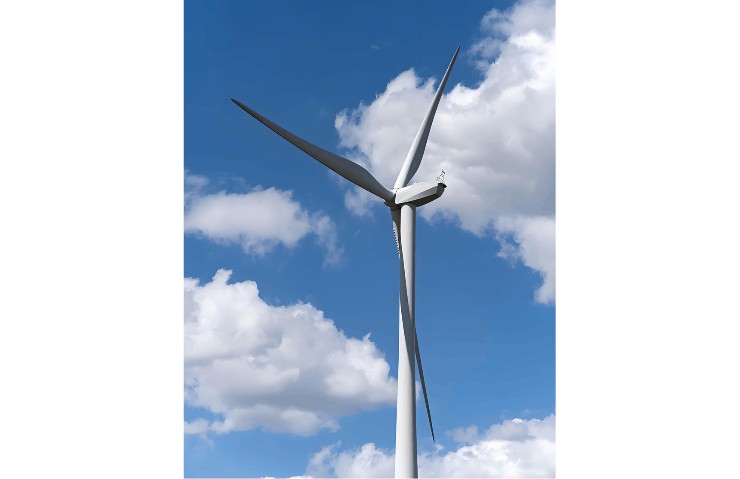
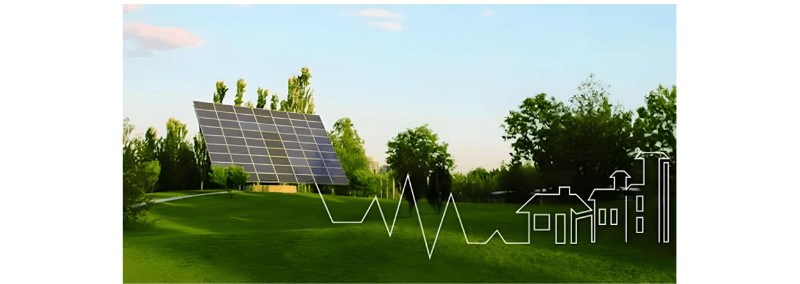
Pinaagi sa pagbutang sa new energy development technologies, ang uban nga renewable energy sources (e.g., wind ug solar energy) nahuman na og high level sa application ug kasagaran na ang dominant position sa power distribution systems. Apan, importante gyud ang pag-develop sa bag-ong materyales ug integrated photovoltaic panel technologies nga may lower costs ug higher efficiency.
Samtang, ang pag-develop sa uban pa nga energy sources—sama sa hydrogen energy, geothermal energy, ug biomass energy—kinahanglan pa usab mapromote. Halimbawa aniya ang hydrogen production-storage-transportation technologies, multi-stage geothermal utilization technologies, ug biofuel technologies.
Kusgan, ang coordinated development sa centralized ug distributed new energy makatabang sa pag-reduce sa transmission losses, pag-improve sa new energy utilization efficiency, ug pag-enhance sa grid’s ability sa pag-absorb sa new energy, resulta mao kini makadili og better social ug economic benefits.
2.2 Planning Technology for Distributed Energy
Ang key sa pag-address sa planning ug optimization sa distributed energy ownership mahimong maabot pinaagi sa pag-breakdown sa information communication barriers ug dispatching coordination barriers sa iba't ibang entities.
Gikan sa technical perspective, daghan pa nga technical constraints kinahanglan consider sa planning phase, kasama ang voltage level, short-circuit current level, ug power quality (flicker, harmonics).
Gikan sa mathematical perspective, ang planning methods nga involving multi-objective ug multi-uncertainty combinatorial optimization kaayo komplikado. Kini nga rason, ang multi-objective optimization planning nga integrated resources ug operations critical.
Kusgan, ang attention kinahanglan iganiha sa: conducting network analysis ug evaluation para sa systems nga adunay distributed energy; researching sa integration ug optimal planning sa power distribution systems ug communication networks; ug developing models ug simulation tools para sa comprehensive reliability, risk, ug economic analysis.
2.3 Active Support Technology for Distributed New Energy Generation
Ang distributed generation (DG) kinahanglan mag-adjust sa frequency ug voltage sa certain range, apan usab makasuppres sa rapid changes sa frequency ug voltage.
Karon, ang uban nga scholars miyembro na og "inertia-stiffness compensator," nga makapaghatag og instantaneous frequency ug voltage support sa DG kon ang sistema adunay power deficits. Ang frequency inertia support capability sa DG quantitatively expressed pinaagi sa active power compensation nga gihatag sa power step changes, providing a basis sa pag-formulate sa subsequent grid-connection standards.
2.4 Output Prediction Technology for Distributed New Energy Generation
Ang distributed new energy generation features wide spatial distribution, complex surrounding micro-meteorological characteristics, ug significant impacts gikan sa buildings ug human activities, making output prediction challenging.
Ang current research sa distributed new energy generation output mainly focuses sa paggamit sa weather forecasts ug climatic conditions sa power generation prediction, with excessive emphasis sa impact sa natural conditions sa new energy output. Wala kini consider sa spatial distribution characteristics sa DG ug factors related sa human social activities.
2.5 Cluster Control Technology for Distributed New Energy Generation
Ang distributed control mao ang ideal nga cluster control method sa DG sa power distribution systems nga may high new energy penetration.
Karon, ang research sa cluster control technology sa distributed new energy generation wala pa fully developed. Ang relevant achievements mainly focus sa control sa single power generation devices, wala consider sa coordinated control strategies sa multiple new energy generation devices nga connected sa system pinaagi sa grid-connected inverters.
Key issues remain unresolved: ang mechanism sa unbalanced power distribution sa multiple inverters sa power step changes; ang interaction mechanism sa multi-time-scale control strategies sa multiple inverters; ug ang inadequacy sa traditional droop control (based sa active power-frequency ug reactive power-voltage characteristic curves) kon ang resistance sa power distribution lines wala negligible, preventing DG sa pag-participate sa primary frequency ug voltage regulation.
2.6 Distributed Energy Storage Technology
Gikan sa power perspective, ang static ug dynamic issues sa new-type power distribution systems essentially power imbalance problems sa different time scales:
Sa relatively long time scale sa peak load periods, ang power imbalance sa generation ug load sides lead sa static issues sama sa peak-valley differences.
Sa relatively short time scale gikan sa power step changes hangtod sa activation sa primary frequency/voltage regulation, ang power electronic equipment wala may rotor inertia sa synchronous generators ug wala makasupport sa system kon adunay power imbalance, resulta mao kini nagreduce sa system stability ug deteriorated power quality.
Ang distributed energy storage technology provides a feasible solution sa address sa static ug dynamic issues gikan sa power imbalance sa different time scales.
2.6.1 Peak Shaving ug Frequency Regulation Technology for Energy Storage
Ang energy-type energy storage—represented pinaagi ni distributed pumped storage, flow batteries, lithium-ion batteries, ug cold/heat storage technologies—makatabang sa pag-eliminate sa load peaks, shave peaks ug fill valleys, smooth fluctuations, ug operate in conjunction sa charging piles aron mapabati ang charging power impacts, resulta mao kini makapailhan sa utilization rate sa power distribution equipment.
Ang peak shaving ug frequency regulation technology for energy storage imposes high requirements sa energy storage systems sa terms sa capacity, response speed, cost, safety, ug power/energy density. Ang single energy storage type wala makapadayon sa requirements, kini nga research sa hybrid energy storage technologies nga may comprehensive advantages necessary.
2.6.2 Stability ug Power Quality Enhancement Technology
Ang distributed energy storage technology provides a feasible solution sa improve sa stability ug power quality sa new-type power distribution systems.
Ang uban nga scholars proposed a method nga coordinates energy storage systems sa grid-connected inverter control strategies aron makapaghatag og dynamic stability support sa system. Kon ang large-scale integration sa power electronic equipment nagreduce sa system inertia, ang grid-connected inverters combined sa energy storage will become an important means sa enhance sa system dynamic stability.
Kusgan, ang power-type energy storage—represented pinaagi ni supercapacitors—features fast response capabilities ug plays a key role sa improve sa power quality sa power distribution systems. Karon, ang large-capacity, safe, ug economical energy storage devices sa distributed energy storage technology wala pa fully maturely applied, failing sa fully meet sa peak shaving needs sa large-scale integration sa incremental loads.
2.6.3 Microgrid Technology
Considering the coordinated control of various distributed resources at the microgrid level and equating the microgrid to a voltage/current source externally can reduce the complexity of frequency and voltage stability control in power distribution systems.
Considering power mutual assistance and dispatch optimization at the microgrid cluster level can leverage the complementary characteristics of new energy and loads in different regions to address economic dispatch issues such as DG output fluctuations and peak-valley differences.
2.6.4 Frequency and Voltage Dynamic Stability Technology for New Energy Microgrids
As a relatively independent and autonomous region, new energy microgrids face dynamic stability issues similar to those of power distribution systems.
Some scholars have proposed a voltage-source virtual synchronous generator (VSG) control strategy. VSG is a common control method to improve the dynamic frequency and voltage support capabilities of DG. Its core idea is to control grid-connected inverters to simulate the external characteristics (active power-frequency and reactive power-voltage) of synchronous generators.
The virtual inertia and damping of synchronous generators simulated by traditional VSG technology are generally fixed. Under different types of power disturbances, fixed inertia parameters cannot meet the stability and rapidity requirements of microgrid frequency dynamic regulation.
Based on the above considerations, some scholars have proposed adaptive virtual inertia control technology. Additionally, other scholars have proposed generalized droop control technology by improving traditional droop control—incorporating secondary frequency control into traditional droop control to simulate inertia and damping characteristics.
2.6.5 Macro-Control Technology for Microgrid Clusters
Key issues in the operation and control of microgrid clusters include how to achieve unified regulation of multiple microgrids and how to realize power mutual assistance and optimized operation.
Some scholars have proposed a four-level control structure for microgrid clusters, including the power distribution layer, microgrid cluster layer, microgrid layer, and unit layer.
Two main strategies are used at the microgrid cluster layer: master-slave control and peer-to-peer control.
Master-slave control requires high communication between microgrids and imposes significant pressure on the master control unit for voltage and frequency regulation.
Peer-to-peer control overcomes these shortcomings: each microgrid unit performs autonomous peer-to-peer control based on pre-set droop curves, without the need for communication or upper-level control.
Some scholars have proposed a control strategy for hybrid microgrid clusters composed of AC and DC microgrids. This strategy standardizes the active power-frequency characteristics of AC microgrids and the active power-voltage characteristics of DC microgrids to obtain a unified control scale, enabling peer-to-peer control of hybrid microgrid clusters.
To address the challenges of real-time dispatch optimization for microgrid clusters, some scholars have proposed a modeling method for the coordinated optimization of microgrid clusters based on a partially observable Markov decision process (POMDP) under a decentralized structure. This method enables optimization modeling based on partially observed information even under weak communication conditions and uses Lagrange multipliers to decouple the objective function, reducing solution complexity. This research provides important guidance for realizing real-time dispatch optimization of microgrid clusters with complex variables and peer-to-peer control.
3. Source-Load Interaction Technology
Flexible Load Utilization and Load Management Technology
Flexible load utilization is a key link in the future development of smart energy use and energy conservation, contributing to the development of an energy-saving society.
Research on flexible load regulation technology includes:
Classifying and modeling flexible loads based on their characteristics to fully tap into load elasticity potential.
Actively improving flexible load mechanisms and advancing the construction of demonstration projects.
Using intelligent technologies to conduct differentiated analysis of user behavior and improve regulation accuracy.
Effective load management can alleviate the supply-demand imbalance in new energy systems caused by the instability of new energy and uncertainties on the load side. Currently, power load management technology already has functions such as electricity fee management, power loss management, anti-stealing electricity analysis, and data sharing.
With the development of data-driven technologies, virtual power plants, and 5G communication, power load management systems will be significantly enhanced in terms of load data prediction, load coordination control technology, and management effectiveness. This will strongly support the coordinated operation of various components (e.g., distributed generation, electric vehicles, and energy storage systems) and improve the rational utilization of resources.
3.1 Power Flow Calculation Methods Considering Source-Load Uncertainties
Power flow calculation is an important foundation for power distribution system planning and dispatch operation.
At present, some scholars have proposed power flow calculation methods that consider the uncertainties of photovoltaic and wind power output. In addition, other scholars have proposed power flow calculation methods that consider load uncertainties and uncertainties in load response to peak shaving demands.
Overall, existing research has extensively considered uncertainties in various links of source-load interaction and proposed power flow calculation methods for individual uncertainties. However, there is a lack of integrated analysis of multiple uncertainties and their coupling effects, which limits the accuracy of power flow calculation in complex new-type power distribution systems.
3.2 Multi-Objective Optimal Dispatch Technology for Power Distribution Systems Under Source-Load Interaction Mode
Under the source-load interaction mode, dispatch decisions largely affect the safety and reliability of system operation.
Currently, some scholars have proposed multi-objective power flow optimization solutions using second-order cone optimization and particle swarm optimization algorithms. These solutions use Pareto optimal solution sets to conduct multi-dimensional evaluations of potential optimal solutions, providing dispatchers with more flexible decision-making options and facilitating the realization of safe, stable, and economical dispatch under the source-load interaction mode.
3.3 Economic Operation Technology in the Power Market Environment
Guiding multiple entities to participate in power market transactions through various incentive methods is an important means to promote source-load interaction. Specific technical forms include demand response (DR) and virtual power plants (VPPs).
Currently, relevant research focuses on using price incentive mechanisms to stimulate users’ enthusiasm for participation. To fully tap into and mobilize adjustable resources in the system, some scholars have conducted research on: overall situational awareness of source-grid-load; real-time quantitative evaluation of response capabilities; implementation of response strategies from group to individual; source-grid-load coordinated control technology; and multi-time-scale characteristics of loads. This research provides ideas for the development of system dynamic power balance technology based on demand response.
Research on source-load interaction mainly focuses on two aspects: power flow analysis and optimization technology, and market guidance mechanisms.
In terms of power flow analysis and optimization technology, existing technologies ignore the spatiotemporal coupling characteristics and temperature correlation characteristics caused by source-load aggregation in power distribution systems, making it difficult to improve the power flow control accuracy of new-type power distribution systems and achieve peak-valley difference smoothing on short time scales.
In terms of market guidance mechanisms, considering the inevitable time delay of load response, demand response cannot perfectly solve the peak-valley difference problem of power distribution systems. It is necessary to integrate deep flexible load control technology to enable load energy consumption curves to track new energy generation curves in real time, thereby achieving real-time source-load balance, fundamentally solving the peak-valley difference problem, and improving the utilization rate of power distribution equipment.
4. DC Power Distribution Technology
Currently, research on DC power distribution technology mainly focuses on the following aspects:
4.1 Voltage Sequence and Standardization
There is currently no unified international standard for DC power distribution voltage level sequences.
Scholars at home and abroad have proposed various DC voltage level sequence selection schemes based on factors such as power supply capacity, investment costs, DC equipment manufacturing levels, power quality requirements, power distribution economics, and load demand characteristics of various typical power distribution scenarios.
China issued the GB/T 35727—2017 Guidelines for Medium and Low Voltage DC Power Distribution Voltages in December 2017. Currently, relevant standards focus on the planning of voltage levels for medium and low voltage public DC power distribution systems, while there is a lack of detailed standards for DC voltage level sequence planning in specific scenarios such as communication systems, building power supply, ship power supply, and urban rail transit.
4.2 Fault Protection Technology for DC Power Distribution Systems
Fault protection technology is a key means to ensure the safe operation of DC power distribution networks.
The emergence of new power distribution equipment (represented by two-level voltage source converters and modular multilevel converters) and ring network topologies has profoundly changed the fault characteristics of power distribution networks.
Some scholars have proposed protection strategies based on current direction comparison, extreme value comparison, direction prediction, and "single-branch real-time memory, multi-branch short-time location," which have improved the speed of fault type identification and the reliability of fault isolation.
4.3 Coordinated Control and Dispatch Optimization Technology for DC Power Distribution Systems
Currently, the voltage control strategies for DC power distribution networks mainly include three methods: master-slave control, droop control, and voltage margin control.
Based on the experience of DC power distribution network demonstration projects, master-slave control is the most widely used voltage control method for DC power distribution networks at this stage.
Some scholars have proposed improved voltage control strategies, such as a DC voltage deviation slope control strategy that combines droop control and deviation control. This strategy overcomes the slow response speed of deviation control and the steady-state error of droop control.
With the large-scale integration of distributed generation, energy storage, and flexible loads, microgrids will become an important way to achieve friendly integration and efficient absorption of new energy in power distribution systems. The coordinated control technology of AC/DC microgrid clusters combined with DC power distribution technology is a research direction worthy of attention in the future.
5. Digital Power Distribution Network Technology
5.1 Intelligent Technology for Electrical Equipment
The foundation of digital management technology lies in electrical equipment having data collection, computing, and communication capabilities.
Data Collection: Compressed sensing technology can reconstruct original signals with high probability using low-rank data, which is an effective method to resolve the contradiction between sensor cost and performance in intelligent power equipment.
Computing: How to realize algorithm lightweight and apply it to edge computing is a question worthy of attention.
Communication: Wireless communication, optical fiber communication, and carrier communication are the main methods for power equipment to achieve remote communication at this stage. The information security of intelligent terminals is also a key issue that needs to be focused on in the research of intelligent power equipment.
5.2 Transparency Technology for Power Distribution (Micro)Grids
The various types of sensors in new-type power distribution systems generate massive amounts of electrical and non-electrical data. Through the construction of multi-state monitoring databases for equipment, digital technology enables the overall observability and controllability of new-type power distribution systems, gradually moving toward transparency.
Currently, in the multi-source data collection link of digital management technology, power distribution equipment has not yet achieved intelligence, lacking means for collecting various electrical and non-electrical data, and there is no unified standard for data upload interfaces.
In the data processing and analysis link, there is a lack of mining technology for the correlation of multi-modal and multi-type data, making it impossible to fully utilize the spatiotemporal correlation information contained in the data for power distribution operation optimization.