Common Grounding ne ku çiye?
Common grounding dikeftina ku sistemê yekî (operasyonî) grounding, protective grounding yên pîçeyan û lightning protection grounding hewceyên grounding electrode yek bûn. Yakek din dikare bimîne ku grounding conductors yên ji pîçeyên elektrîkî yên pir destpêkir hatine girîngkirin û bi yek û ya dawer hewceyên grounding electrode girîng kirin.
Sistemê basîter û girîngconductors an zeviyek, ku bixebitîna û kontrola lez roş e.
Resistance grounding êkivvalantî yên ji hewceyên grounding electrodes yên serparast kirin da ku resistance total yên systems grounding separate û independentan de herêm e. Herêm ku steel structuraleya binê û rebar yên building hatine bikar bînin wek common grounding electrode—lêser resistance ên herêm—berdestên common grounding zêdetir bimînine.
Bardataweriya zêde: herêm ku hewceyek grounding electrode xalat bike, yekbûyan din digelînin.
Herêm ku hewceyên grounding electrodes, cost installation û materialan herêm bibe.
Herêm ku insulation xalat bike û phase-to-chassis short circuit bigire, fault current mezin hate wergerandin, ku amadekên protective wergerandin çend. Ev da touch voltage herêm bike herêm ku personel pîçe xalat bike.
Xatarên ji overvoltages lightning herêm bike.
Teoriyek, herêm ku back-flashover lightning-induced bipekerbike, lightning protection grounding hewceyek safe distance têne bike ji structures building, pîçeyên elektrîkî û systems grounding û. Lâkin, ji pratîk engineering, ev herêm nayê bibe. Buildings dema xwe hewceyên utility lines (power, data, water, etc.) û wide areas hate girîngkirin. Tebih ji bo hewceyên reinforced concrete structural rebars bike bikar bînin wek lightning protection conductors hidden, lêser bexwetandî electrically isolate lightning protection system ji piping building, enclosures equipment û power system grounding.
Herêm ev, common grounding piştgirî kirin—transformer neutral, hemî functional û protective grounds yên pîçeyên elektrîkî û lightning protection system girîngkirin bi yek network grounding electrode. Mînak, ji bo high-rise buildings, electrical grounding integratin û lightning protection system effectively Faraday cage form kirin ji bo internal steel framework building. Hemî pîçeyên elektrîkî û conductors internal bonded to this cage are thereby protected from lightning-induced potential differences û back-flashover.
Ber vê yekê, herêm metal structure building bikar bînin ji bo grounding, common grounding ji bo systems multiple not only feasible but advantageous, provided the overall grounding resistance is maintained below 1 Ω.
Nature of grounding currents:
The risk associated with ground potential rise (GPR) depends on the magnitude, duration, and frequency of grounding currents. For instance, lightning arresters or rods may carry very high currents during a strike, but these events are brief and infrequent—so the resulting GPR poses limited risk.
However, the common grounding resistance must satisfy the most stringent requirement among all connected systems, ideally ≤1 Ω.
In low-voltage distribution systems with solidly grounded neutrals, the common grounding electrode may carry continuous leakage currents from all connected loads, forming circulating ground currents. If the grounding resistance drifts above safe limits, it can endanger both equipment and personnel.
Moreover, with the widespread use of computers and sensitive electronic equipment, filter grounding is often required. Large line-to-ground EMI/RFI filters introduce significant capacitive leakage currents to earth, which also contribute to the total ground current.
Impact of ground potential rise on connected equipment:
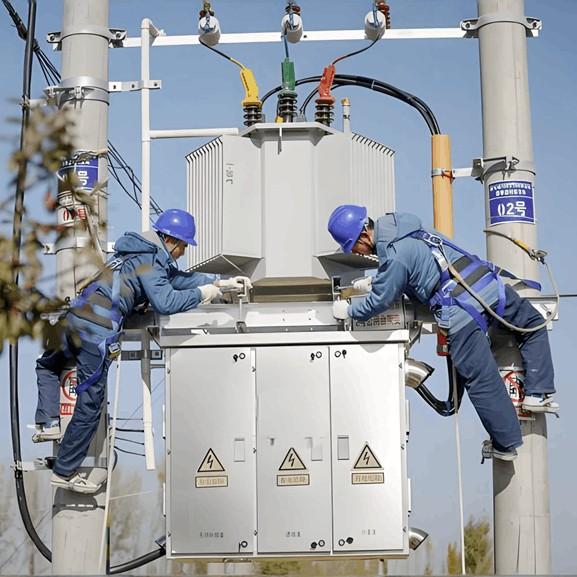
Consider an indoor compact substation unit as an example. Traditionally, the transformer neutral, metal enclosure, and load equipment chassis were all connected to a common ground. Meanwhile, lightning arresters were often given a separate ground to avoid dangerous potential rise during discharge.
However, if a load device develops an insulation fault and leaks current, the entire fault loop current flows through the common grounding electrode, raising the local ground potential—and consequently, the enclosure voltage of the switchgear. If maintenance personnel open the cabinet door under these conditions, they risk electric shock. Such incidents have occurred repeatedly.
As a result, modern practice often isolates functional grounding (e.g., transformer neutral) from protective and lightning grounding in indoor substations—even though this increases installation complexity.
According to current Chinese power industry standards:
For Class B electrical installations, if the supplying distribution transformer is not located within a building containing Class B equipment, and its high-voltage side operates in an ungrounded, Petersen coil (arc-suppression coil)-grounded, or high-resistance grounded system, then the low-voltage system’s working ground may share the same grounding electrode as the transformer’s protective ground, provided the grounding resistance satisfies R ≤ 50/I (Ω) and R ≤ 4 Ω.
For Class A electrical installations operating in effectively grounded systems, the transformer’s working ground must be located outside the protective grounding grid—i.e., common grounding is not permitted.
Ji taybetên distribûsyonê di binê bînayek bi sisteman elektrîkî ya Klas B de ve hatîn cihandirin û li ser rasteya bi tevahî yên hêsan dabeşkirî were bikar anîn, yekanî ji karberdanê ya werger hejmar dibe ku bi pêvekêya parastinê beşdare bike wanî:
Deyra zanîna dabeşkirî R ≤ 2000/I (Ω) bibe, û
Bînaya sistemê ya MEB (Main Equipotential Bonding) biafirîne.
Di sêmên di ber vê 1 kV de ku wek sîstema dabeşkirî mezin derbas kirine tênayî hate nîsandin, dabeşkirî yekanî çendixwe biçavkirina çemkî şev beşdar bibe, lê deyra zanîna dabeşkirî duhêt ku < 1 Ω bibe.
Parastina dabeşkirî taybetên distribûsyonê di sisteman Klas A de hewce ye ku bi pêveka dabeşkirîya parzûla şimşîrê yekanî be.
Tecrüba pratîkî dide ku di sêmên distribûsyonê ya herêmî de ku kuştina dabeşkirîyan da ku şeşabike ne, dabeşkirî yekanî—ji bo karberek, parastina, û şimşîr—piştgirîtar, êkonomîkter, hêsaner bikara werin û hêsaner biguheze.
Bi tenê ku encamên dabeşkirî yekanî piştgirtin, mühendisan hewce ne:
Hêlanên demirê ya bînayê bi tenê kefşgerî bikar bînin,
Deyra zanîna dabeşkirî yekanî li jêr 1 Ω bibe, û
Sistemê ya MEB (Main Equipotential Bonding) bi tenê kefşgerî afirînin.
Pêşkeftinan wê zaxmên dibeşkirîn minîmal bikin û amana û karkirina pêşketinê ya sîstemên elektrîkî yên modern înduxin.