When are induction motors used as generators?

An induction motor can be used as a generator, a mode of operation known as an induction generator. The motor can switch to generator mode under specific conditions, primarily for special application scenarios. Here are the main situations and conditions under which an induction motor can be used as a generator:
1. Supersynchronous Speed Operation
Conditions:
Speed Exceeds Synchronous Speed: When the rotor speed of the induction motor exceeds the synchronous speed, it can operate as a generator. The synchronous speed is determined by the supply frequency and the number of poles in the motor. ns = 120f/p
Where:
ns is the synchronous speed (RPM).
f is the supply frequency (Hz).p is the number of pole pairs in the motor.
Principle:
When the rotor speed exceeds the synchronous speed, the direction in which the rotor conductors cut the stator magnetic field reverses, causing the induced current in the rotor to reverse as well. This generates a magnetic field in the rotor that opposes the stator magnetic field, creating an electromagnetic torque that converts the motor from absorbing electrical energy to generating electrical energy.
2. Driven by an External Prime Mover
Conditions:
External Prime Mover: An external prime mover (such as a water turbine, wind turbine, or diesel engine) must drive the rotor to a speed exceeding the synchronous speed.
Applications:
Wind Power Generation: Wind turbines drive induction generators to convert wind energy into electrical energy.
Hydropower Generation: Water turbines drive induction generators to convert water energy into electrical energy.
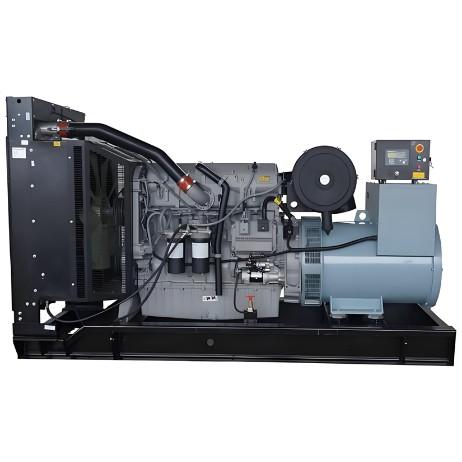
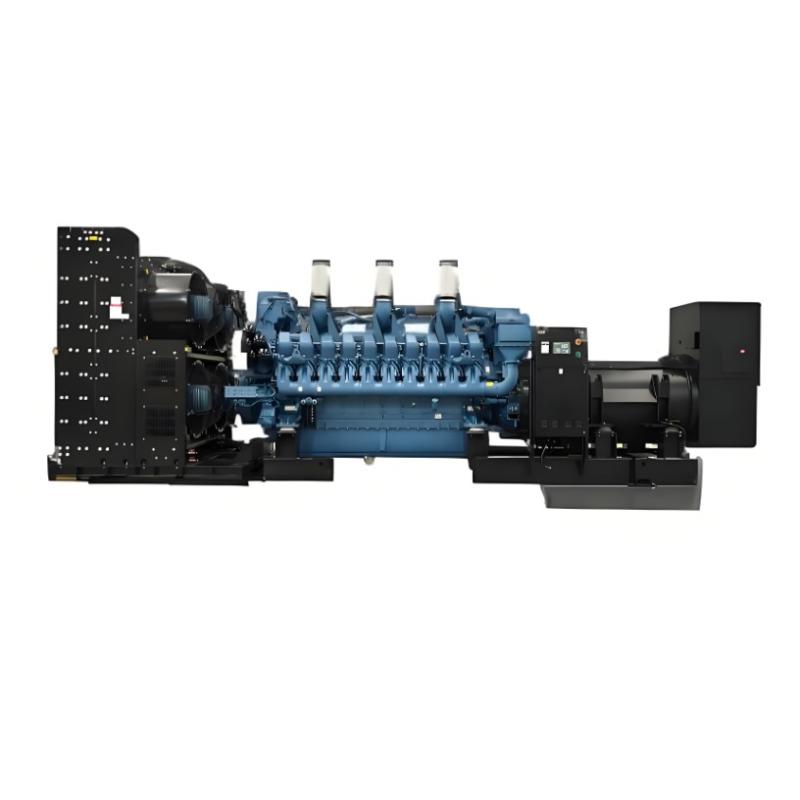
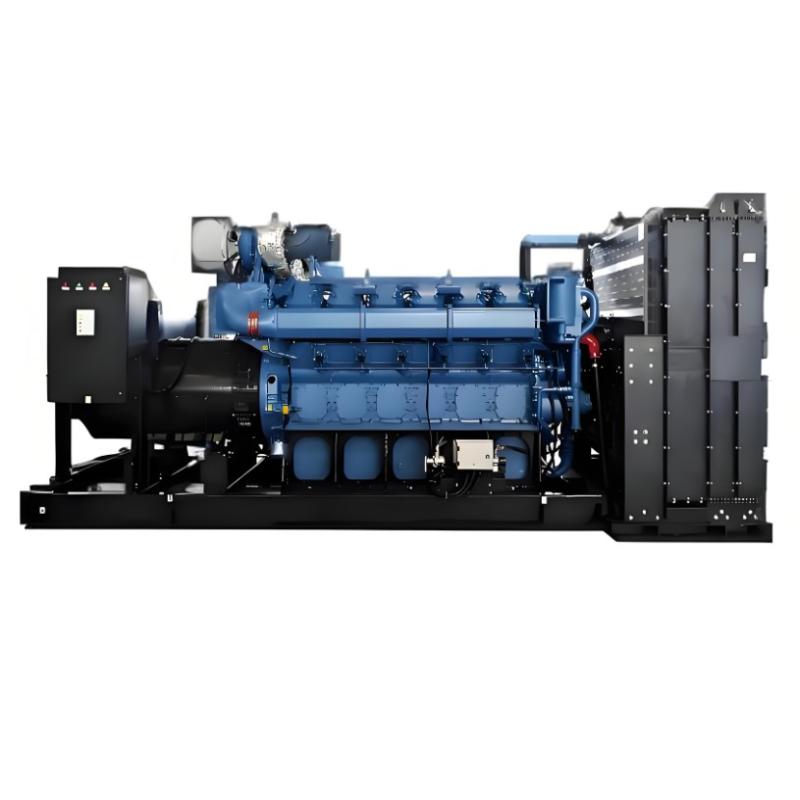
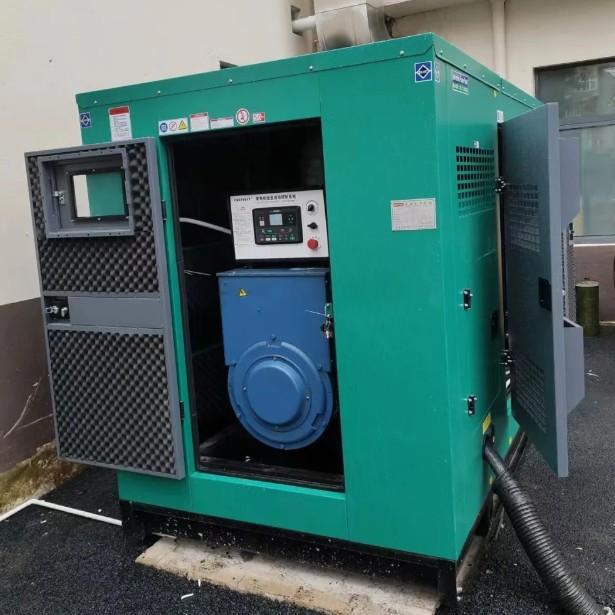
Diesel Power Generation: Diesel engines drive induction generators for use in small power stations or emergency power supplies.
3. Grid-Connected Operation
Conditions:
Parallel to the Grid: Induction generators typically need to be connected to the grid to receive the necessary excitation current. Induction generators cannot provide the required excitation current on their own and must obtain it from the grid or another power source.
Principle:
When an induction generator is connected to the grid, the excitation current provided by the grid enables the rotor to produce a magnetic field, thereby generating electrical energy. Grid connection improves system stability and reliability.
4. Stand-Alone Operation
Conditions:
Self-Excited Operation: In some cases, induction generators can operate in self-excited mode, using residual magnetization and parallel capacitors to achieve self-excitation. This method is suitable for small, stand-alone power generation systems.
Principle:
In self-excited operation, the induction generator requires an initial magnetic field (usually provided by residual magnetization) and parallel capacitors to provide the necessary reactive power to maintain generator operation.
5. Variable Speed Generation
Conditions:
Variable Speed Prime Mover: Induction generators can be used directly for variable speed generation within a certain range, without the need for complex gearboxes or control systems.
Applications:
Wind Power Generation: When wind speeds vary, the rotational speed of the wind turbine changes, and induction generators can adapt to these changes to achieve variable speed generation.
Hydropower Generation: When water flow rates vary, the rotational speed of the water turbine changes, and induction generators can adapt to these changes to achieve variable speed generation.
Advantages
Simple Structure: Induction generators do not require complex excitation systems, making them simple in structure and easy to maintain.
Easy Grid Connection: Induction generators are easy to connect to the grid and are simple to control.
Economic: Induction generators are cost-effective and suitable for small and medium-sized power generation systems.
Disadvantages
Requires Excitation Current: Induction generators need to receive excitation current from the grid or another power source and cannot operate independently.
Power Factor: Induction generators typically require parallel capacitors to improve the power factor; otherwise, they can affect the efficiency of the power supply.
Summary
An induction motor can be used as a generator under specific conditions, primarily for applications such as wind power generation, hydropower generation, and diesel power generation. By operating at supersynchronous speeds and being driven by an external prime mover, the induction motor can switch to generator mode, converting mechanical energy into electrical energy.