It is possible to use one inverter connection to operate two fans, but several factors need to be considered:
I. Inverter capacity
Power requirements
First, determine the total power demand of the two fans. Check the nameplate or instruction manual of the fans to find out the power value of each fan, and then add the powers of the two fans. For example, if the power of one fan is 100 watts and the other fan is 80 watts, then the total power of the two fans is 180 watts.
The capacity of the inverter must be greater than or equal to the total power demand of the two fans. If the inverter capacity is too small, it may not be possible to start two fans simultaneously, or overload protection may occur during operation, causing the fans to stop working.
Peak power
In addition to considering the rated power of the fans, the peak power at fan startup also needs to be considered. Some electrical appliances consume higher power at the moment of startup than during normal operation. If the inverter cannot provide sufficient peak power, the fans may not start normally.
You can choose an inverter with a certain margin to ensure that it can meet the power requirements for fan startup and operation. For example, if the total power of two fans is 180 watts, you can choose an inverter with a capacity of 200 watts or more.
II. Connection method
Parallel connection
Usually, two fans can be connected in parallel to the inverter. This means connecting the power cords of the two fans to the output ports of the inverter respectively. In parallel connection, each fan independently obtains power from the inverter.
Ensure that the connection is correct and firm, and avoid loose or poor contact. Use an appropriate wire gauge to ensure that it can withstand the current requirements of the two fans.
Precautions
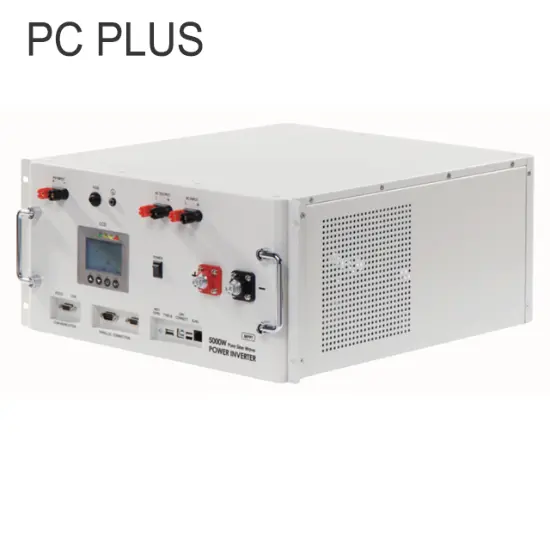
When connecting two fans, pay attention to whether the output voltage and frequency of the inverter match the requirements of the fans. Most household fans usually use AC power, and the inverter can convert DC power into AC power. Ensure that the AC voltage and frequency output by the inverter meet the working requirements of the fans.
In addition, consider the heat dissipation problem of the inverter. If the inverter overheats during operation, it may affect its performance or even be damaged. Ensure that the inverter has sufficient heat dissipation space and avoid placing it in a closed or high-temperature environment.
In conclusion, when using one inverter to connect two fans, carefully consider the inverter capacity, fan power requirements, and connection methods to ensure that the system can operate safely and stably.

 Login