Functions and Selection of Grounding Transformers in Photovoltaic Power Stations

1.Neutral Point Establishment and System Stability
In photovoltaic power stations, grounding transformers effectively establish a system neutral point. According to relevant power regulations, this neutral point ensures the system maintains certain stability during asymmetric faults, functioning like a "stabilizer" for the entire power system.
2.Overvoltage Limitation Capability
For photovoltaic power stations, grounding transformers can effectively limit overvoltages. Generally, they can control overvoltage amplitude within 2.6 times the system rated voltage, significantly reducing the risk of equipment damage due to overvoltage conditions.
3.Short-Circuit Impedance Considerations
When selecting grounding transformers, short-circuit impedance parameters must be carefully evaluated. Appropriate short-circuit impedance ensures that during short-circuit faults, the transformer's own losses and heating remain within safe limits. Typically, short-circuit impedance is controlled between 4% to 8%.
4.Zero-Sequence Current Path for Protection Systems
Grounding transformers provide an effective zero-sequence current path for relay protection devices in photovoltaic power stations, enabling protection systems to more accurately detect and respond to ground faults, thereby enhancing overall system operational safety.
5.Capacity Selection Criteria
When determining grounding transformer capacity, comprehensive evaluation based on factors such as photovoltaic power station scale and short-circuit current magnitude is essential. For example, small-scale stations may require only a few hundred kVA, while large-scale stations might need transformers exceeding one thousand kVA.
6.Three-Phase Current Balancing
Grounding transformers can balance unbalanced currents in three-phase systems. According to power system analysis theory, they help maintain more symmetrical three-phase voltages, ensuring proper operation of electrical equipment.
7.Insulation Performance Requirements
From an insulation perspective, grounding transformers must meet the insulation requirements dictated by the photovoltaic station's environmental conditions. For instance, in high-humidity environments, the insulation class should be at least Class F or higher.
8.Single-Phase Ground Fault Current Limitation
During single-phase ground faults, grounding transformers can limit fault currents to specific ranges. Typically, fault currents are controlled to several hundred amperes, preventing fault escalation and system-wide disruption.
9.Cooling Method Selection
Selecting the appropriate cooling method for grounding transformers is crucial. Common options include oil-immersed self-cooling and dry-type air cooling. Small-scale stations are generally better suited for dry-type air cooling, while large-scale stations benefit more from oil-immersed self-cooling systems.
10.Electrical Isolation Function
Grounding transformers also serve an important isolation function, preventing electrical interference between different voltage levels or separate systems. This capability is particularly significant in the complex electrical architecture of modern photovoltaic power stations.


-
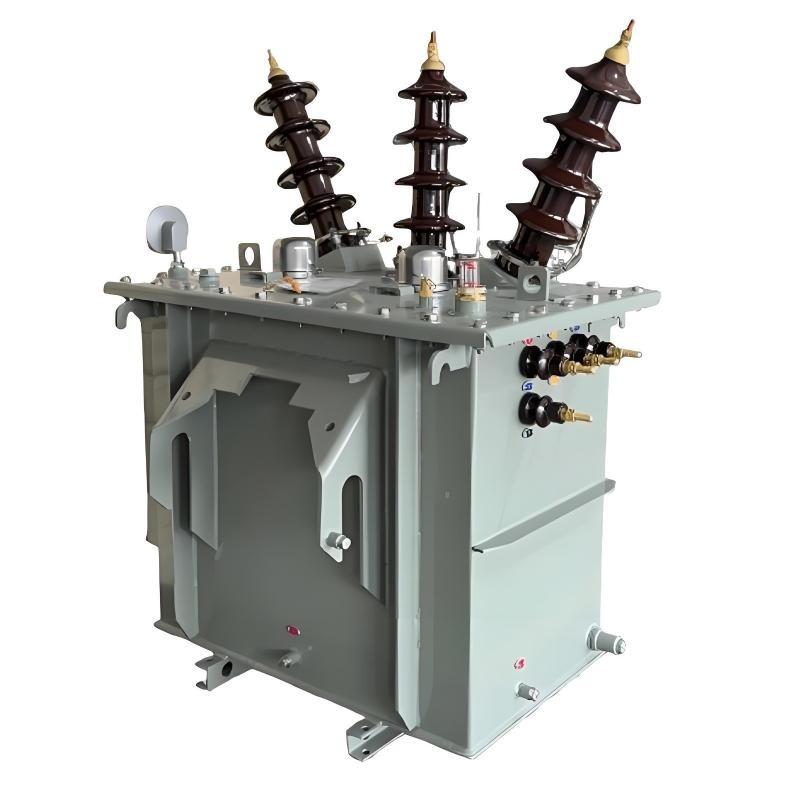
15kV 20kV 22kV 30kV 33kV 35kV oil-immersed neutral grounding resistance to transformer (earthing transfoemer)

-
Customization 6kV 10kV 20kV 22kV 33kV Oil-Immersed High-Voltage Side-Mounted Grounding Transformer source manufacturer

-
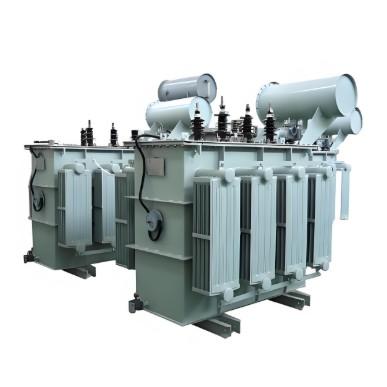
22kV 30kV 33kV 66kV Three phase Oil Immersed Grounding /Earthing Transformer Manufacturer

-
11kV 15kV 20kV 22kV Three-Phase Oil-Immersed Earthing/Grounding Transformer China Manufacturer