• Product
  • Suppliers
  • Manufacturers
  • Solutions
  • Free tools
  • Knowledges
  • Experts
  • Communities
Search


Unsa ang Dapat Ibutang sa Atensyon Sa Pagpili ug Pag-install sa GIS Current Transformers?

James
James
Larangan: Operasyon sa Elektrolyo
China

Hi everyone, I'm James, and I've been working with current transformers (CTs) for 10 years. Today, I’ll talk about what you need to watch out for when selecting and installing GIS current transformers.

Part 1: Key Considerations During Selection
1. Accuracy Class

  • Protection-grade CTs: Used for relay protection — focus on overload capacity and transient response.

  • Metering-grade CTs: Used for billing purposes — require high accuracy, usually 0.2S or 0.5S class.

2. Rated Primary Current

Choose based on the system’s maximum load current, and leave some margin to avoid overheating due to long-term full-load operation.

3. Insulation Level

Make sure the CT meets the insulation requirements of your voltage level, especially for withstand voltage tests.

4. Environmental Adaptability

Pick models that can handle the environmental conditions like extreme temperatures, humidity, or corrosion — look for anti-corrosion materials or special coatings.

5. Space Limitations

GIS equipment is compact, so make sure the CT size fits well without interfering with other components.

Part 2: Important Installation Notes
1. Follow Manufacturer Instructions

Always install according to the manual. Skipping steps might seem harmless now, but it can lead to big problems later.

2. Grounding

The secondary side must be reliably grounded to prevent dangerous induced voltages. Don’t forget to check primary-side grounding either.

3. Sealing Check

Since GIS uses SF6 gas, proper sealing is critical. Carefully inspect all flanges and joints before installation — even a small leak can cause serious issues.

4. Insulation Test After Installation

Do an insulation resistance test after installation to ensure everything is up to standard — especially important in humid environments.

5. Commissioning & Calibration

After installation:

  • Confirm polarity;

  • Test the ratio;

  • Check secondary circuit connections;

  • Run a simulated load test to verify performance.

6. Dust & Contamination Protection

During installation, cover open parts with protective covers to prevent dust or debris from getting inside.

Part 3: Final Thoughts

As someone who's worked in this field for over a decade, here's my takeaway:

“Selecting and installing GIS current transformers isn't just about picking and placing — it requires careful planning and attention to detail.”

If you run into challenges during selection or installation, feel free to reach out. I’m happy to share more hands-on experience and practical solutions.

Here’s hoping every GIS current transformer runs smoothly and safely!

— James
Maghatag og tip ug pagsalig sa author
Gipareserbado
Paunsa sa pagpili og dry-type transformer?
1. Sistema sa Pagkontrol sa TemperaturaAng usa ka sa mga pangunahon nga dahon sa pagkawasak sa transformer mao ang pagkasira sa insulation, ug ang pinakadako nga banta sa insulation mao ang paglangkob sa makatarungan nga limitasyon sa temperatura sa mga winding. Kini nga rason, ang pagmonitor sa temperatura ug ang pag-implementar sa sistema sa alarm para sa mga nagoperasyon nga transformers mahimong dili malipayan. Ang sumusunod mao ang pagpakilala sa sistema sa pagkontrol sa temperatura gamit a
James
10/18/2025
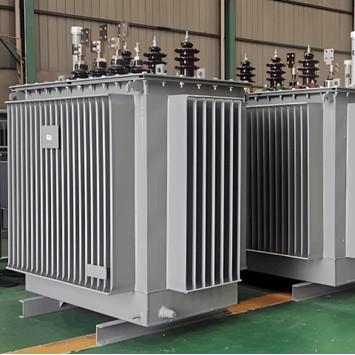
Paunsa ang Tama nga Transformer?
Pamilihan ug Pag-configure sa Transformer1. Importansya sa Pamilihan ug Pag-configure sa TransformerAng mga transformer naglakip og importante nga papel sa sistema sa kuryente. Sila moguba sa nivel sa voltaje aron mapasabot sa lain-lain nga pangangailihan, nahimo ang pagpadala ug pagdistribute sa gikinahanglan nga kuryente mula sa mga planta sa kuryente. Ang dili maayo nga pamilihan o pag-configure sa transformer mahimong magresulta sa serius nga problema. Pwede masulti, kon ang kapasidad dili m
James
10/18/2025
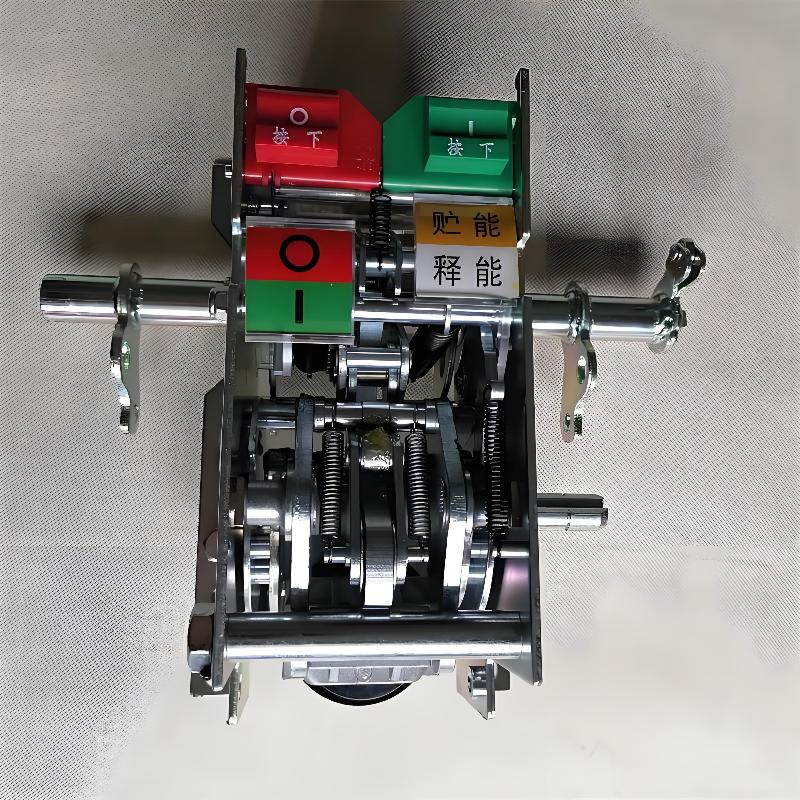
Komprehensibong Ginuhit alang sa Operasyon sa Mekanismo sa HV ug MV Circuit Breakers
Unsa ang Spring Operating Mechanism sa High- ug Medium-Voltage Circuit Breakers?Ang spring operating mechanism usa ka kritikal nga komponente sa high- ug medium-voltage circuit breakers. Iya kini gamiton ang elastic potential energy nga naka-store sa mga springs aron mapasabot ang pagbukas ug pagsara sa breaker. Ang spring gicharge pinaagi sa electric motor. Kapag operasyon na ang breaker, ang naka-store nga energia gibuto aron mobati ang moving contacts.Key Features: Ang spring mechanism nagami
James
10/18/2025
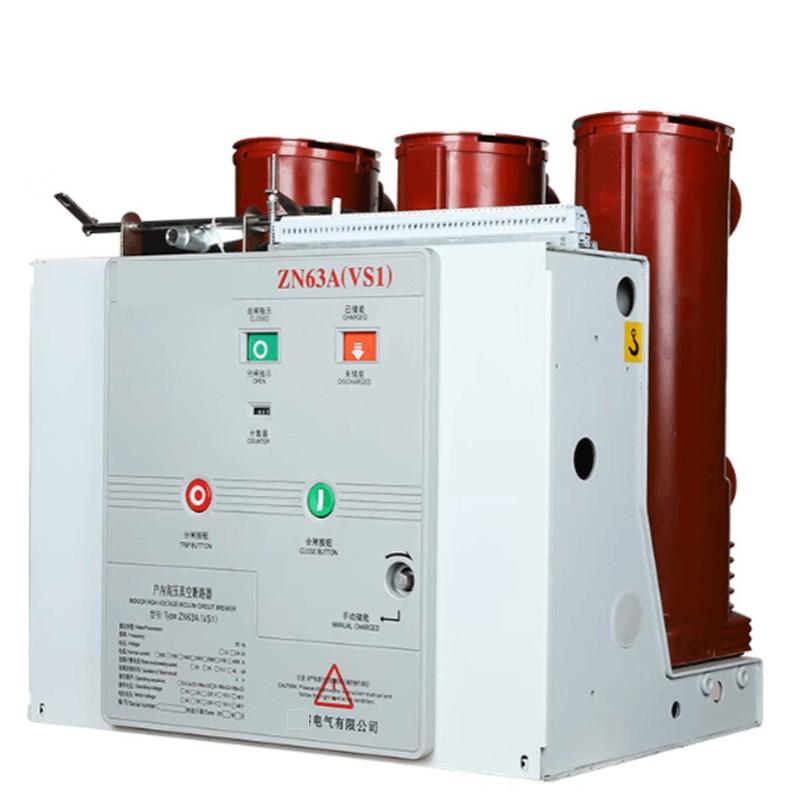
Pili-an ang Tama: Fixed o Withdrawable VCB?
Pagkakaiba sa pagitan sa Fixed-Type ug Withdrawable (Draw-Out) Vacuum Circuit BreakersAng artikulo kini nagpapahambing sa mga karakteristikas sa estruktura ug praktikal nga aplikasyon sa fixed-type ug withdrawable vacuum circuit breakers, naghilabihan sa mga pagkakaiba sa funksyon sa tunay nga implementasyon.1. Basiko nga DefinisyonesAng duha ka klase mao ang mga kategoriya sa vacuum circuit breakers, na-share ang core function sa pag-interrupt sa current pinaagi sa vacuum interrupter aron mapro
James
10/17/2025
Inquiry
Pangutana
Pangutana sa IEE-Business Application
Pangita og mga equipment gamit ang IEE-Business app asa asa ug kailan man sugad og pagkuha og solusyon pagsulay sa mga eksperto ug pagpadayon sa industriya nga pakisayran suportahan ang imong proyekto sa kuryente ug negosyo