First Fully Unmanned GIS Inspection at ±800kV UHV Station

On October 16, a ±800 kV ultra-high-voltage (UHV) transmission project completed all its maintenance tasks and was fully re-energized. During this period, a regional power company successfully conducted the first-ever fully unmanned inspection of the GIS (Gas-Insulated Switchgear) room at a UHV converter station within this power system.
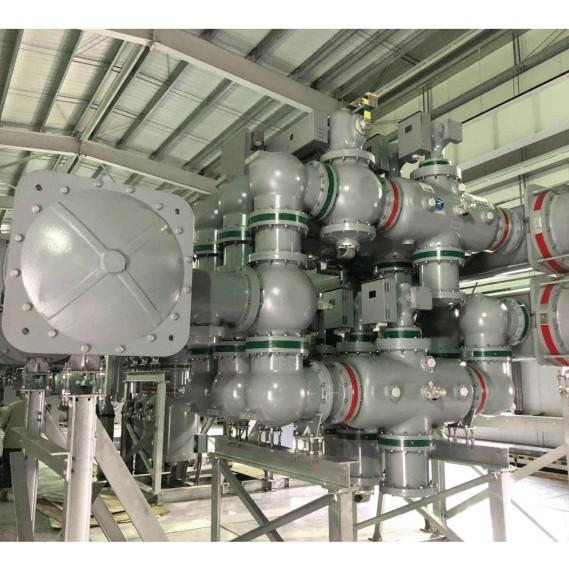
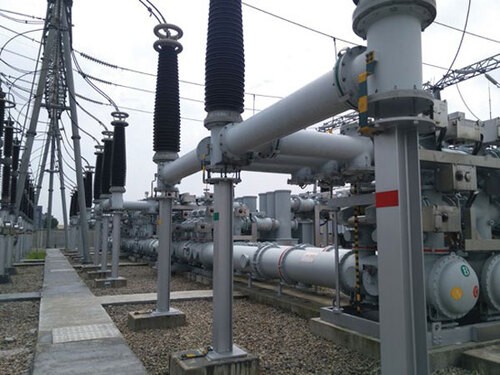
As a key component of China’s “West-to-East Power Transmission” strategy, the ±800 kV UHV project has been in operation since 2016 and has delivered nearly 400 billion kilowatt-hours of clean electricity to the region. The GIS room at the converter station houses more than 770 critical grid devices—including circuit breakers and disconnectors—that are essential for switching operations and ensuring reliable, stable power transmission across the entire grid.
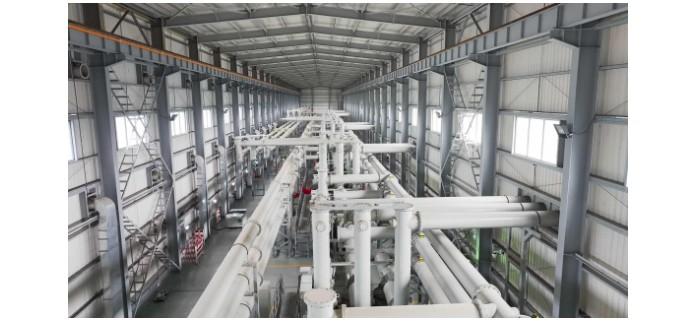
Traditionally, inspections in this confined and hot environment relied entirely on manual labor. Operators had to crane their necks to inspect overhead equipment and navigate through dense arrays of pipes and conduits—a time-consuming and physically demanding process.
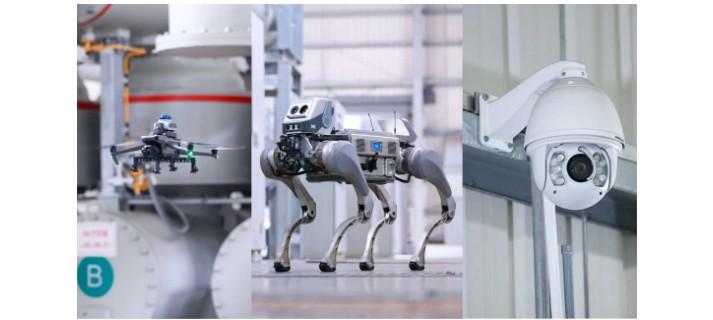
This year, the regional power company pioneered an innovative “3D collaborative” intelligent inspection system, integrating drones, robotic dogs, and other smart devices to achieve the first truly unmanned inspection of the GIS room.
Drones fly precisely through tight spaces and above high-mounted equipment, accurately assessing disconnector positions and monitoring temperatures at critical points with an accuracy of ±0.1°C. Robotic dogs access blind spots invisible to human eyes, collecting over 20 types of operational data—including hydraulic oil levels and SF₆ gas pressure—with 100% coverage of all inspection points. More than 50 high-definition cameras form a 24/7 three-dimensional surveillance network, achieving an anomaly detection accuracy rate of 98.5%.
This unmanned inspection approach has dramatically improved efficiency. A task that previously required two operators nearly two hours to complete manually can now be fully executed in just 30 minutes using the “3D collaborative” intelligent inspection system—boosting efficiency by nearly fourfold. This milestone marks a strategic shift in UHV converter station GIS room operations—from labor-intensive manual inspections to “smart operation and maintenance”—enhancing inspection efficiency and establishing a more robust digital defense for grid safety and reliability.