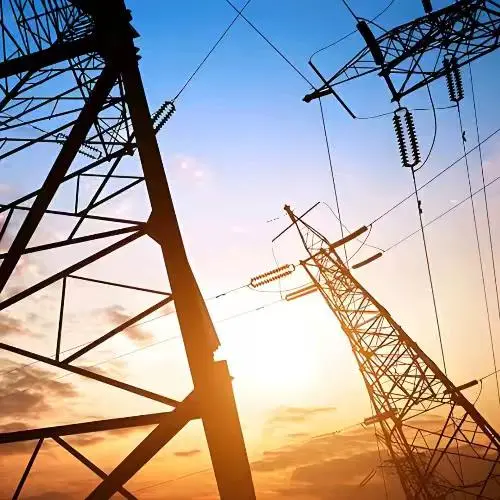
Substations, Switching Stations, and Distribution Rooms er Kemon Bisheshota?
Substation ekta bishishto power shilpa holo je electric power system e voltage level badalay, electrical energy grhane o distribut kore, power flow er direction control kore, ar voltage adjust kore. Ei transformer gula dhara amra onnanno voltage level er power grid ke jonne connect kori. Duijantra specific application—jemon submarine power cable ba long-distance transmission—shomosto system high-voltage direct current (HVDC) transmission use kore. HVDC AC transmission er capacitive reactance losses ke overcomes kore ar energy-saving benefit deya.
Substations primarily high voltage ta medium voltage te niye ashbe na ki high voltage ke slightly lower high voltage level e step down kore. Ei station gula relatively boro area khujepare, land requirements voltage level o capacity aneke hoy. Tair jonno, ebong keu keu ei station gula “transformer stations” bhabe bole.
Function:
Substation holo power plants o end users er madhyabarte intermediate facility. Jodi power plants city o factory theke dur thake, ar power plants er voltage relatively kom hoy, tahole resulting high current transmission lines e significant heat loss hole Jaye’s law aneke. Ei line gula damage hote pare, ar electrical energy er conversion heat e major inefficiency hoy. Tair jonno, substations use hoye power plant er voltage step up kore efficient long-distance transmission korte urban o industrial areas e. Porthe, local substations voltage ta step down kore required levels e, je distribution networks dhara poribarite 220 V standard provide kore.
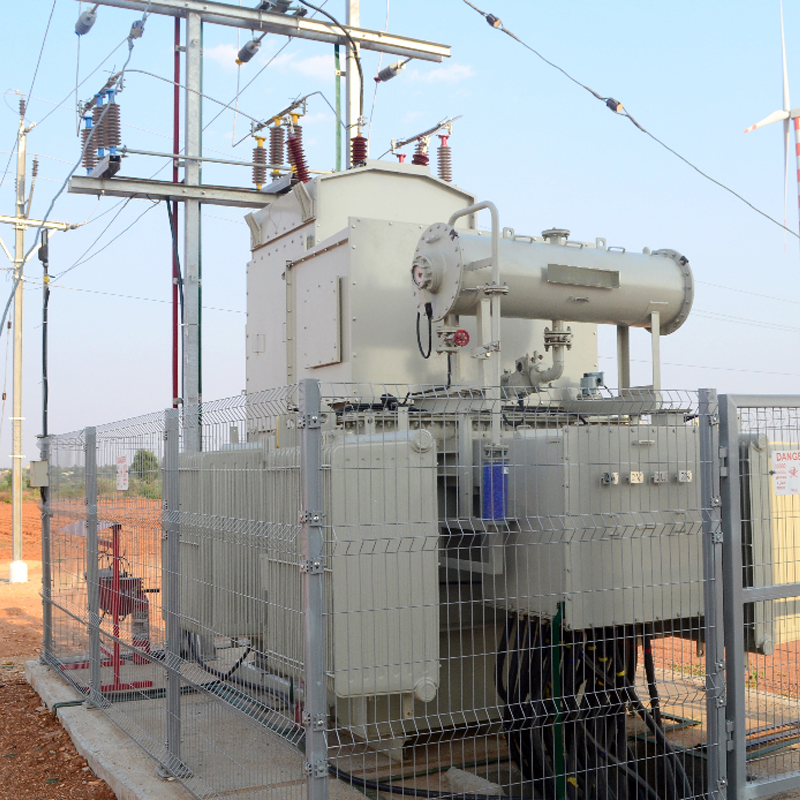
Location:
Economic standpoint theke dekhe, substations load centers ke close e thakte chai. Operational perspective theke, ei station gula production activities o internal transportation interfere korbe na, ar equipment delivery er access convenient hote chai. Safety reasons theke, substations flammable o explosive areas avoid korbe. Generally, substations site er upwind side e thakte chai, dust o fibers tend accumulate kore thakar area theke dur, ar densely populated zones e place kora jabe na. Substation siting o construction fire suppression, corrosion resistance, pollution control, waterproofing, rain o snow protection, seismic resistance, o prevention of small animal intrusion account korte hobe.
Distribution Substation
Definition:
Distribution substation o ekta facility holo voltage level change korer jonno. Ei power system er location voltage o current transform, centralized, o distribute hoy. Power quality o equipment safety ensure korar jonno, voltage regulation, current control, o transmission/distribution lines o major electrical equipment er protection perform kora hoy. Substations application aneke power distribution substations o traction substations (electric railways o trams er jonno use hoy) category hoy. China’s national standard GB50053-94 "Code for Design of 10 kV and Below Substations" aneke substation define kore “AC power 10 kV or below e power transformer dhara stepped down kore supply electrical loads.” Jei facility ei definition follow kore sei substation hisebe qualify kore.

Function:
Substation er role holo power stations theke electricity grhane, typically voltages no higher than 1–2 kV. Direct long-distance transmission such low voltages e korle very high line currents hoy, causing excessive power losses o low transmission efficiency. Tair jonno, transformers use hoye voltage ta tens o even hundreds of kilovolts (depending on distance o power demand) e step up kore line current reduce korte. To interconnect power lines of varying distances o capacities into a unified grid o enhance overall system reliability, multiple substations needed hoy different voltage levels match o link korte. Similarly, after high-voltage power reaches its destination, it must be stepped down to levels such as 10.5 kV, 6.3 kV, o 400 V (i.e., 380/220 V) to meet diverse user needs. Thus, numerous substations required in practice. Typically, a main substation refers to a primary substation, with secondary substations downstream. The primary substation handles high-voltage switching o distribution but does not perform voltage transformation itself.
Distribution Room (or Switchgear Room)
Definition:
Distribution room o called distribution substation. National standards aneke distribution room define kore “facility containing only high-voltage switchgear for opening/closing circuits o distributing electrical power, with no main power transformer on the busbar.” Distribution rooms operate voltage levels below 35 kV e o house circuit breakers, instrument transformers, capacitors, o associated protective o metering devices. In simple terms, it is a building that houses high-voltage switchgear cabinets, incoming/outgoing line panels, etc.—this constitutes a distribution room (or chamber). Larger facilities may include multiple high-voltage o low-voltage switchgear cabinets to perform voltage transformation o power distribution.
The terms “substation” o “distribution room” often refer to transformer o distribution rooms in residential complexes o commercial buildings. The distribution room holo a building’s power supply system er critical component. Dedicated electricians provide 24-hour operational monitoring. Unauthorized personnel prohibited from entering without approval from the property management manager o department head. Operators certified hote hobe, familiar with the equipment, operation procedures, o safety protocols. They must closely monitor readings from voltmeters, ammeters, o power factor meters, o must never allow air circuit breakers to operate under overload conditions. The floor o equipment surfaces in the distribution room must be kept clean o dust-free at all times. Switching operations performed by on-duty personnel with a supervisor present; two people must never perform switching operations simultaneously to avoid errors.
Switching Station (or Switchgear Station)
সংজ্ঞা:
সুইচিং স্টেশন হল একটি বিতরণ উপ-স্টেশন যা ভোল্টেজ রূপান্তর করে না, তবে সুইচিং উপকরণ ব্যবহার করে বৈদ্যুতিক পরিচালনার মধ্যে খোলা বা বন্ধ করে। এটি পাওয়ার সিস্টেমে একটি উপ-স্টেশনের ঠিক নিচের স্তরে অবস্থিত একটি পাওয়ার সুবিধা, যা উচ্চ-ভোল্টেজ বৈদ্যুতিক শক্তিকে একটি বা একাধিক আশেপাশের বৈদ্যুতিক উপভোগীদের মধ্যে বিতরণ করে। এর মূল বৈশিষ্ট্য হল যে ইনকামিং এবং আউটগিং লাইন ভোল্টেজ একই রকম। যদিও অঞ্চলগত উপ-স্টেশনগুলিও সুইচিং ফাংশন পালন করতে পারে, তবে স্পষ্টভাবে উল্লেখ করা দরকার যে একটি সুইচিং স্টেশন একটি উপ-স্টেশন থেকে আলাদা।
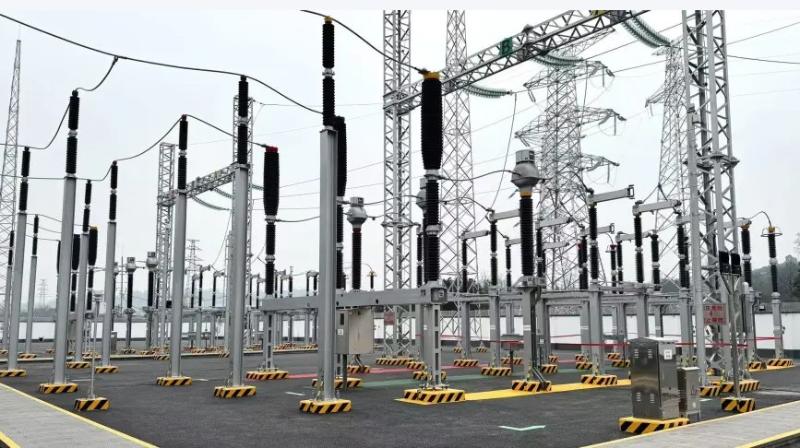
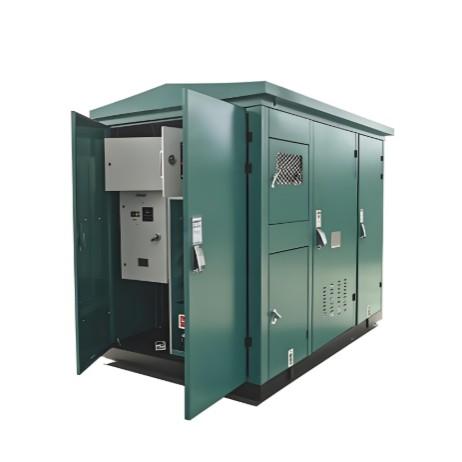
একটি সুইচিং স্টেশন হল বৈদ্যুতিক শক্তি গ্রহণ এবং বিতরণের জন্য ব্যবহৃত একটি পাওয়ার সাপ্লাই এবং বিতরণ সুবিধা। উচ্চ-ভোল্টেজ ট্রান্সমিশন নেটওয়ার্কে, এটি সাধারণত "সুইচিং স্টেশন" বা "সুইচইয়ার্ড" হিসাবে পরিচিত। মধ্য-ভোল্টেজ বিতরণ নেটওয়ার্কে, সুইচিং স্টেশনগুলি সাধারণত 10 কেভি শক্তি গ্রহণ এবং বিতরণের জন্য ব্যবহৃত হয়। এমন স্টেশনগুলিতে সাধারণত দুটি ইনকামিং ফিডার এবং বেশ কিছু আউটগিং ফিডার (সাধারণত 4 থেকে 6) থাকে। নির্দিষ্ট প্রয়োজনীয়তার উপর নির্ভর করে, ইনকামিং এবং আউটগিং লাইনে সার্কিট ব্রেকার বা লোড ব্রেক সুইচ স্থাপন করা যেতে পারে। সরঞ্জামটি সাধারণত 10 কেভি ভোল্টেজ স্তর পর্যন্ত বাইরের পরিচালনার জন্য রেটিংযুক্ত একটি সম্পূর্ণ ধাতব আবদ্ধ সুইচগিয়ার অ্যাসেম্বলি। একটি সাধারণ সুইচিং স্টেশনের ট্রান্সফার ক্ষমতা প্রায় 8,000 কেডব্লিউ এবং এটি একটি জেলা বা এলাকার মধ্যে স্থানীয় ট্রান্সফরমার বা বিতরণ রুমে মধ্য-ভোল্টেজ শক্তি সরবরাহ করে।
অপারেশন:
পাওয়ার সাপ্লাই ফিডার বিভাগ করে দোষের সময় বিঘ্নের পরিসর সীমিত করে, ফলে পাওয়ার সাপ্লাই নির্ভরযোগ্যতা এবং সুযোগ বৃদ্ধি পায়;
উপ-স্টেশনের জটিলতা কমায়;
ভোল্টেজ স্তর পরিবর্তন করে না তবে ফিডার সার্কিটের সংখ্যা বৃদ্ধি করে—ফাংশনালভাবে একটি বিতরণ উপ-স্টেশনের সমতুল্য।
অবস্থান:
সুইচিং স্টেশনগুলি সাধারণত রেলওয়ে স্টেশন, ফ্রেট ইয়ার্ড, বৈদ্যুতিক লোকোমোটিভ ডিপো, হাব স্টেশন বা অন্যান্য স্থানের কাছে অবস্থিত যেখানে বড় একক লোড রয়েছে।