What Is a Substation Bay? Types & Functions
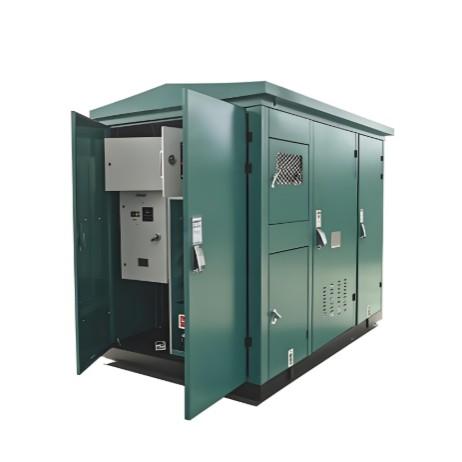
A substation bay refers to a complete and independently operable assembly of electrical equipment within a substation. It can be regarded as a fundamental unit of the substation’s electrical system, typically comprising circuit breakers, disconnectors (isolators), earthing switches, instrumentation, protective relays, and other associated devices.
The primary function of a substation bay is to receive electrical power from the power system into the substation and then deliver it to the required destinations. It is a critical component for the normal operation of a substation. Each substation contains multiple bays, with each bay operating independently and equipped with its own protection, control systems, and switching devices to enable sectionalized control and protection within the substation.
Generally, the number of bays in a substation depends on the requirements and capacity of the power system. Larger power systems require more bays to achieve more efficient sectionalized control and protection. The reliability and safety of substation bays play a vital role in ensuring the overall stability and security of the power system. Therefore, the design, manufacturing, and operation & maintenance of substation bays must comply with national standards and regulations to guarantee proper substation operation and enhance the reliability and safety of the power system.
Based on different equipment configurations and operating principles, substation bays can be classified into the following common types:
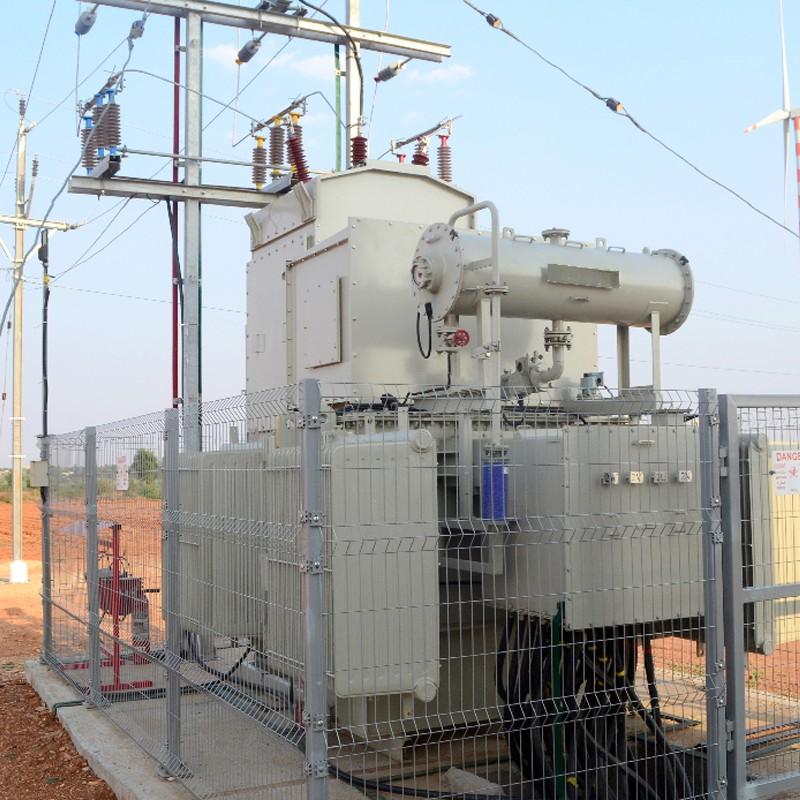
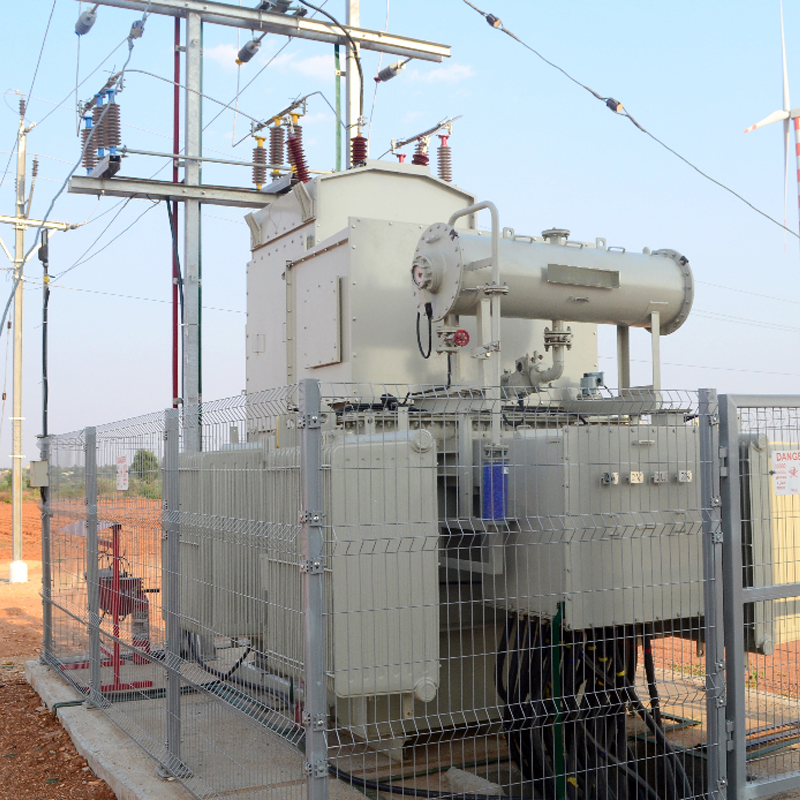
Oil-filled Substation Bays
Oil-filled bays are sealed electrical equipment enclosures filled with special insulating oil. They are primarily used in high-voltage, high-current transmission systems and effectively provide functions such as isolation, interruption, and insulation.Gas-Insulated Switchgear (GIS) Bays
GIS bays utilize gas-insulated electrical equipment technology, significantly reducing equipment size. These bays employ high-pressure SF6 gas for insulation and arc quenching, offering advantages such as compact size, light weight, and high power density. They are commonly used in urban areas, petrochemical plants, aerospace facilities, and other environments requiring high levels of protection and space efficiency.Vacuum-Type Substation Bays
Vacuum-type bays use vacuum interrupter technology, where switching and arc quenching are achieved within a high-vacuum environment. These bays contain no insulating gas, offering enhanced safety and are suitable for high-voltage applications (typically up to and beyond 12 kV) and high-current scenarios.Conductor-less Substation Bays
Conductor-less bays refer to bay configurations that use fiber-optic links for data transmission and control signaling instead of traditional metallic conductors. Such bays offer advantages including high safety, lightning immunity, and strong resistance to electromagnetic interference. They are also unaffected by extreme temperatures or corrosive environments.
The above are four common types of substation bays; however, other types may exist depending on specific application scenarios and system requirements.
The division of bays within a substation should be determined based on the substation’s functional requirements and the needs of the power system. Generally, bay segmentation can be approached from the following perspectives:
Functional Segmentation:
Bays can be categorized according to their roles—for example, main transformer bays, outgoing line bays, tie bays, busbar bays, coupling capacitor bays, and reactive power compensation bays. Functional segmentation enables rational layout and integration of equipment within the substation.Electrical Parameter-Based Segmentation:
Bays can also be classified by voltage level—such as high-voltage, medium-voltage, and low-voltage. Differences in electrical parameters affect safety, reliability, capacity, and impedance, which in turn influence equipment selection, installation, and commissioning.Spatial Layout Considerations:
Bay division must account for physical arrangement and spatial allocation. Bay dimensions and layout should be determined based on equipment type and specifications to ensure adequate ventilation, security, and ease of maintenance.Operation and Maintenance Considerations:
For operational convenience and maintenance efficiency, bays can be grouped by equipment type and function. Planning of interconnections and maintenance access pathways must also be incorporated into the design.
In summary, substation bay segmentation must take into account electrical parameters, equipment functionality, spatial layout, and operational/maintenance requirements to achieve optimal equipment integration and efficient substation performance.