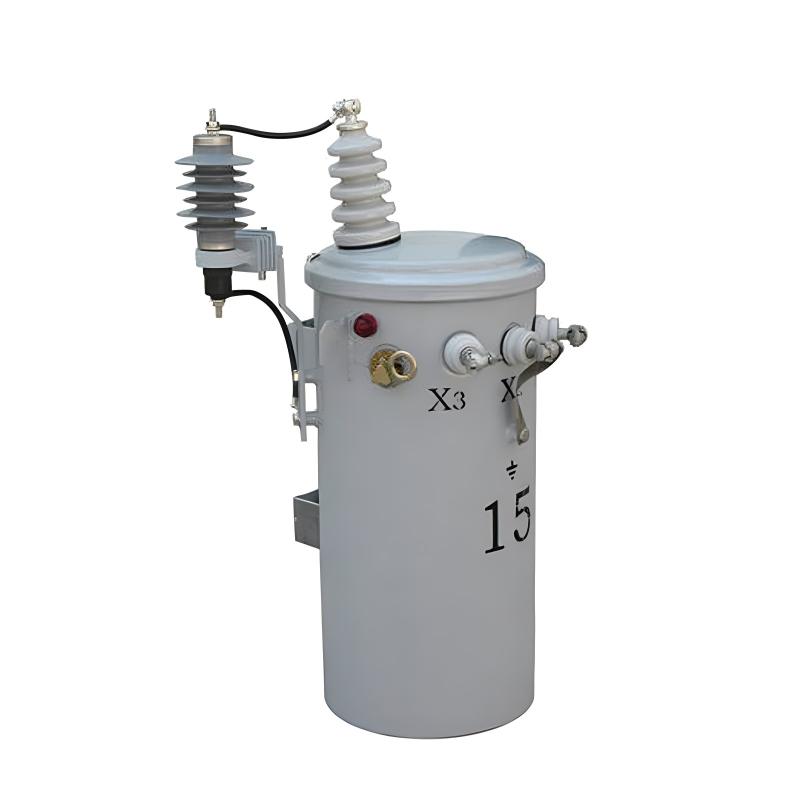
Ang mga karakteristikong datos sa mga distribution transformers ay ditadahan pinaagi sa mga pangangailhan sa network. Ang naka-ukoy nga kapangyarihan kailangan i-multiply sa power factor cosφ aron makakuha sa rated power Srt. Sa mga distribution networks, ang usa ka value nga uk = 6% kasagaran gipili.
Paggili sa mga Distribution Transformers para sa Pagsupply og Power sa LV Networks
Ang mga pagkawala sa transformer naglakip sa no - load losses ug short - circuit losses. Ang no - load losses gikan sa patulob nga reversal sa magnetization sa iron core ug permanenteng magliwat, independiente sa load. Ang short - circuit losses naglakip sa ohmic losses sa mga windings ug mga pagkawala gikan sa leakage fields, ug sila proportional sa square sa level sa load.
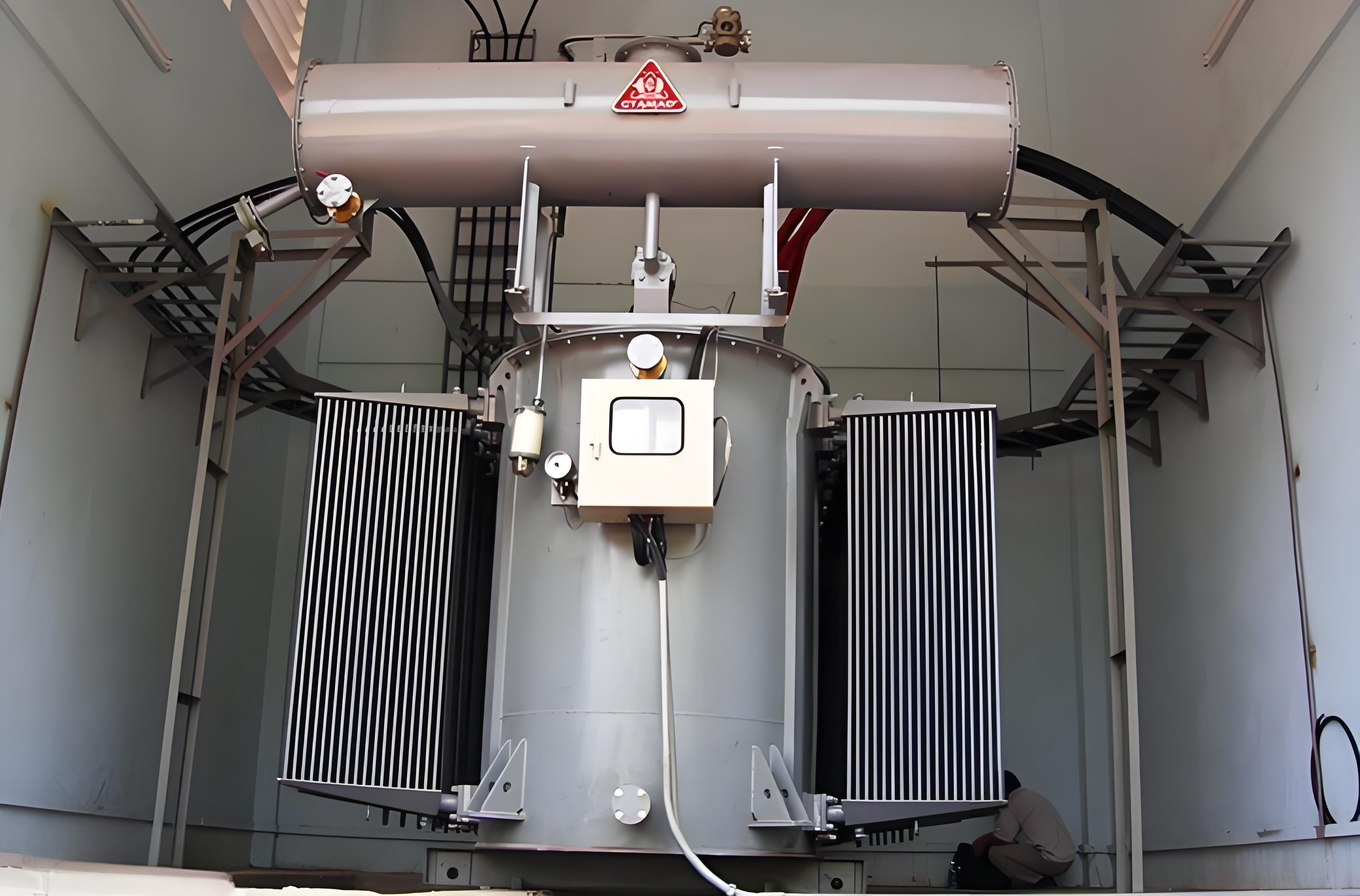
Ang mga pagkawala sa transformer gisusunod sa no - load losses ug short - circuit losses. Ang no - load losses gikan sa patulob nga reversal sa magnetization sa iron core. Kini nga mga pagkawala permanenteng magliwat ug walay epekto gikan sa load.
Sa uban, ang short - circuit losses naglakip sa ohmic losses sa mga windings ug mga pagkawala gikan sa leakage fields. Sila proportional sa square sa magnitude sa load.
Sa kahon nga technical article, ang key criteria sa pagpili sa mga distribution transformers sa 50 - 2500 kVA power range para sa powering low - voltage networks i-discuss.
Routine Tests: Kini naglakip sa mga butang sama sa losses, short - circuit voltage \(u_{k}\), ug voltage tests.
Type Testing: Kini naglakip sa mga test sama sa heating tests ug surge voltage tests.
Special Tests: Kini naglakip sa mga test sama sa short - circuit strength tests ug noise tests.
Short - Circuit Voltage: Pahibaloa sa iyaha nga specific values ug characteristics.
Connection Symbol / Vector Group: Pagmatud-an ang relevant information bahin sa connection symbols ug vector groups ( [Learn More](add the corresponding link here if there is one in the original text) ).
Transformation Ratio: Determine the parameters of the transformation ratio.
Interior and Outside Installation: Consider the installation scenarios of transformers, whether indoors or outdoors.
Special Local Conditions: Take note of the influence of special local conditions.
Environmental Protection Conditions: Comply with corresponding environmental protection requirements.
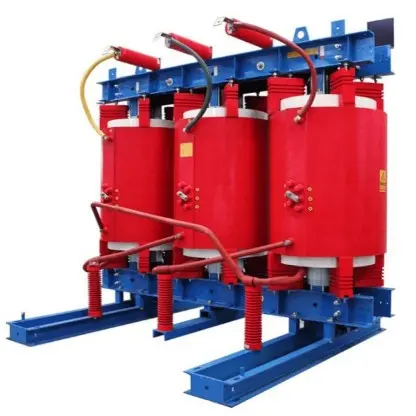
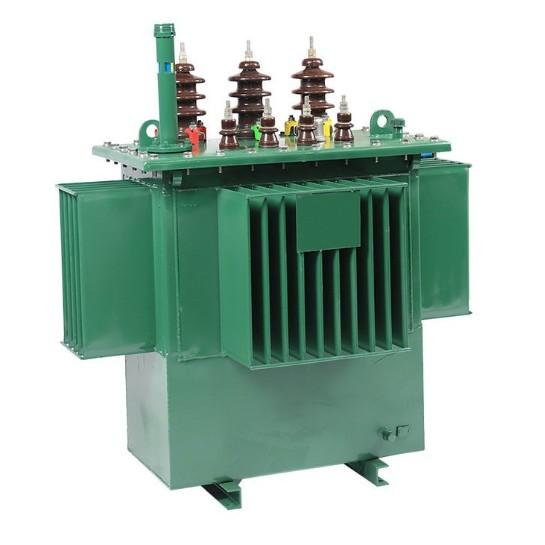
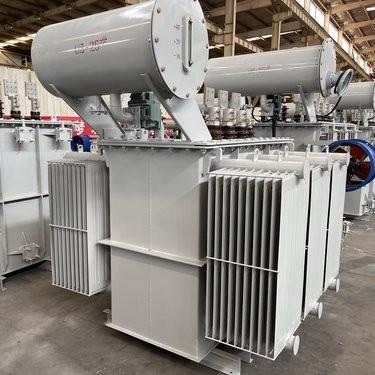
Designs: Choose between oil - immersed or resin - cast dry - type transformers.
Loading Capacity: For oil - immersed or resin - cast dry - type transformers, consider their load - bearing capabilities.
Load Fluctuations: Pay attention to the situation of load fluctuations.
Number of Hours in Operation: Take into account the operating duration of transformers.
Efficiency: Focus on the efficiency of oil - immersed or resin - cast dry - type transformers.
Voltage Regulation: Attach importance to the voltage regulation capabilities.
Parallel Transformer Operation: Learn about the relevant situations of parallel transformer operation ( [Learn More](add the corresponding link here if there is one in the original text) ).
Rated Power:SrT = 1000kVA
Rated Voltage: UrOS=20 kV
Lower - side Voltage: UrUS=0.4 kV
Rated Lightning Impulse Withstand Voltage: UrB=125 kV
Loss Combination
No - load Losses: P0=1700 W
Short - circuit Losses: Pk=13000 W
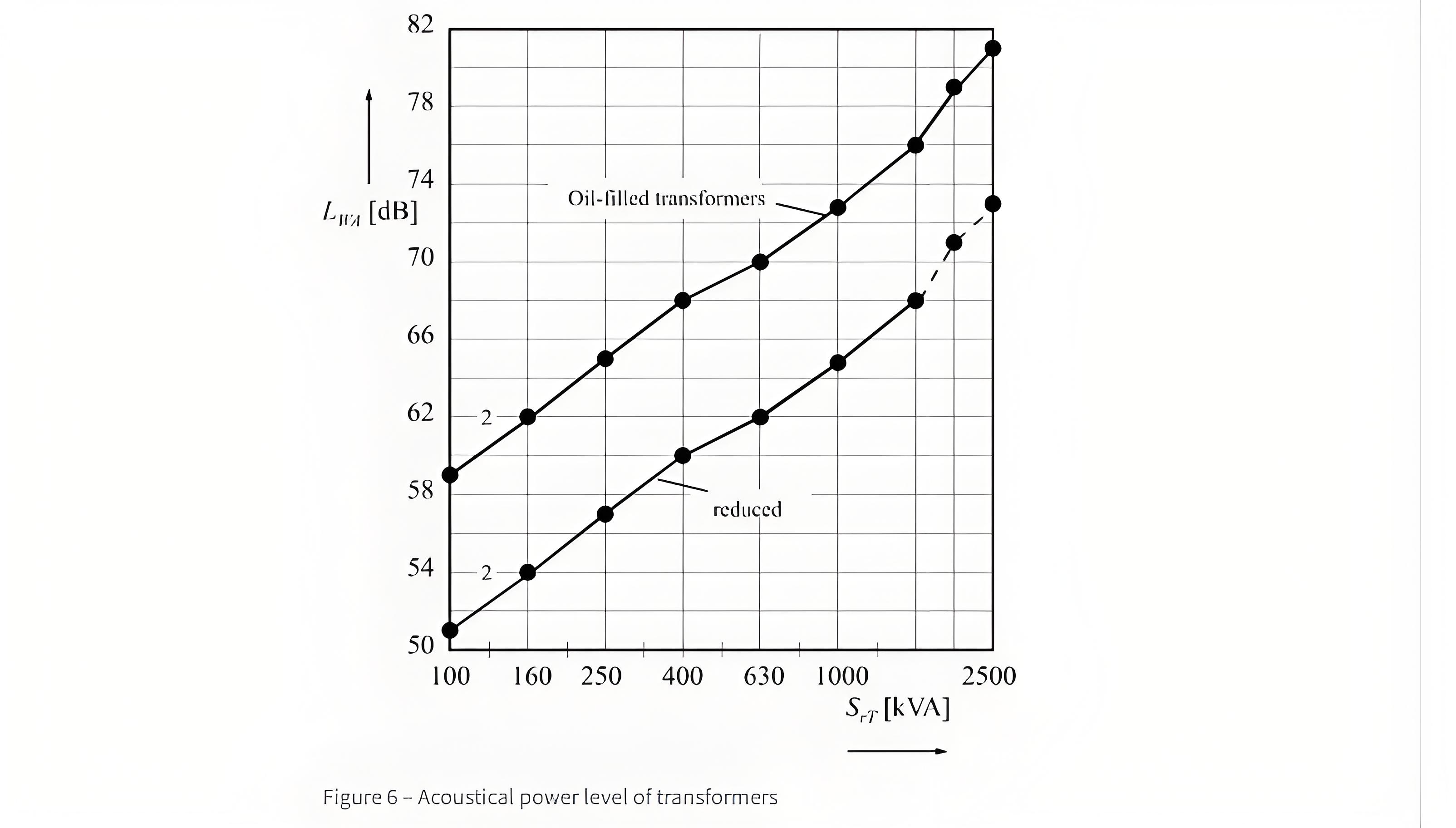
Acoustical Power: LWA=73 dB
Short - circuit Voltage: uk=6%
Transformation Ratio: PV/SV=20 kV/0.4 kV
Connection Symbol: Dyn5
Termination Systems: For example, lower - voltage and upper - voltage side flange systems
Installation Location: Whether indoor or outdoor
a) With less than 1000 liters of liquid dielectric
b) With more than 1000 liters of liquid dielectric
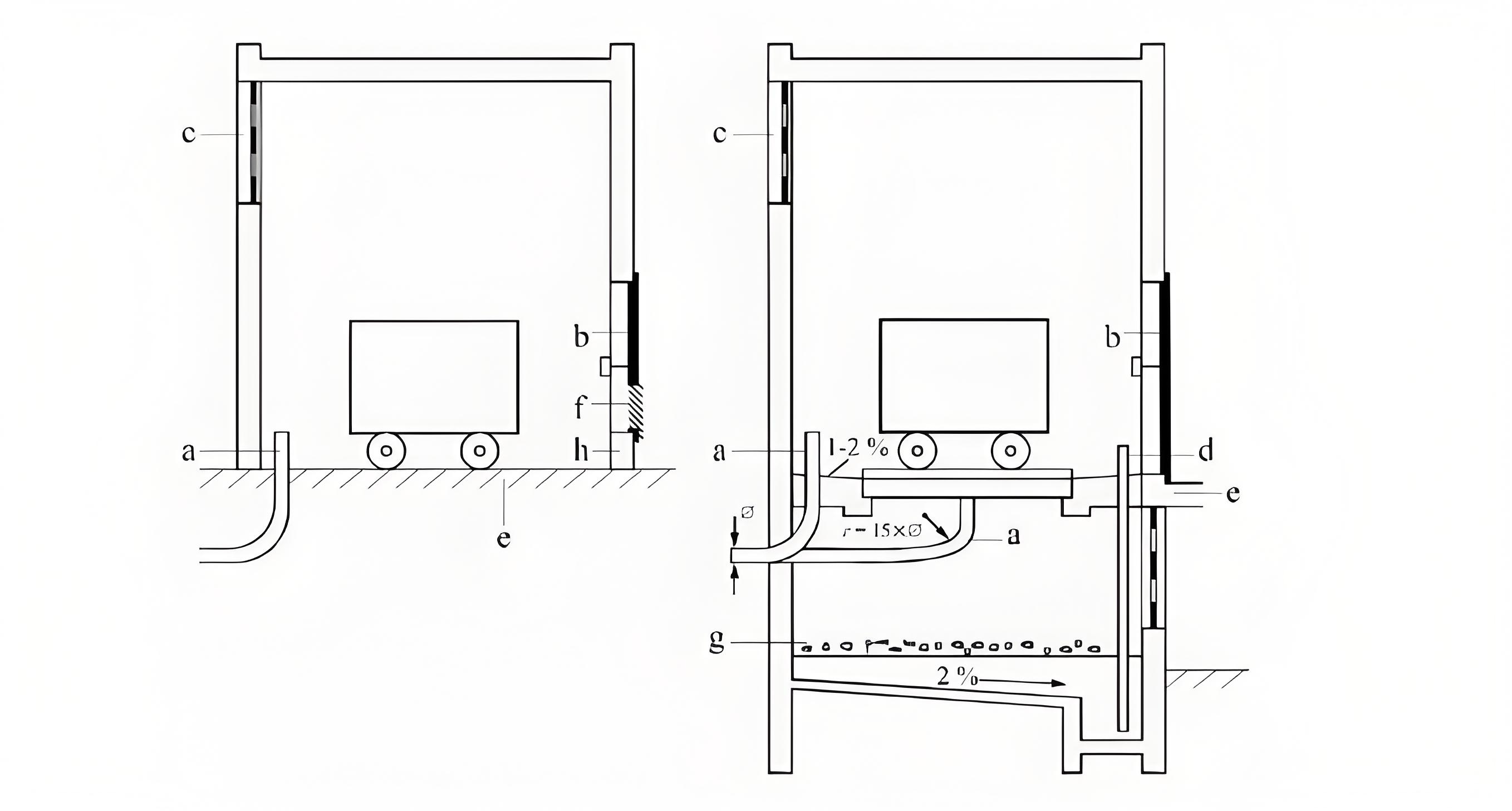
a. Cable conduit
b. Zinc - plated flat steel grate
c. Exhaust opening with protective grate
d. Unscrewed conduit with pump
e. Ramp
f. Air intake opening with protective grate
g. Gravel or crushed rock layer
h. Ledge
Ang pag-install sa mga transformers kinahanglan protektahan gikan sa groundwater ug flooding. Ang cooling system kinahanglan shield gikan sa sunlight. Ang fire protection measures ug environmental compatibility usab kinahanglan sigurado. Figure 1 nagpakita og transformer nga adunay oil filling nga less than 1000 liters. Sa kaso niini, sufficient ang impermeable floor.
Para sa oil filling nga mas dako pa sa 1000 liters, obligatorio ang oil-collecting troughs o oil sumps.
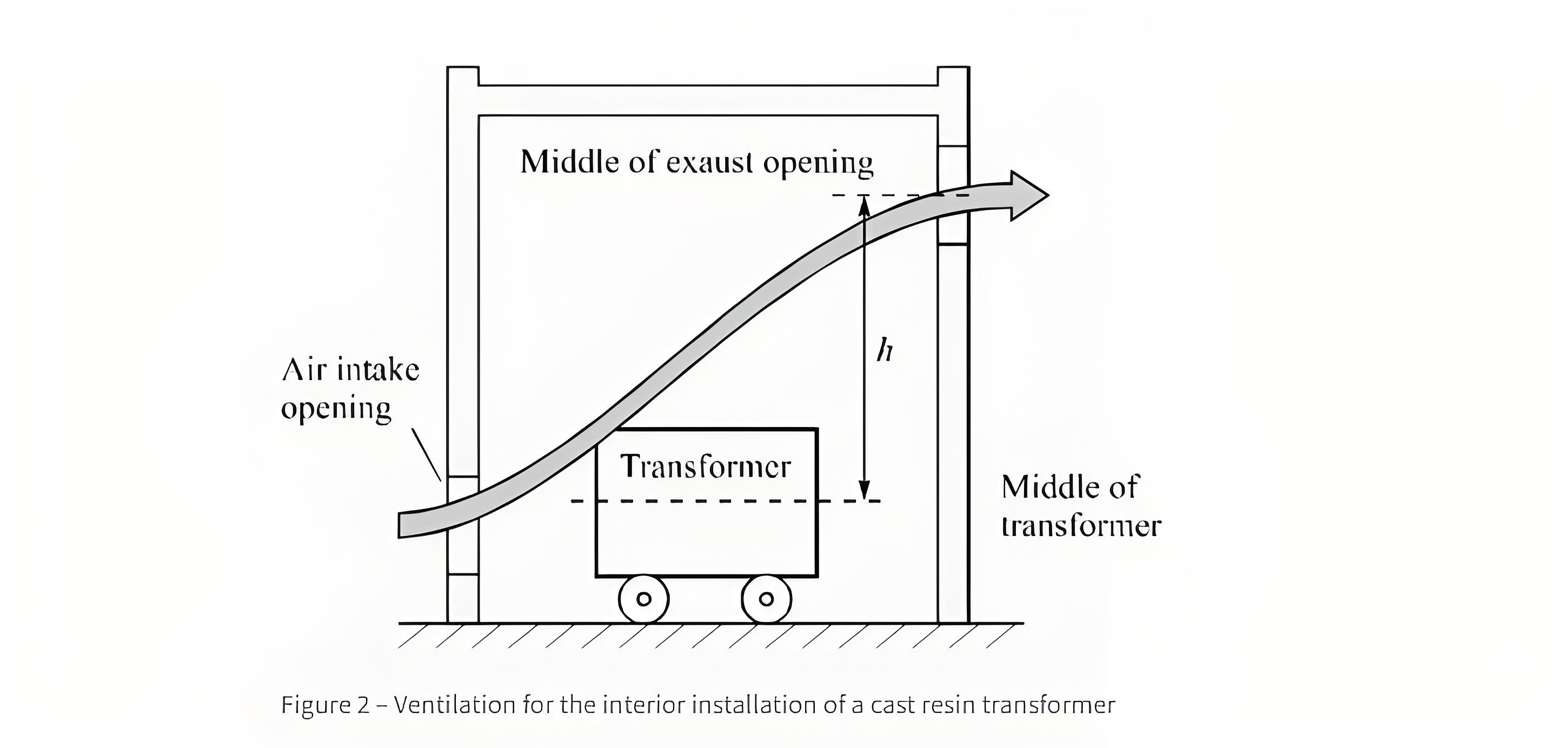
Ang gidako sa exhaust opening gitrayo ania nga walay grate sa Figure 2 para sa room heating nga 15 K.

PV=P0+k×Pk75 [kW]
Symbol Definitions:
A: Air exhaust and intake openings
P{V: Transformer power loss
k = 1.06 for oil - filled transformers
k = 1.2 for cast resin transformers
Po: No - load losses
Pk75: Short - circuit losses at (75^{\circ}\) Celsius, in kilowatts
h: Height difference, in meters
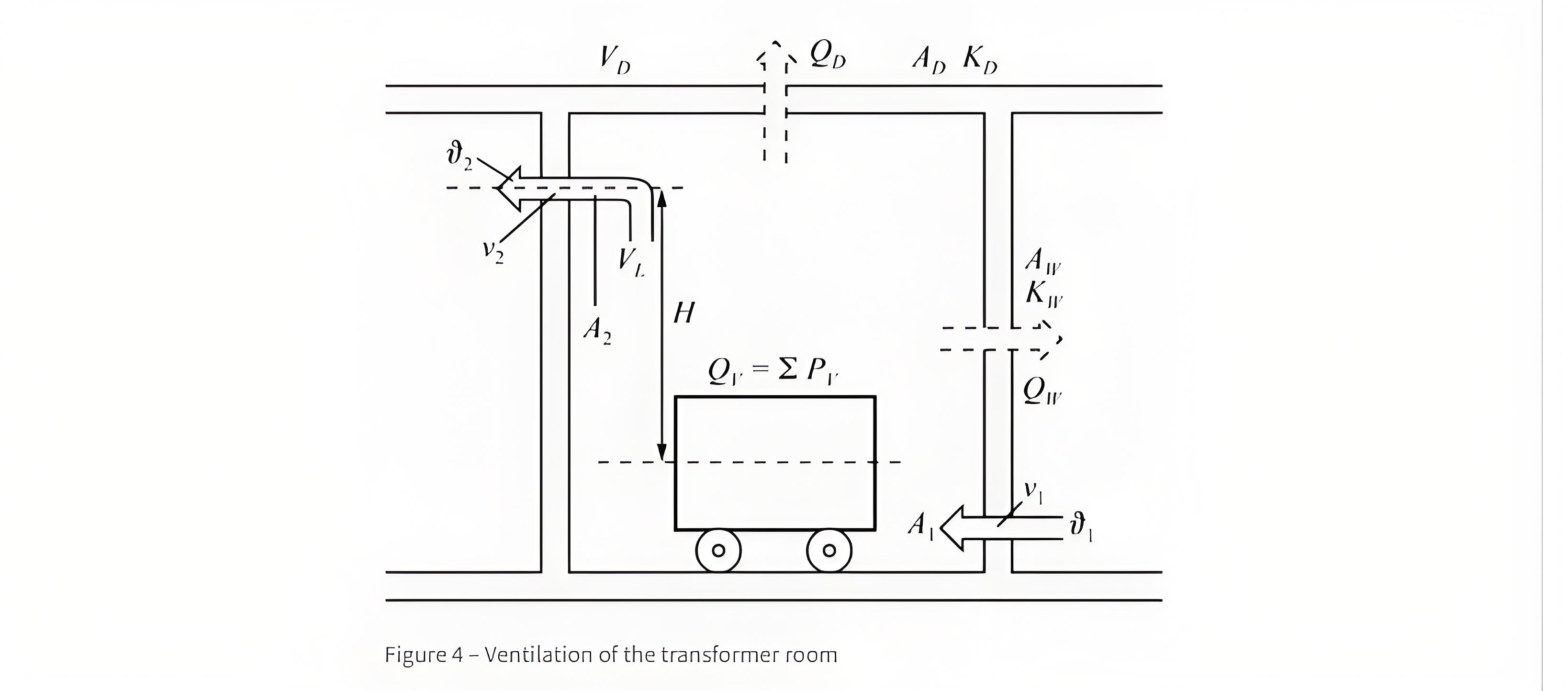
Ang heat losses nga gihimo samtang nag-operate ang transformer (Figure 4) kinahanglan i-dissipate. Kon natural ventilation dili mahimong gamiton tungod sa installation conditions, importante ang pag-install og fan. Ang maximum allowable overall temperature sa transformer mao ang 40°C.
Ang overall losses sa transformer room gigamit pinaagi sa Qloss=∑Ploss, diin:
Ploss=P0+1.2×Pk75×(SAF/SAN)2
Ang total losses gisusunod sa Qv=Qloss1+Qloss2+Qloss3
Heat Dissipated by Natural Air Convection: Qloss1=0.098×A1.2×sqrtHΔuL3
Heat Dissipated by Forced Air Convection (see Figure 3): Qloss3=VL×CpL×ρ
Heat Dissipated through Walls and Ceiling (see Figure 4):Qloss2=0.7×AW×KW×ΔuW+AD×KD×ΔuD
Pv: Transformer power loss in kW
Qv: Total heat dissipation in kW
QW,D: Heat dissipation through walls and ceiling in kW
AW,D: Area of walls and ceiling in \(m^2\)
KW,D: Heat transfer coefficient in \(kW/m^2K\)
SAF: Power for cooling type AF in kVA
SAN: Power for cooling type AN in kVA
VL: Air flow rate in \(m^3/s\) or \(m^3/h\)
Qv1: Part of heat dissipated by natural air convection in kW
Qv2: Part of heat dissipated through walls and ceiling in kW
Qv3: Part of heat dissipated by forced air convection in kW
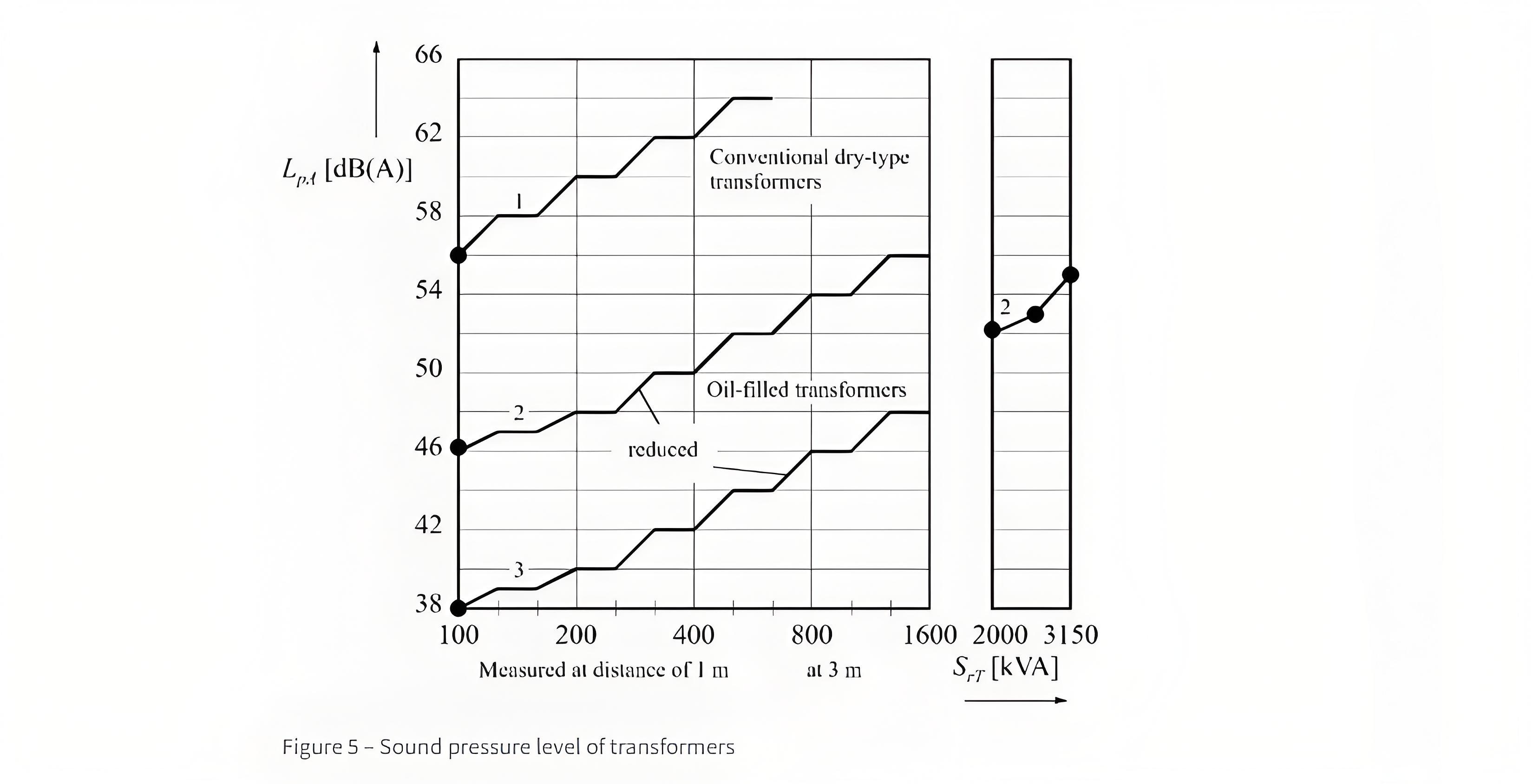
Figure 5 nagpakita sa noise levels sa iba't ibang transformers batasan IEC Publication 551. Ang magnetic noise gikan sa oscillations sa iron core (induction - dependent) ug nakasalig sa material properties sa core laminations.
Ang acoustical power (Figure 6) mao ang sukol sa noise level nga giproduce sa acoustical source.