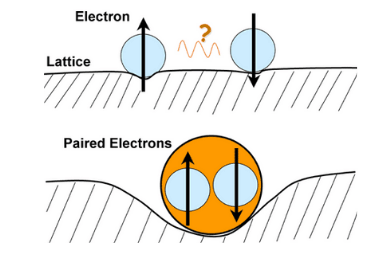
The superconducting material shows some extraordinary properties which make them very important for modern technology. The research is still going on to understand and utilise these extraordinary properties of superconductors in various fields of technology. Such properties of superconductors are listed below- ZeroElectric Resistance(Infinite Conductivity) Meissner Effect: Expulsion ofmagnetic field Critical Temperature/Transition Temperature Critical Magnetic Field Persistent Currents Josephson
03/14/2024
Consult
Tip
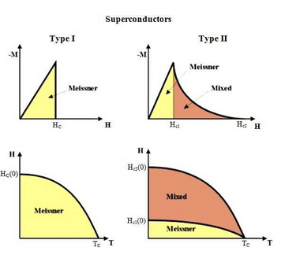
Based on the behavior and properties of Superconductors, these are classified into two categories-(1) Type – I Superconductors: Low Temperature Superconductors.(2) Type – II Superconductors: High Temperature Superconductors.td{width:49%}Type – I and Type – II superconductors slightly different in their behavior and properties. The comparison of type-I and type – II superconductors is shown in the table below Type – I Superconductors Type – II Superconductors Low critical temperature
03/14/2024
Consult
Tip
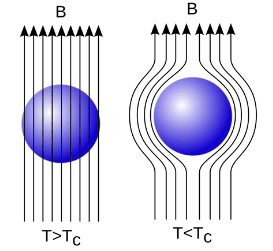
When Superconductors, are cooled below the critical temperature, they expel magnetic field and do not allow the magnetic field to penetrate inside them. This phenomenon in superconductors is called Meissner effect. This phenomenon was discovered by German physicists “Walther Meissner” and “Robert Ochsenfeld” in 1933. During an experiment, they measured the magnetic field outside the superconducting Tin and Lead samples. They observed that when the sample got cooled below the transition (critical
03/14/2024
Consult
Tip






