| Marca | ROCKWILL |
| Serie | JDS |
Product Overview
As a pioneer and the first dedicated original equipment manufacturer (OEM) in China's neutral grounding transformer industry, we have laid the original benchmark for the industry's development with our profound technical strength accumulated through decades of intensive cultivation. From the independent R&D of core technologies to large-scale mass production, we have built a full-process independently controllable system. Relying on our stable and leading product performance and unparalleled reliability, we have become a preferred partner in the field of power grid construction.
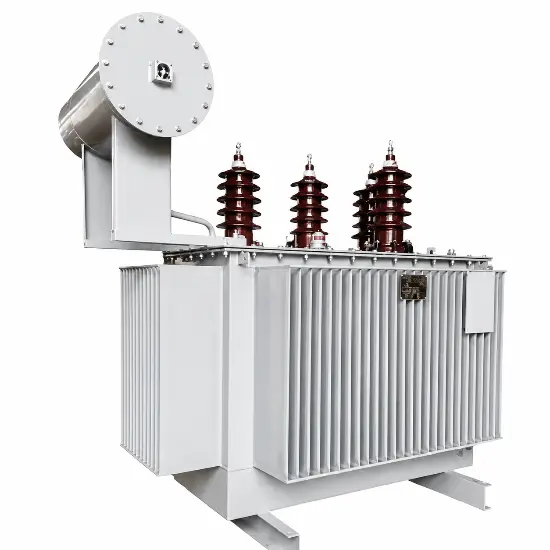
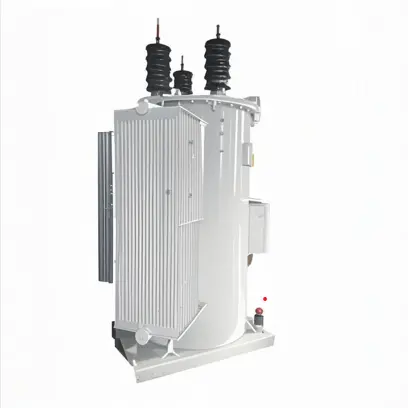
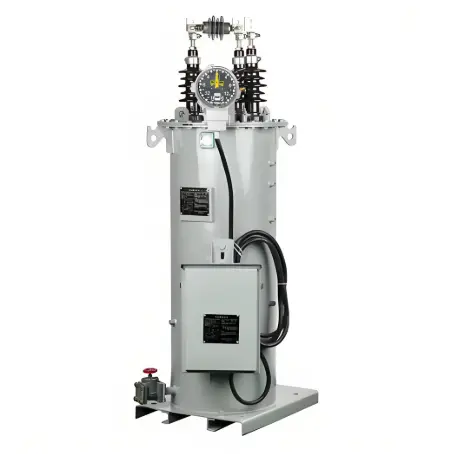
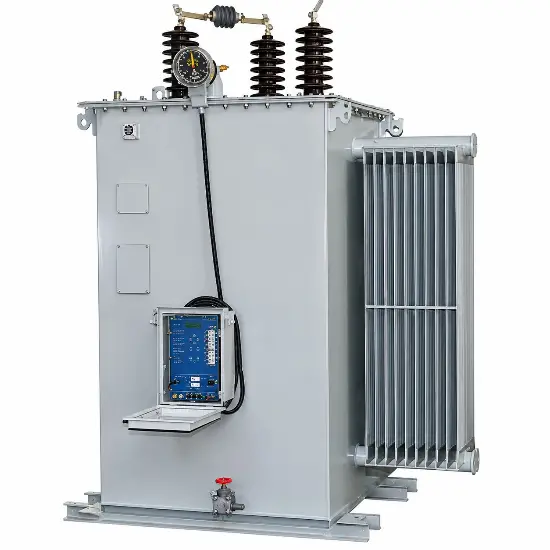
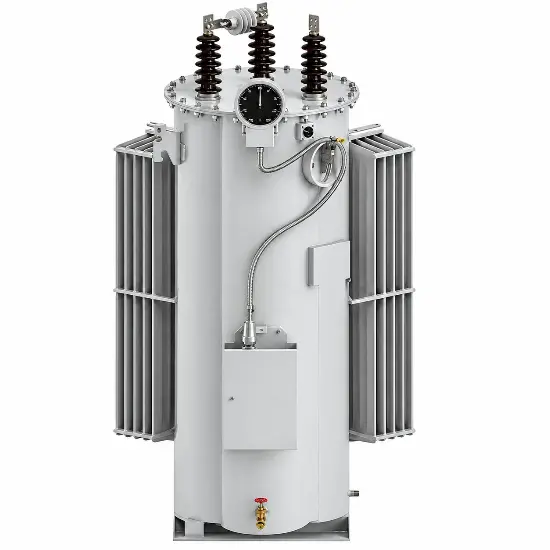
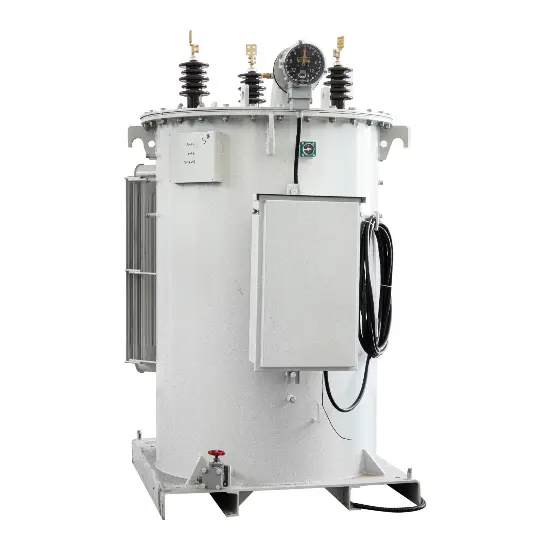
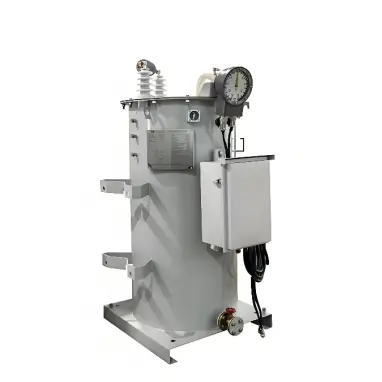
Rockwill delivers reliable and high-performance earthing transformers designed for 66kV power systems. Our oil-immersed transformers are engineered to provide stable neutral grounding solutions while ensuring operational safety and system protection. Manufactured in compliance with international standards including IEC and GB, these transformers incorporate premium materials and rigorous quality control throughout production.
Basic Info.
Some of these earthing transformers cover voltage levels including:3.3kV / 6kV / 11kV / 15kV / 20kV / 22kV / 30kV / 33kV / 34.5kV / 36kV / 44kV / 66kV / 88kV / 110kV / 132kV / 145kV / 150kV / 220kV / 275kV / 330kV / 400kV, etc. The current withstand time ranges from 1s, 2s, 3s, 5s, 6s, 8s, 9s, 10s, 30s, 60s, 1hour to 2hours, and customization is available.
Parameter |
Detail |
Parameter |
Details |
Cooling Method |
Oil-Immersed Type Transformer |
Core |
Core-type Transformer |
Certification |
ISO9001 |
Usage |
Power Transformer |
Frequency Characteristics |
Power Frequency |
Shape of Core |
Ring |
Brand |
Rockwill |
Item |
3 Phase Oil Type Earthing 6kv Power Transformer |
Primary Voltage |
66kv |
Secondary Voltage |
0.4kv |
Rating Capacity |
350kVA |
Transformer |
66kv Power Transformer |
Iron Core |
Wounded Core |
Coil Structure |
Isolation |
Loss |
Low Losses |
Tank Design |
Sealed |
Specification |
CTQC type tested |
Transport Package |
Wooden Case |
Origin |
Zhejiang China |
Trademark |
Rockwill |
Key Features
Voltage Class: 66kV system voltage (200 BIL)
Capacity Range: Standard units from 100kVA to 10,000kVA
Winding Configuration: Optimized zigzag (ZNyn) design
Cooling System: ONAN/OFAF cooling options
Insulation: Mineral oil or synthetic ester fluid
Construction:
Corrugated tank or radiator cooling
Hermetically sealed or conservator tank options
CRGO silicon steel core
Copper/aluminum windings
Technical Advantages
Enhanced Safety: Built-in Buchholz relay and pressure relief device
Low Impedance: Zero-sequence impedance <15Ω for effective fault current management
Durability: Corrosion-resistant paint system for outdoor installations
Efficiency: Reduced no-load losses through optimized core design
Flexibility: Off-circuit tap changer (±5% in 2.5% Steps)
Typical Applications
Utility Networks:
Neutral grounding for 66kV transmission systems
Arc suppression coil connections
Resistance grounding systems
Industrial Plants:
Petrochemical facilities
Mining operations
Steel manufacturing plants
Renewable Energy:
Wind farm collector stations
Solar PV substations
Hydroelectric plants
Performance Specifications
Temperature Range: -30°C to +40°C Ambient
Humidity: ≤95% Monthly Average
Altitude: Up to 2000m ASL
Sound Level: ≤75dB at 1m
Efficiency: ≥99.2% at Full Load
Testing Protocol
All units undergo comprehensive testing including:
Zero sequence impedance measurement
Induced overvoltage test (260Hz)
Lightning impulse test (350kV)
Temperature rise test (65K max.)
Oil dielectric strength test (≥50kV)
Service Conditions
Suitable for indoor/outdoor installation
Wind resistant up to 35m/s
Non-explosive environments
Seismic capability: 0.3g horizontal acceleration
Application Fields
66kV/88kV/110kV/132kV Power Distribution Network Construction
New Energy Power Plants (e.g., Wind Power/Photovoltaic)
Power Distribution Stations in Large Industrial Parks
Railway Traction Power Supply Systems
Urban Power Grid Upgrading and Renovation Projects
High-Voltage Power Supply Systems for Industrial and Mining Enterprises
Grounding Protection Projects of Regional Substations
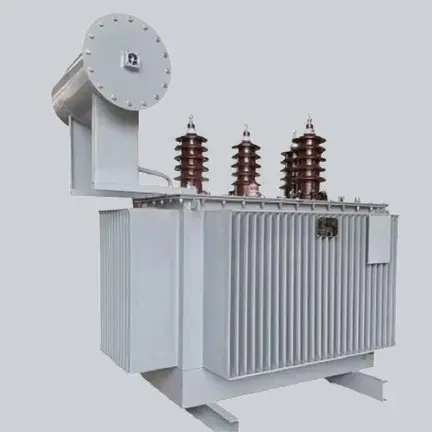
Un trasformatore di terra è un tipo speciale di trasformatore che crea artificialmente un punto neutro per sistemi elettrici non collegati a terra o con corrente di terra bassa. Costruisce un circuito di terra attraverso una specifica configurazione di avvolgimento, con due funzioni principali: prima, fornire un percorso a bassa impedenza per la corrente di sequenza zero nel sistema, assicurando che la corrente di guasto raggiunga la soglia operativa del dispositivo di protezione quando si verifica un guasto monofase, permettendo una rapida localizzazione e isolamento del guasto; seconda, mantenere l'equilibrio della tensione del sistema, limitare l'aumento eccessivo della tensione delle fasi non in guasto durante i guasti, e proteggere la sicurezza dell'isolamento delle attrezzature della rete elettrica. A differenza dei trasformatori di potenza comuni, la sua funzione principale è "costruire un circuito di terra" piuttosto che "trasformare la tensione", ed è solitamente progettato in base alla capacità di carico a breve termine invece che alla capacità di funzionamento continuo.
Le differenze tra i due derivano dalla differenza essenziale nella posizione funzionale, specificamente riflessa in tre aspetti: ① Funzioni centrali diverse: i trasformatori di potenza ordinari si concentrano sulla trasformazione di tensione e la trasmissione di energia, mentre i trasformatori di raccordo a terra si concentrano sulla costruzione di punti neutrali e la fornitura di percorsi per le correnti di guasto; ② Calibrazione della capacità diversa: i trasformatori di potenza ordinari sono contrassegnati con la capacità di funzionamento continuo (capacità di carico a lungo termine), mentre i trasformatori di raccordo a terra sono contrassegnati con la capacità nominale a breve termine (capacità che può essere sostenuta entro un tempo specificato in base alla corrente di guasto e al tempo di resistenza, ad esempio 30 secondi); ③ Progetti di avvolgimento diversi: i trasformatori di raccordo a terra adottano principalmente strutture di avvolgimento speciali come lo zigzag (ZN), mentre i trasformatori di potenza ordinari utilizzano principalmente avvolgimenti convenzionali come stella e triangolo, e i trasformatori di raccordo a terra generalmente non hanno un rapporto di trasformazione di tensione tradizionale.








 Accesso