| Brand | ROCKWILL |
| Series | RHD |
| Rated maximum voltage | 245/252kV |
| Rated maximum current | 3150~5000A |
| Rated frequency | 50/60Hz |
| Lightning impulse withstand voltage | 1050/1200kV |
| Rated short-circuit breaking current | 40~63kA |
Description:
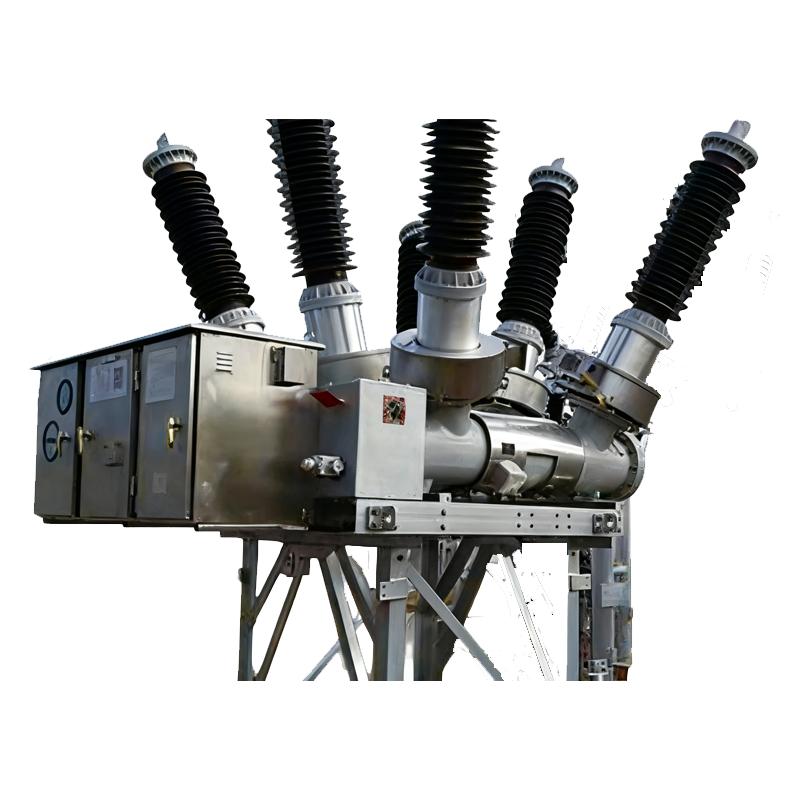
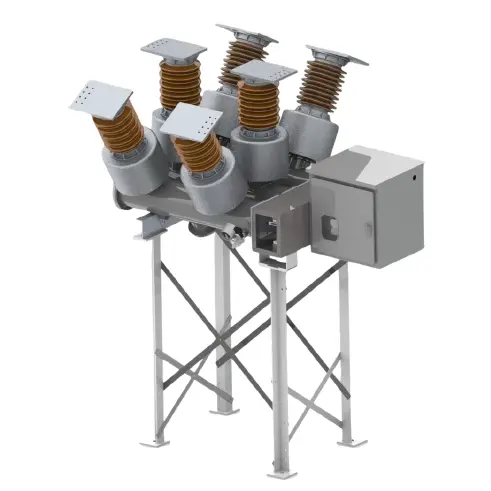
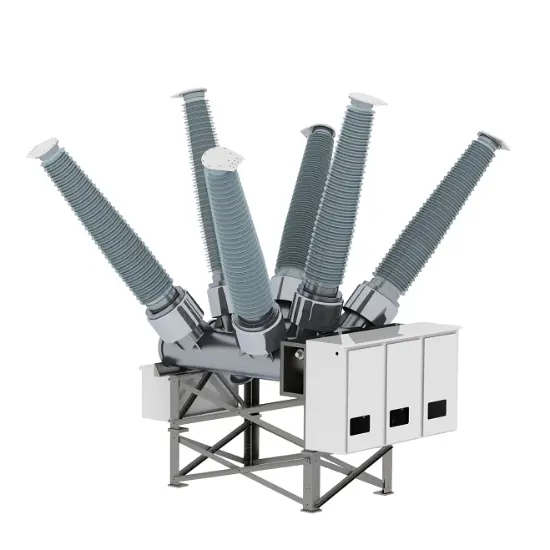
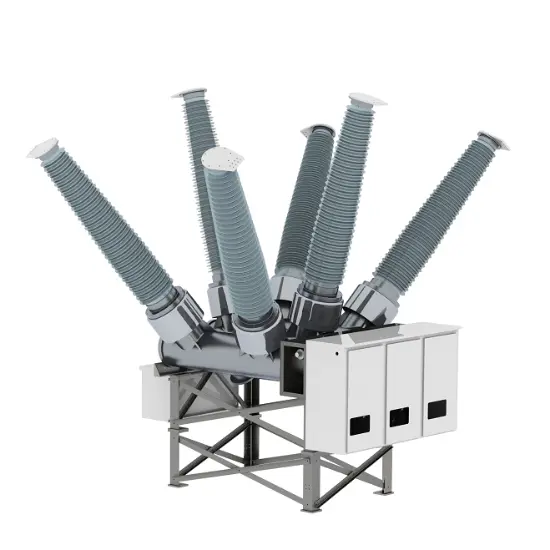
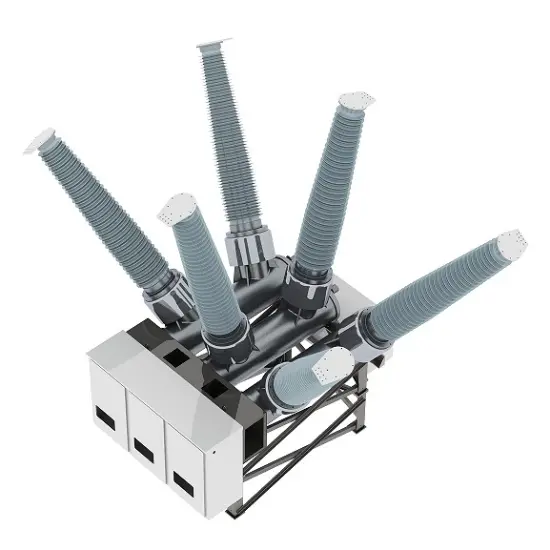
We are the pioneer in China's GIS tank circuit breaker industry and the country's first source factory specializing exclusively in this field.LW55 Series of SF6 Dead Tank Circuit Breaker, including LW55-252, LW55-363, LW55-550 and LW55-800, are used for making and breaking normal current, fault current and switching lines to realize the control, measurement and protection of power system.
With the advantages of excellent breaking performance, reliable mechanical properties, advanced tightness technology, high design parameters, the whole structure of circuit breaker is compact, with stable and reliable performance and long endurance.
Main Features:
The circuit breaker is of strong breaking capacity, long electrical endurance.
LW55 Series have excellent antiseismic and antipollution capacities, which make it suitable for those polluted places and higher elevation areas.
The oil pressure in hydraulic mechanism is automatic controlled and it can’t be affected by the temperature.
There are almost no external pipe for this new type of hydraulic operating mechanism, the possibility of oil leakage is reduced.
Technical Parameters:
Among these, some SF6 tank circuit breakers cover non-standard voltage levels including 138kV, 225kV, 230kV, 245kV, 275kV, 300kV 330kV, 345kV, 400kV, 756kV, and 800kV with a rated short-circuit breaking current of 50kA or 63kA, and we offer customization services.
Specifications |
unit |
value |
||||
Rated voltage |
kV |
252kV |
363kV |
550kV |
800kV |
|
Rated current |
A |
4000A |
5000A |
|||
Rated frequency |
Hz |
50/60 |
||||
Rated short-time withstand current (r.m.s) |
kA |
50 |
||||
Rated peak withstand current |
kA |
125 |
||||
1min power frequency withstand voltage (r.m.s) |
To earth/Between phases |
kV |
460 |
510 |
740 |
960 |
Across isolating distance |
460 + (154) |
510 + (210) |
740 + (315) |
960 + (460) |
||
Lightning impulse withstand voltage (peak) |
To earth/Between phases |
kV |
1050 |
1175 |
1675 |
2100 |
Across isolating distance |
1050 + (200) |
1175 + (295) |
1675 + (450) |
2100 + (650) |
||
Rated operating impulse withstand voltage (peak) |
To earth/Between phases |
kV |
950 |
1300 |
1550 |
|
Across isolating distance |
850 + (295) |
1175 + (450) |
1300 + (650) |
|||
Rated SF6 gas pressure (20℃) |
MPa |
0.6 |
||||
Rated SF6 annual leakage |
% |
≤0.5 |
||||
The interrupter is typically installed inside the tank, resulting in a highly compact overall structure that enables efficient arc quenching within a limited space. Depending on the arc extinguishing principle and technical approach, the specific configuration of the interrupter may vary, but all designs include core components such as moving/stationary contacts, a nozzle, and insulating parts. During opening operation to interrupt the current, these components work together to achieve fast and reliable extinction of the arc.
The leakage rate of SF₆ gas must be controlled at an extremely low level, typically not exceeding 1% per year. SF₆ gas is a potent greenhouse gas, with a greenhouse effect 23,900 times that of carbon dioxide. If a leak occurs, it can not only cause environmental pollution but also lead to a decrease in the gas pressure within the arc quenching chamber, affecting the performance and reliability of the circuit breaker.
To monitor the leakage of SF₆ gas, gas leakage detection devices are typically installed on tank-type circuit breakers. These devices help to promptly identify any leaks so that appropriate measures can be taken to address the issue.
During the normal operation and interruption processes of a circuit breaker, SF₆ gas can decompose, producing various decomposition products such as SF₄, S₂F₂, SOF₂, HF, and SO₂. These decomposition products are often corrosive, toxic, or irritating, and therefore require monitoring.If the concentration of these decomposition products exceeds certain limits, it may indicate abnormal discharges or other faults within the arc quenching chamber. Timely maintenance and handling are necessary to prevent further damage to the equipment and to safeguard personnel health.








 Login
Login