| Brand | ROCKWILL |
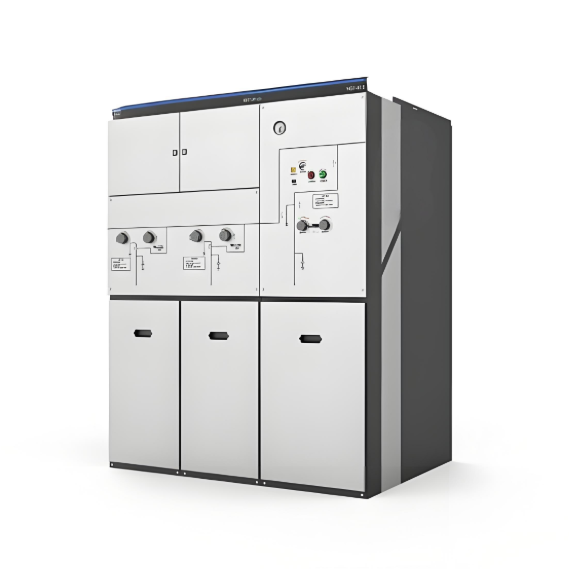
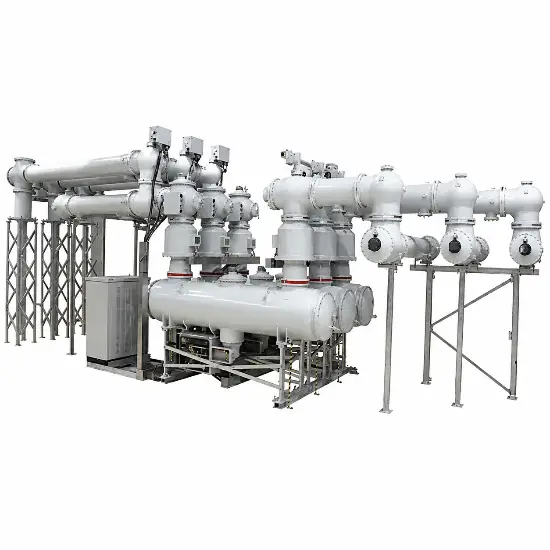
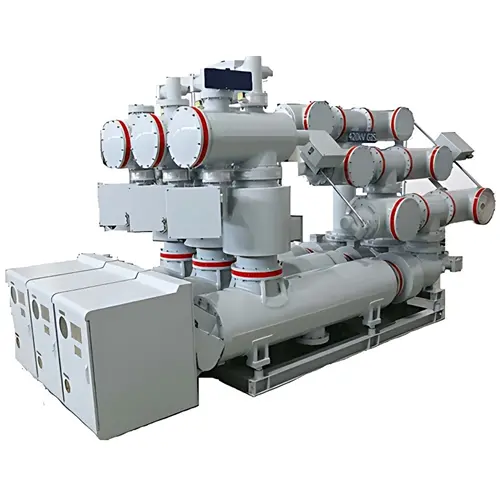
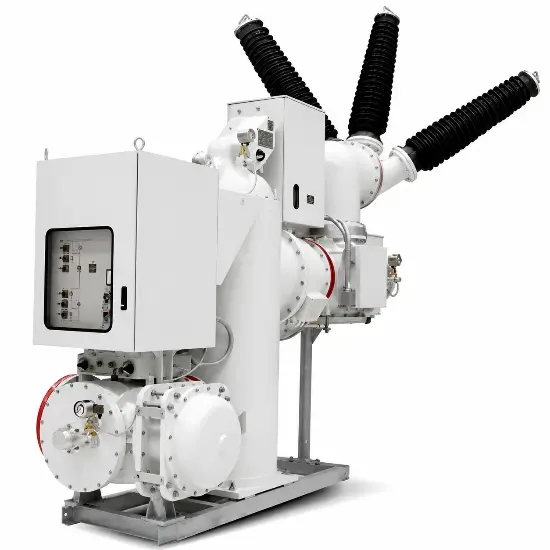
| Model NO. | HV Gas insulation switchgear (GIS) for transmission-72.5kV 126kV 145kV |
| Rated voltage | 145kV |
| Rated normal current | 3150A |
| Rated frequency | 50/60Hz |
| Rated peak value withstand current | 104kA |
| Rated short-time withstand current | 40kA |
| Series | ZHW |
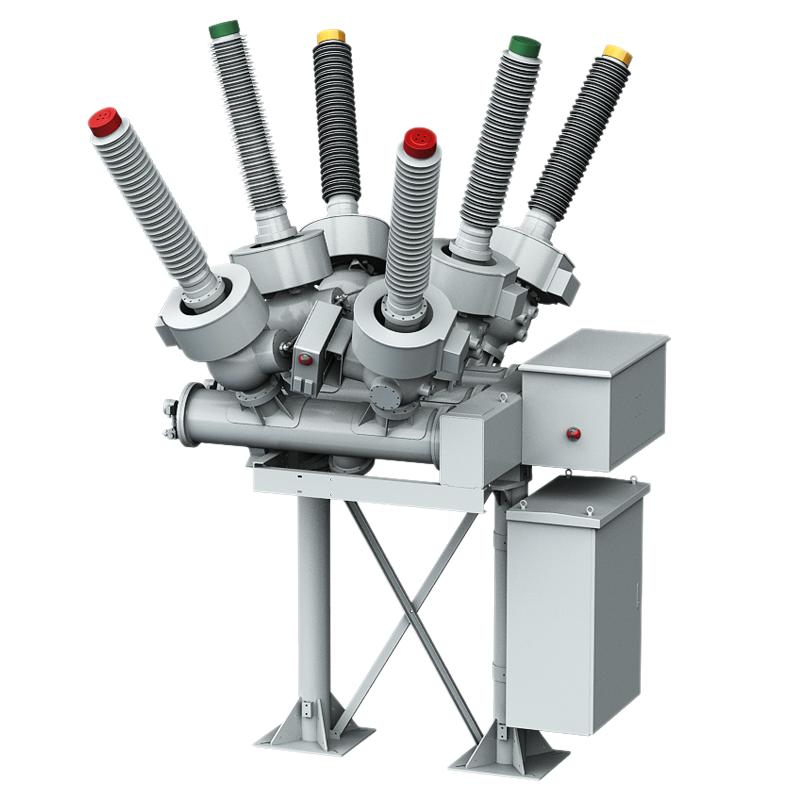
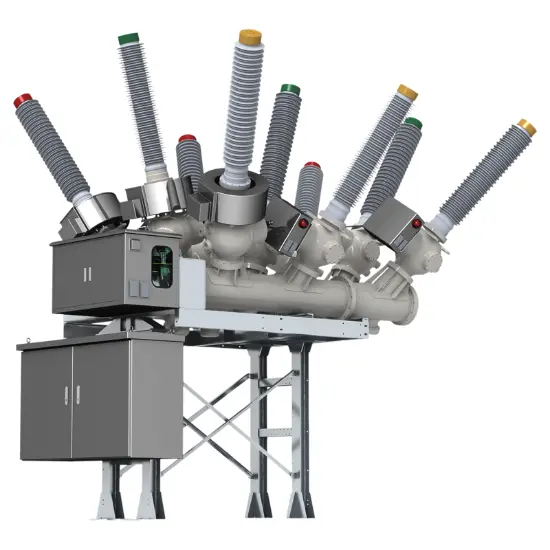
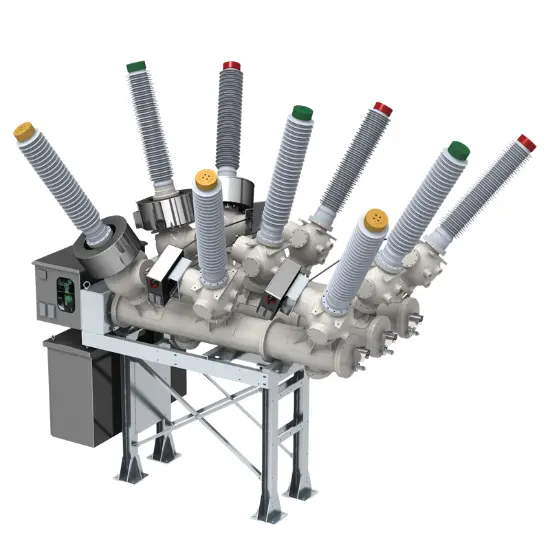
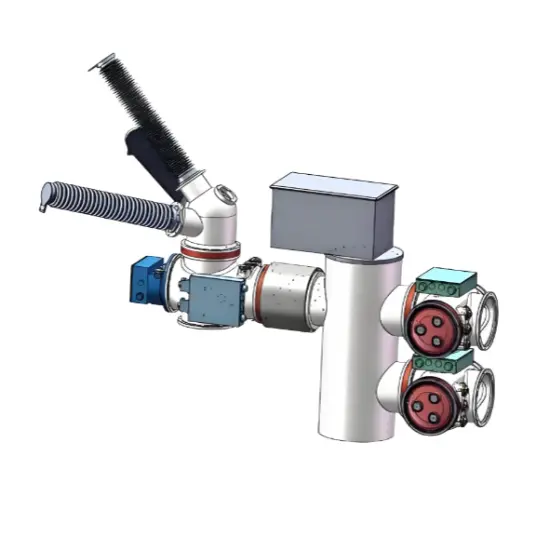
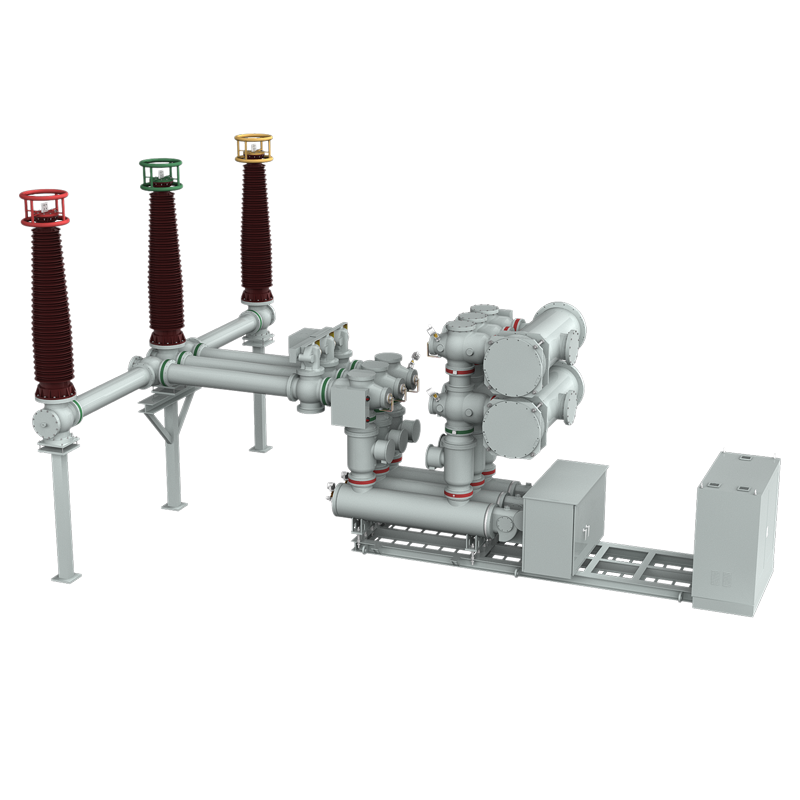
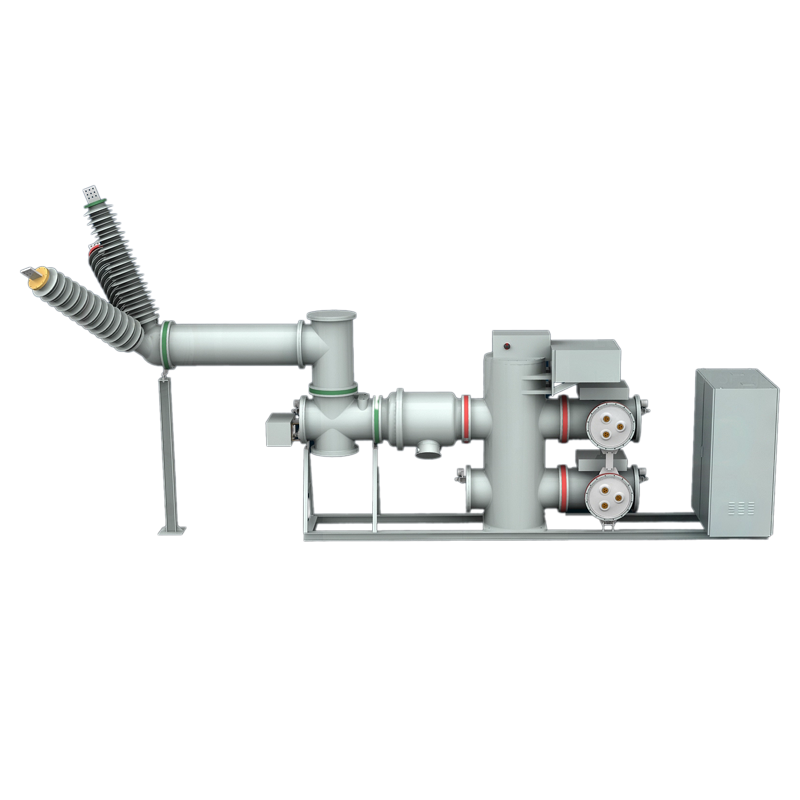
ZHW-145(H) 145kV HGIS is designed for power transmission and distribution. It saves 60–70% floor area vs. AIS substations. The equipment ships as pre-assembled, factory-tested bay units; on-site installation takes ≤10 hours per bay. The horizontal circuit breaker with low center of gravity provides excellent seismic performance (passes AG5/ACS test). Replacement of a single bay takes ≤4 hours. Lower full-lifecycle cost compared to GIS and AIS.
| No. | Item | Unit | Parameter Value |
|---|---|---|---|
| 1 | Rated Voltage | kV | 72.5, 126, 145 |
| 2 | Rated Current | A | 2000 / 3150 |
| 3 | Frequency | Hz | 50 / 60 |
| 4 | Power Frequency Voltage Test (Phase to Ground / Across Isolating Distance, kV / 1min) | kV | 140 / 160, 230 /265, 275 / 315 |
| 5 | Peak Value of Lightning Impulse Withstand Voltage (1.2/50µs) (Phase to Ground / Across Isolating Distance) | kV | 325 / 375, 550 / 630, 650 / 750 |
| 6 | Rated Short-time Withstand Current (Time) | kA/s | 40 / 3 |
| 7 | Rated Peak Withstand Current | kA | 100 / 104 |
| 8 | SF₆ Gas Rated Pressure (20℃) | MPa | 0.65 |
| 9 | Annual Leakage Rate of SF₆ Gas | % | ≤ 0.1 |
Due to the excellent insulation performance, arc extinguishing performance and stability performance of SF6 gas, GIS equipment has the advantages of small footprint, strong arc extinguishing ability and high reliability, but the insulation ability of SF6 gas is greatly affected by the uniformity of the electric field, and it is easy to have insulation abnormalities when there are tips or foreign objects inside the GIS.
GIS equipment adopts a fully enclosed structure, which brings the advantages of internal components without environmental interference, long maintenance cycle, low maintenance workload, low electromagnetic interference, etc., while also having problems such as complex single overhaul work and relatively poor detection methods, and when the closed structure is eroded and damaged by the external environment, it will further bring a series of problems such as water ingress and air leakage.
Power transformers are classified by insulation and cooling method, voltage function, and core structure. By insulation and cooling, they fall into liquid-insulated (oil-immersed) and dry-type — oil-immersed transformers dominate transmission applications up to 345 kV and above with standardized cooling like ONAN, ONAF and OFAF, while dry-type transformers are primarily used indoors at lower voltages up to 35 kV.
By voltage function, they are divided into step-up transformers (used in power plants to raise generator voltage to transmission levels), step-down transformers (used in substations to reduce transmission voltage for sub-transmission or distribution), and autotransformers (employed for fixed-ratio system interconnections, offering high efficiency in transmission grids). By core structure, they include core-type transformers (with windings surrounding core limbs, common in EHV applications) and shell-type transformers (with core surrounding the windings).
Hybrid Gas Insulated Switchgear (HGIS) is a type of high-voltage switchgear that combines the advantages of Air-Insulated Switchgear (AIS) and Gas-Insulated Switchgear (GIS). Its core design feature is a modular structure, where key functional components of the switchgear (such as circuit breakers and disconnectors) are integrated into gas-insulated enclosures, while connecting to other equipment via external air-insulated busbars. This design achieves structural compactness while ensuring the convenience of installation and maintenance.








 Login
Login