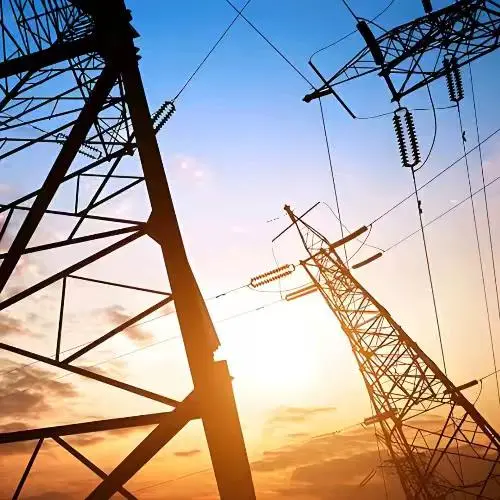
نامناسب موسمی شرائط جیسے بے ہوا یا برسات کے دنوں میں آزاد طور پر کام کرنے والے باد کی توانائی اور سورجی توانائی کی تولید کے متقطع ماحول کی وجہ سے، غیر ملکیتی علاقوں میں صرف ایک ہی ٹیکنالوجی کو استعمال کرنے کے لئے بڑے ذخیرہ توانائی کے معدات کی ضرورت ہوتی ہے تاکہ مستقل بجلی کی فراہمی کی ضمانت دی جا سکے۔ سورجی پینلز، باد کی چرخاں اور بیٹریوں کو موثر طور پر ملایا جانے سے ہائبرڈ باد-سورجی توانائی نظام نسل وار تولید کے متقطع مسئلے کو حل کر سکتے ہیں اور نسبتاً مستقیم بجلی فراہم کر سکتے ہیں۔ یہ ٹیکنالوجی زیادہ تر چین میں درج ذیل شعبوں میں استعمال ہوتی ہے۔
غیر ملکیتی دیہی علاقوں کے رہائشی اور پیداواری بجلی کے لئے
چین میں 80 کروڑ دیہی باشندے ہیں، جن میں سے تقریباً 5 فیصد کو بجلی کی رسائی کی کمی ہے۔ ان بجلی کے بغیر کے گاؤں اکثر باد کی توانائی اور سورجی توانائی کے وسائل کے ساتھ مند کے علاقوں میں واقع ہوتے ہیں، جس سے ہائبرڈ باد-سورجی نظام کا حل ممکن ہو سکتا ہے۔ معیاری ہائبرڈ نظام کی نصبی کیے جانے سے مقامی معیشت کی ترقی کو تیز کیا جا سکتا ہے اور زندگی کی معیار کو بہتر بنایا جا سکتا ہے۔ ایسے نظام کے ذریعے فراہم کردہ وسیع قابل تجدید وسائل کے استعمال سے بھرتیہ آبادی کے لئے سب سے مناسب اور کم خرچ بجلی کی خدمت فراہم کی جا سکتی ہے، جس سے ممکنہ ترقی حاصل کی جا سکتی ہے۔
موجودہ طور پر چین میں زیادہ تر غیر ملکیتی قابل تجدید بجلی کے نظام صرف روشنی اور گھریلو ضروریات کی فراہمی کرتے ہیں، پیداواری بوجھ کو شامل نہیں کرتے، جس سے ان کی معاشی کارآمدی کو کمزوری کا سامنا کرنا پڑتی ہے۔ معاشی کارآمدی کو حاصل کرنے میں نظام کی ملکیت، کنٹرول کے مکانات، فیس کے نظام، پیداواری بوجھ کے کنٹرول اور حکومتی معاونتوں کے ذریعے کی مقدار، مبلغ اور تقسیم کے مسائل شامل ہوتے ہیں۔ تاہم، یہ ممکنہ کارآمدی میں چین جیسے ترقی پذیر ممالک کے لئے گہری اہمیت رکھتی ہے۔
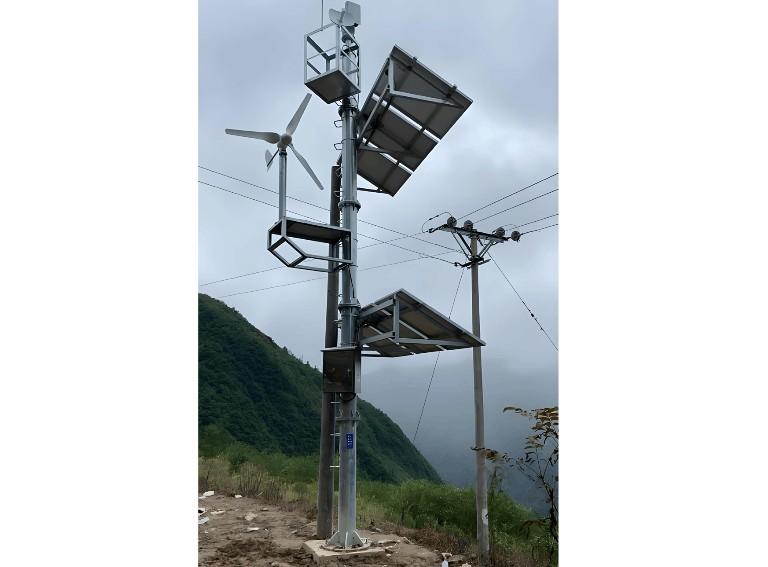
بیرونی LED روشنی کے اطلاق
بیرونی روشنی دنیا بھر میں کل بجلی کا تقریباً 12 فیصد استعمال کرتی ہے۔ بڑھتی ہوئی توانائی کی کمی اور ماحولیاتی دباؤ کے پس منظر میں ہائبرڈ باد-سورجی LED روشنی کی ٹیکنالوجی کو دنیا بھر میں توجہ ملتی ہے۔ نظام کا کام کنٹرولرز کے ذریعے بیٹریوں کو آپس میں مکمل کرنے والے سورجی اور باد کی توانائی کے ذریعے ذہین طور پر چارجن کرنا ہوتا ہے۔ رات کو، LED روشنی کا خود کار طور پر آن/آف ہونا ماحولی روشنی کے سطح کے مطابق ہوتا ہے۔ ذہین کنٹرولرز کی خصوصیات میں دور دراز کی نگرانی، کنٹرول اور ڈیٹا کی جمع (ٹیلی میٹری، ٹیلی کنٹرول اور ٹیلی کمیونیکیشن) کے لئے بے تار نیٹ ورکنگ شامل ہے۔ ان کی مدد سے پیشرفتمandalized data acquisition (telemetry, telecontrol, and telecommunication). They also support advanced computerized management, including fault detection, anti-theft alarms, and operational status checks. Typical applications include:
Roadway lighting (expressways, main roads, secondary roads, and side streets)
Community lighting (streetlights, courtyard lights, lawn lights, buried lights, wall lamps)
Developed projects include intelligent hybrid wind-solar LED streetlights, community lighting systems, landscape lighting, and tunnel lighting.
Marine Navigation Aids
Some navigation aids in China have adopted solar photovoltaic systems, especially lighthouses, but face challenges during prolonged poor weather when solar generation is insufficient, leading to battery over-discharge and lamp failure, affecting battery performance.
Poor weather often coincides with strong winds—when solar energy is low, wind energy is usually abundant. Therefore, a wind-dominant, solar-assisted hybrid system can replace traditional solar-only systems. Hybrid systems are environmentally friendly, pollution-free, maintenance-free, and easy to install and use—meeting the energy demands of navigation aids. The system operates on solar power during favorable spring/summer conditions; it activates wind-solar hybrid generation during winter, spring, or prolonged rainy periods when solar input is inadequate.
Power Supply for Highway Monitoring Equipment
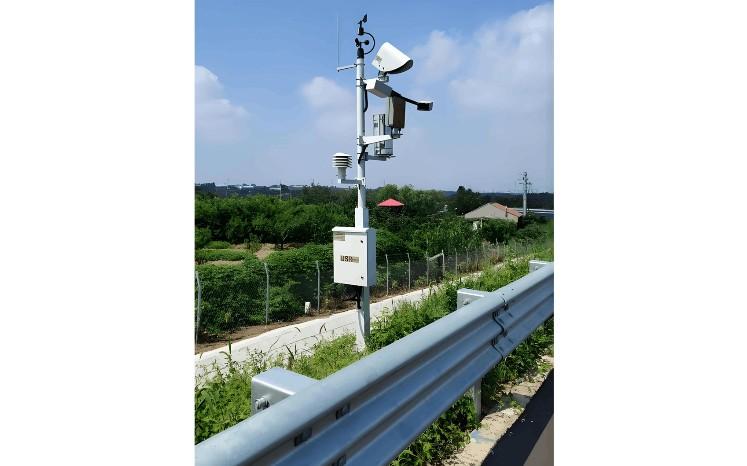
Highway surveillance cameras typically operate 24/7. Although individual power consumption is low, the sheer number of units results in significant energy use. Traditional grid power is not energy-efficient. Moreover, frequent theft of power cables leads to high losses and increased maintenance costs.
Given the widespread and linear distribution of monitoring points, grid connection is difficult and expensive. While solar PV remains costly, wind power is relatively cheaper. The complementary nature of wind and solar makes hybrid systems uniquely advantageous for distributed, off-grid applications like highway monitoring. Using hybrid systems eliminates the need for cabling, reducing theft risk. In extreme weather—prolonged rain with low sunlight and insufficient wind—existing grid lines can automatically charge batteries to ensure uninterrupted operation. Since each monitoring point operates independently, a failure at one site does not affect others.
Telecommunication Base Stations
Many islands and mountainous regions are far from the grid but require communication infrastructure for tourism, fisheries, and maritime activities. These base stations have modest power demands. Grid extension is prohibitively expensive, while diesel generators entail high fuel transportation costs, poor reliability, and difficult maintenance.
A reliable, long-term power solution must rely on local natural resources. Solar and wind energy are abundant and highly complementary in time and space on islands. Hybrid wind-solar systems offer a reliable and economical off-grid power solution for base stations. With on-site maintenance personnel, diesel generators can be included as backup, reducing the required capacity of solar arrays and wind turbines, lowering overall system cost, and improving reliability.
Pumped Hydro Storage Power Plants
Hybrid wind-solar pumped hydro storage plants use wind and solar power directly to drive water pumps for energy storage, bypassing batteries. Stored water is then used for stable electricity generation. This approach integrates conventional hydropower with wind and solar, leveraging their complementary spatiotemporal distributions. It suits remote areas beyond grid reach and supports ecological conservation in energy development. Key requirements include:
Energy conservation throughout the conversion process
Water balance within the self-circulating pumping system
Although slightly more expensive than conventional hydropower, this system solves the problem of seasonal non-operation faced by small hydropower plants in winter. Thus, hybrid wind-solar pumped hydro storage offers unique technical and economic advantages and can serve as a viable energy solution for suitable locations.