What is a Tube Light?
Tube Light Definition
A tube light is defined as a fluorescent lamp that operates on the principle of mercury vapor gas discharge to convert ultraviolet light into visible light through a phosphor coating.
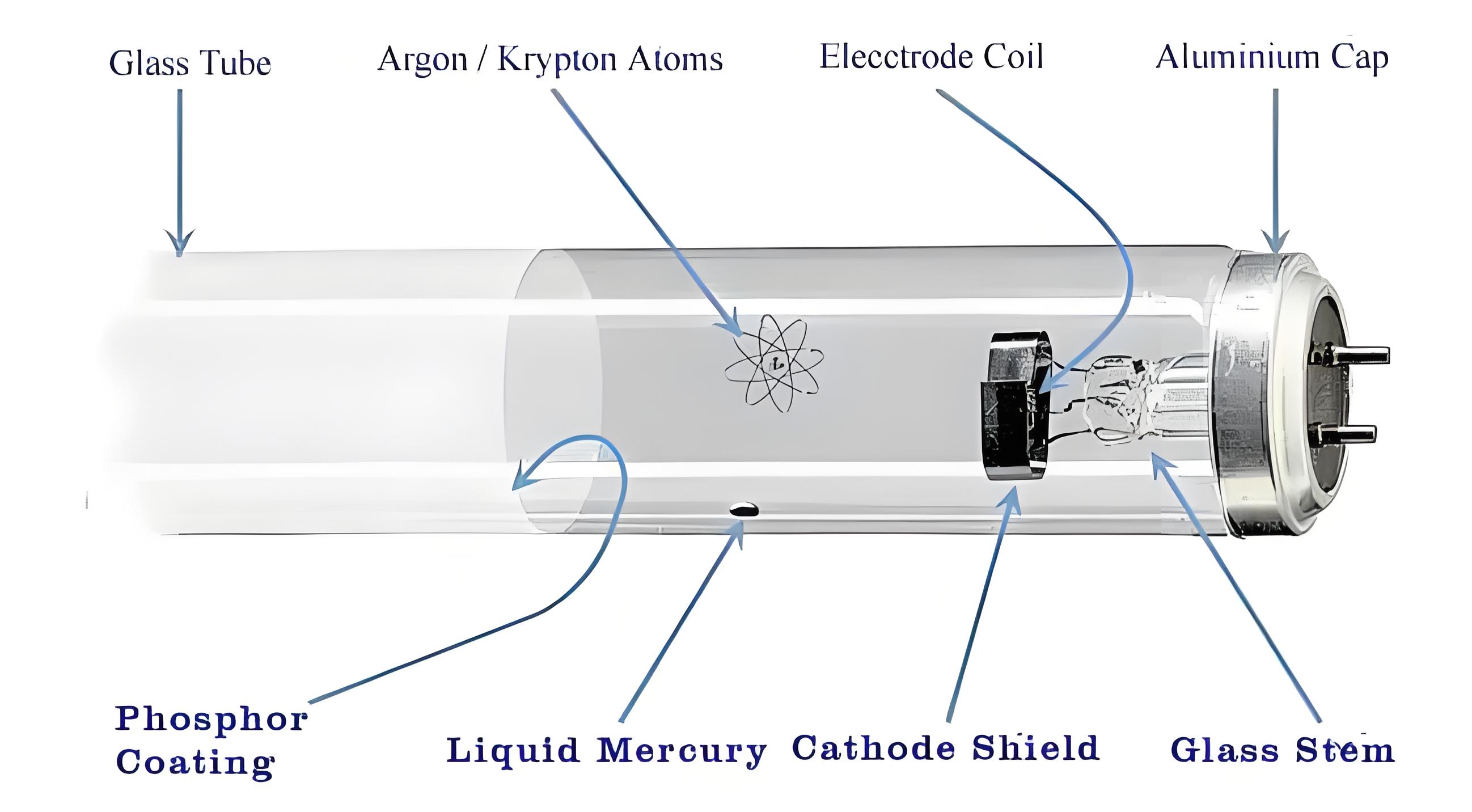
Material Composition
The tube light includes electrodes, phosphor coating, mercury, argon gas, and other necessary structural elements to function effectively.
Fluorescent Lamp Working Principle
The working principle involves ionizing mercury vapor and argon to produce light, initiated by a voltage surge from a starter mechanism.
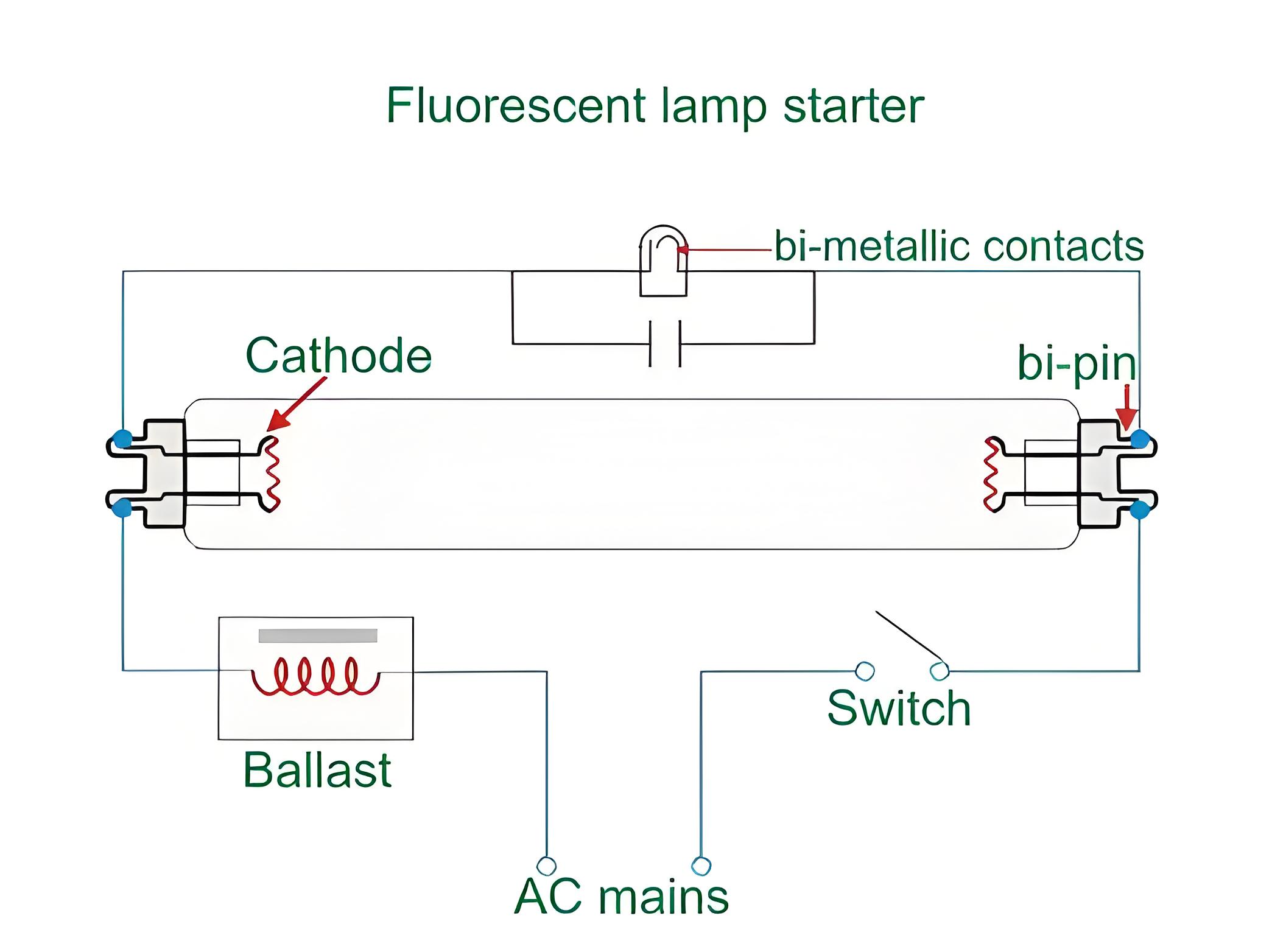
Role of the Starter
The starter’s purpose is to heat and bend a bimetallic strip to create an initial electrical path, which is crucial for the light’s operation.
Continuous Operation Process
Once started, the tube light maintains light emission through the continuous ionization of gas, with the starter becoming inactive.

 Login