Search


What is a Shunt Reactor?

Shunt reactor: Stabilizes voltage in high-voltage systems (>400kV) via reactive power compensation. Uses gapped core/air core designs for dynamic overvoltage control.

Encyclopedia
Field: Industry News
Electrical Engineer
10Year<
China
Add us on Google


What is a  Shunt Reactor?


Shunt Reactor Definition


A shunt reactor is defined as an electrical device used in high voltage power systems to stabilize voltage during load changes.


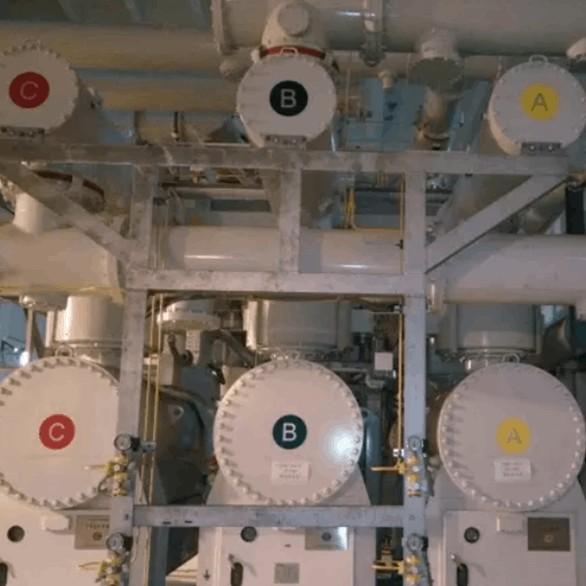
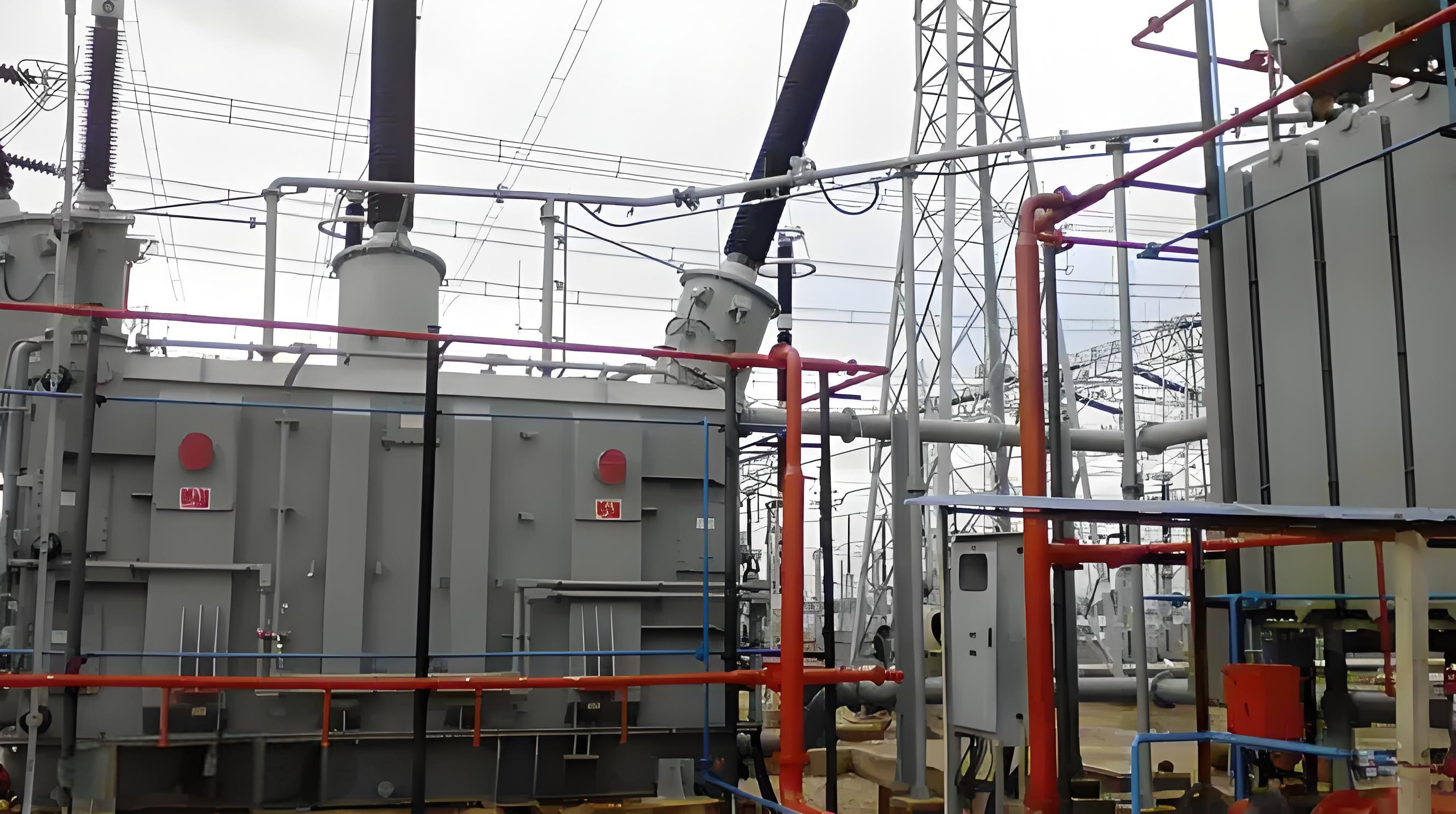
8e38d3e8bd32ce3a185e6554c0d0ea55.jpeg


Voltage Stabilization


It controls dynamic overvoltage and provides capacitive reactive power compensation in systems above 400kV.


Impedance Types


Shunt reactors come in gapped core or magnetically shielded air core types to maintain constant impedance and avoid harmonic currents.


Loss Measurement Methods


Losses are measured at lower voltages for high voltage reactors and scaled up; the bridge method is preferred due to the low power factor.


Operating Conditions


Must handle continuous voltage without overheating, ensuring it operates within safe temperature limits.


Give a tip and encourage the author!

Comments

Share your question or perspective
WhatsApp
Send inquiry
+86
Click to upload file
Download
Get the IEE Business Application
Use the IEE-Business app to find equipment, obtain solutions, connect with experts, and participate in industry collaboration anytime, anywhere—fully supporting the development of your power projects and business.
Login
or continue with
New here?
Register