Photoelectric emission explained: basis of converting light to electricity. Choose right materials—optimize efficiency in sensors and imaging technologies now.

What is Photoelectric Emission?
Definition of Photoelectric Emission
Photoelectric emission is defined as the release of electrons from a metal surface when light hits it.
Quantum Theory
Light is made up of photons, and each photon’s energy depends on its frequency.
Correlation formula
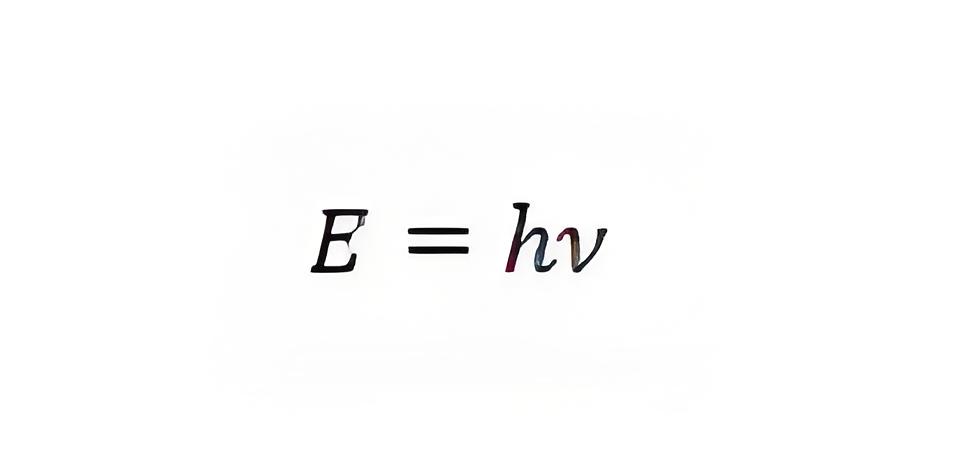
Where E is the energy of the photon, h is Planck’s constant, and ν is the frequency of the light.
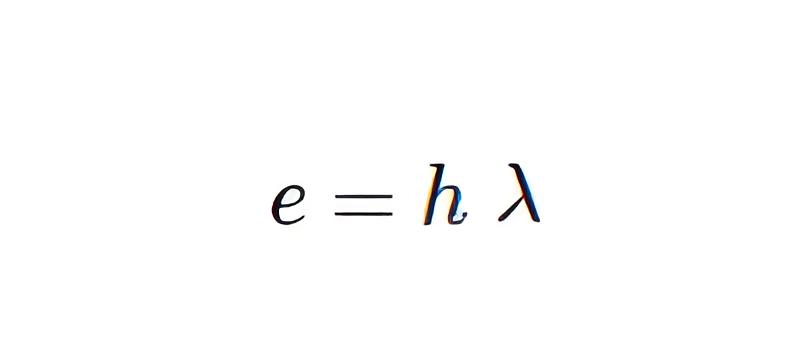
The work function of a metal depends on its chemical makeup and physical structure, and it varies among metals. For example, potassium has a work function of about 2.3 eV, while platinum’s is about 6.3 eV.
Photon Energy and Work Function
For photoelectric emission to occur, a photon’s energy must be at least as much as the metal’s work function.
Factors Affecting Emission
The frequency of light, intensity of light, and potential difference between metal and anode affect photoelectric emission.
Applications
Photocells
Photomultipliers
photoelectron spectroscopy.








 Login

