Induced current and current through a coil are two different concepts, each with distinct physical principles and applications. Below is a detailed explanation of the differences between these two types of currents:
1. Induced Current
Definition:
Induced current is the current generated in a conductor due to the electromagnetic induction effect caused by a changing magnetic field. According to Faraday's law of electromagnetic induction, when the magnetic flux through a closed loop changes, an electromotive force (EMF) is induced in the loop, which in turn generates a current.
Conditions for Generation:
Changing Magnetic Field: The magnetic field must vary with time, such as by moving a magnet or altering the current.
Closed Loop: The conductor must form a closed loop to allow current to flow.
Mathematical Expression:
Faraday's law of electromagnetic induction can be expressed as:
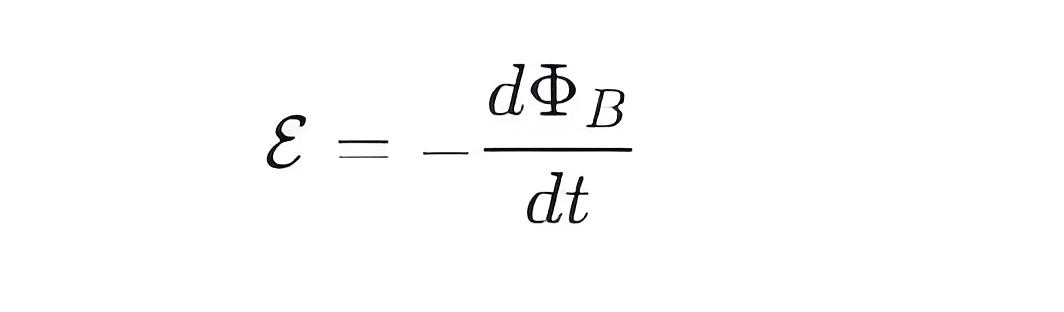
where
E is the induced EMF, ΦB is the magnetic flux, and t is time.
Applications:
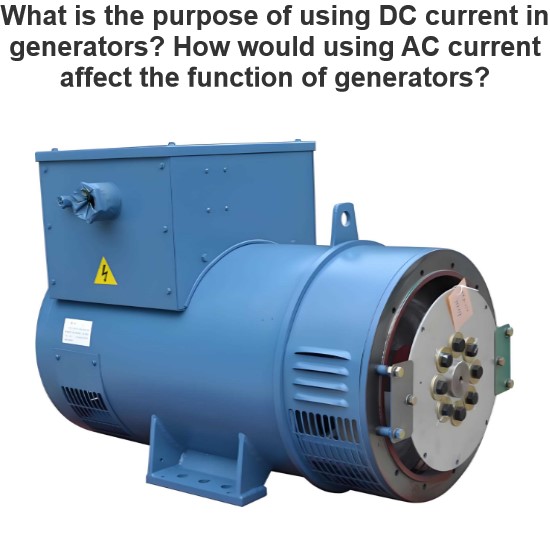
Generators: Utilize the change in magnetic field to generate induced current, converting mechanical energy into electrical energy.
Transformers: The alternating current in the primary coil creates a changing magnetic field, which induces current in the secondary coil to transfer electrical energy.
Induction Heating: Uses a changing magnetic field to induce eddy currents in metals, achieving heating effects.
2. Current Through the Coil
Definition:
Current through the coil is the current that directly flows through the conductors of the coil. This current can be either a constant direct current (DC) or an alternating current (AC).
Conditions for Generation:
Power Source: An external power source (such as a battery, generator, or AC source) is required to provide the current.
Closed Loop: The coil must be part of a closed circuit to allow current to flow.
Mathematical Expression:
For direct current (DC), Ohm's law can be used:

where I is the current, V is the voltage, and R is the resistance.
For alternating current (AC), the current can be expressed as a sine wave:
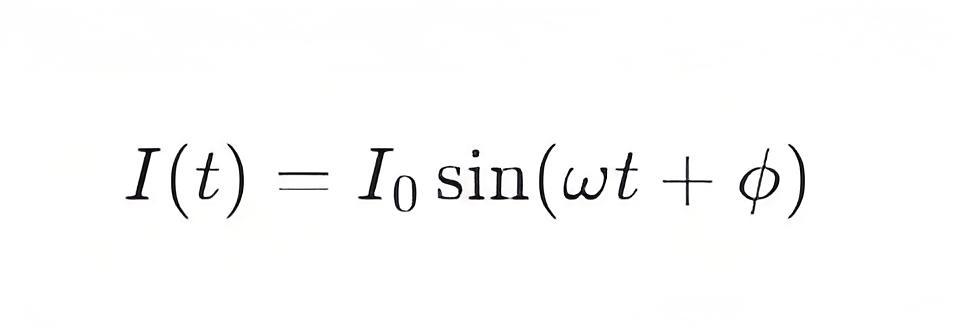
where I0 is the maximum current, ω is the angular frequency, and ϕ is the phase angle.
Applications:
Electromagnets: The current through the coil generates a magnetic field, used to create electromagnets.
Motors: The alternating current through the coil generates a rotating magnetic field, driving the motor.
Transformers: The alternating current in the primary coil creates a changing magnetic field, which induces current in the secondary coil to transfer electrical energy.
Summary
Induced Current is the current generated in a conductor due to the electromagnetic induction effect caused by a changing magnetic field, requiring a changing magnetic field and a closed loop.
Current Through the Coil is the current that directly flows through the conductors of the coil, requiring an external power source and a closed circuit.
Understanding the differences between these two types of currents helps in better grasping the fundamental principles of electromagnetism and correctly selecting and using related technologies in practical applications.

 Login