
• Product
  • Suppliers
  • Manufacturers
  • Solutions
  • Free tools
  • Knowledges
  • Experts
  • Communities
Search


What is a Coulomb's Law?

Encyclopedia
Field: Industry News
Electrical Engineer
10Year<
China

What is a  Coulomb's Law?

Coulomb’s Law Definition

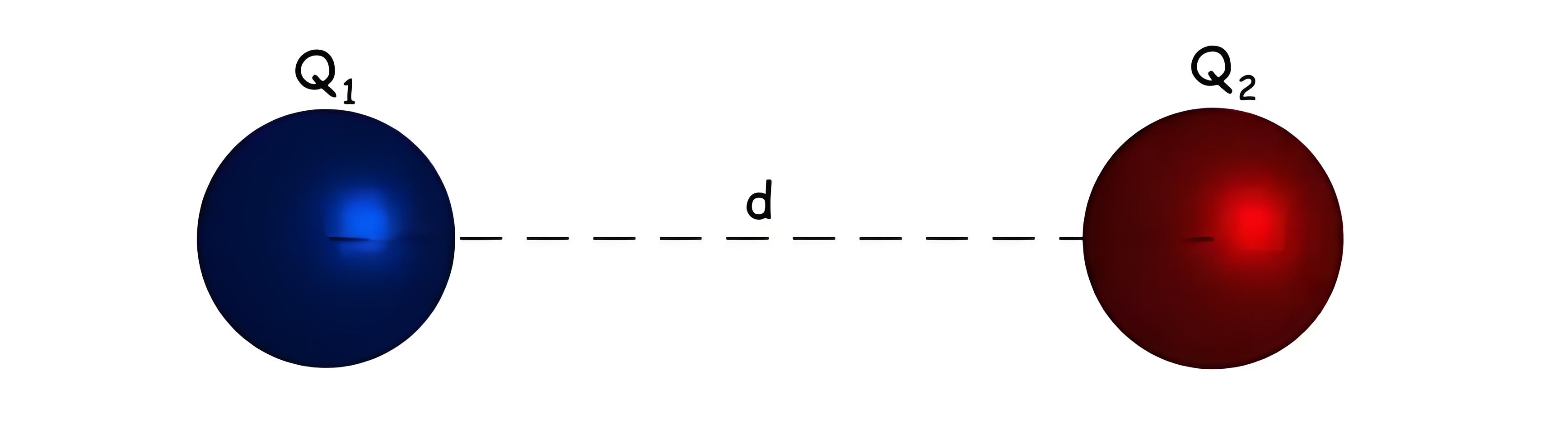
Coulomb’s law defines the force between two stationary, electrically charged particles, known as the electrostatic force.

d03e5f894b05fa0cefc06291964ca9e4.jpeg

Electrostatic Force

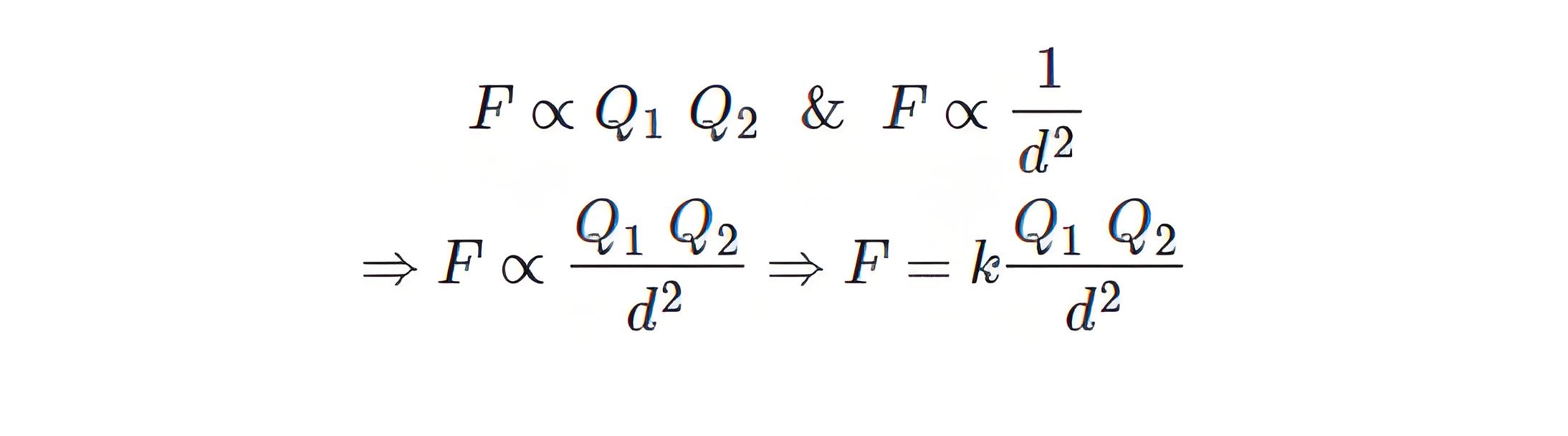
The electrostatic force is directly proportional to the product of the charges and inversely proportional to the square of the distance between them.

Coulomb’s Law Formula 85571dfa7e5772507c795a9b13a5cb94.jpeg

Coulomb’s Constant

Coulomb’s constant (k) in a vacuum is approximately 8.99 x 10⁹ N m²/C², and it varies with the medium.

Historical Background

Charles-Augustin de Coulomb formalized Coulomb’s law in 1785, building on earlier observations by Thales of Miletus.

Give a tip and encourage the author!

Comments

Share your question or perspective
WhatsApp
Send inquiry
+86
Click to upload file
Download
Get the IEE Business Application
Use the IEE-Business app to find equipment, obtain solutions, connect with experts, and participate in industry collaboration anytime, anywhere—fully supporting the development of your power projects and business.
Login
or continue with
New here?
Register