Search


What is Clamping Voltage?

Clamping voltage: Critical safety threshold in surge protectors where excess voltage is suppressed to protect devices. Differs from breakdown voltage & let-through levels.

Encyclopedia
Field: Industry News
Electrical Engineer
10Year<
China
Add us on Google


What is Clamping Voltage?


Clamping Voltage Definition


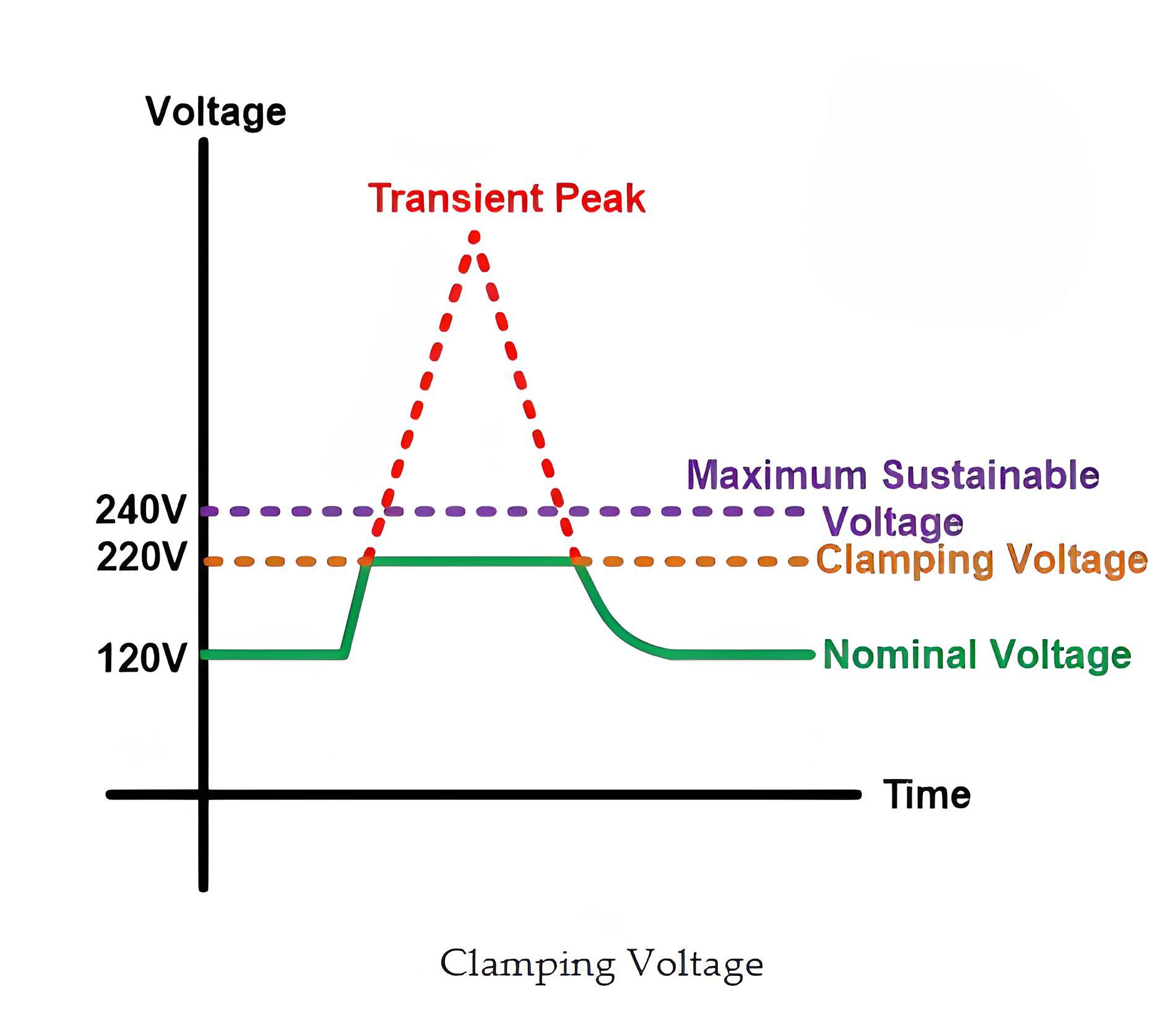
Clamping voltage is defined as the maximum voltage allowed to pass through a surge protector before it limits further voltage, protecting connected devices from surges.


0a6f6239df5ee84a0b22be8b64c8d3c3.jpeg


Purpose and Operation


Surge protectors use clamping voltage to suppress excess voltage, ensuring devices remain safe from power surges.


Breakdown Voltage


Breakdown voltage is defined as the minimum voltage at which an insulator starts to conduct electricity, allowing current to flow.


Clamping vs Breakdown Voltage


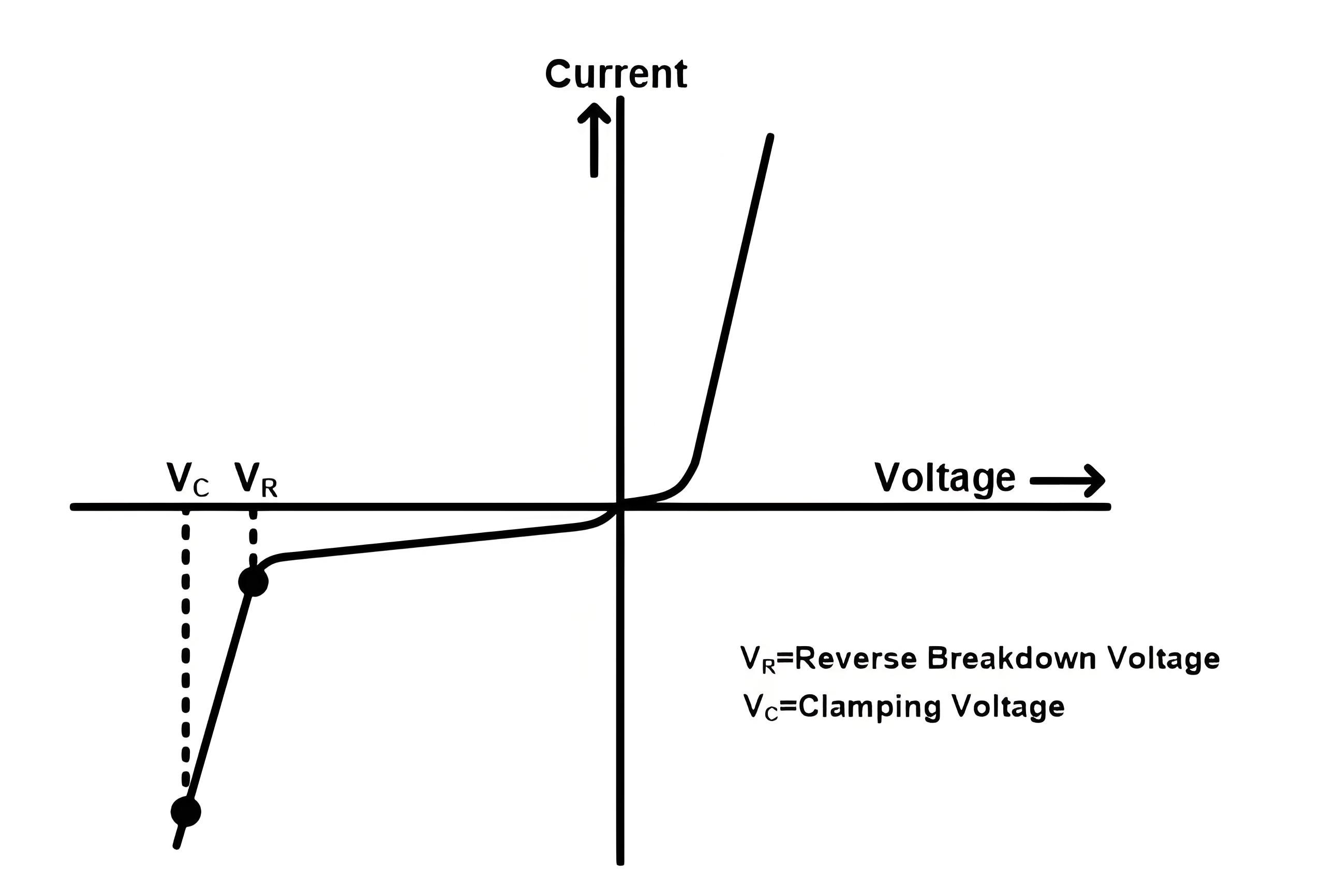
Clamping voltage prevents excess voltage from passing, while breakdown voltage is the point where current starts flowing in a diode.


66747a02b339d55d5624648b8cb82f25.jpeg


Let-Through Voltage


Clamping voltage is also known as let-through voltage, indicating the maximum voltage a surge protector lets through to connected devices.


Give a tip and encourage the author!

Comments

Share your question or perspective
WhatsApp
Send inquiry
+86
Click to upload file
Download
Get the IEE Business Application
Use the IEE-Business app to find equipment, obtain solutions, connect with experts, and participate in industry collaboration anytime, anywhere—fully supporting the development of your power projects and business.
Login
or continue with
New here?
Register