The CT20 series operating mechanism is a classic design. One common cause of failure to close is an improperly adjusted, overly short stroke of the closing solenoid. The rated stroke is approximately 5mm. However, due to vibration or incorrect adjustment after maintenance, the stroke may decrease to around 3mm, potentially causing the mechanism to fail to operate. If the control system continuously issues a closing command under such conditions, the solenoid remains energized, which can lead to overheating and eventual burnout.
As shown in the diagram below, when the closing solenoid stroke is normal, the U-shaped component at the end of the plunger pushes the primary closing trip unit, enabling successful closing.
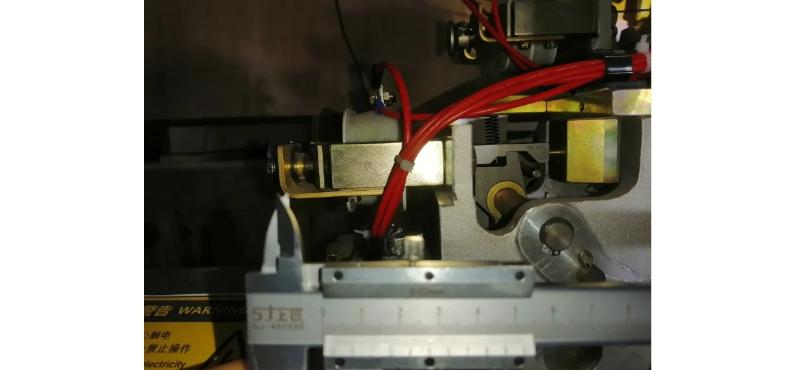
One possible cause of failure to close is illustrated below:
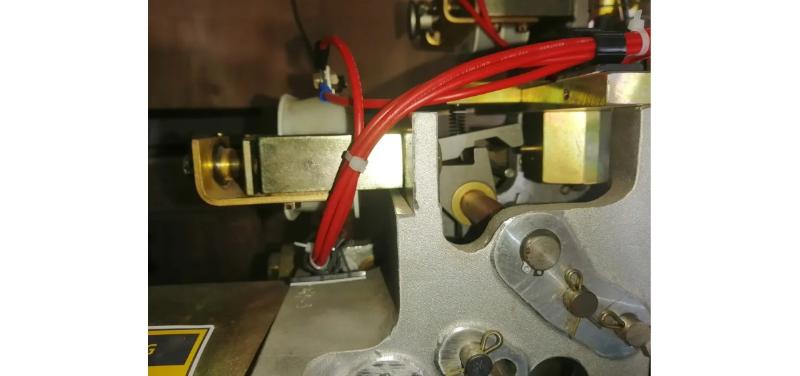
If the closing solenoid stroke is too short, when the solenoid operates, the front end of the U-shaped part is lifted by the fixed cylindrical rod directly ahead. As a result, although the solenoid activates, it fails to drive the primary closing trip unit to release, leading to a failed closing operation.
In such cases, manual adjustment may restore normal closing. However, if the adjusted stroke remains near the critical 3mm value, the mechanism may again fail to close during the next attempt after a subsequent opening operation.
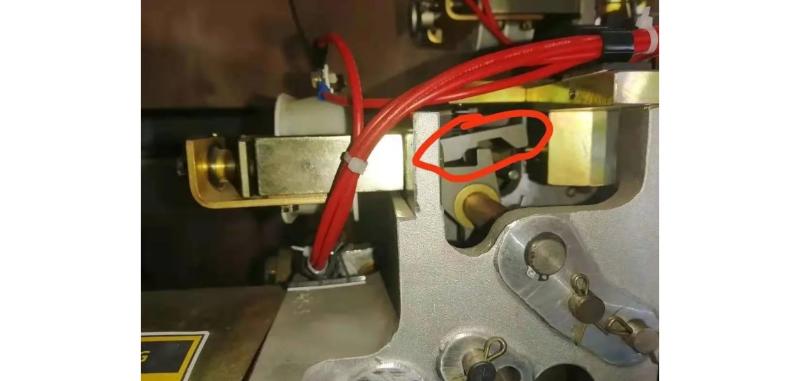
According to feedback from power grid experts, most CT20 mechanism failures are caused by the red-circled area in the figure above failing to reset.
In addition, other causes include mechanical binding combined with spring fatigue. For XK25 models produced before 2013, poor sealing of the mechanism enclosure often led to water ingress and corrosion.
Some failures are due to the dislocation of the reset spring at the closing solenoid or anti-jump assembly, while others result from dried lubricant and slight rust causing resistance and preventing proper reset. The stroke, once correctly set during commissioning, rarely causes issues later—however, care must be taken to restore the correct setting after replacing the coil.

 Login