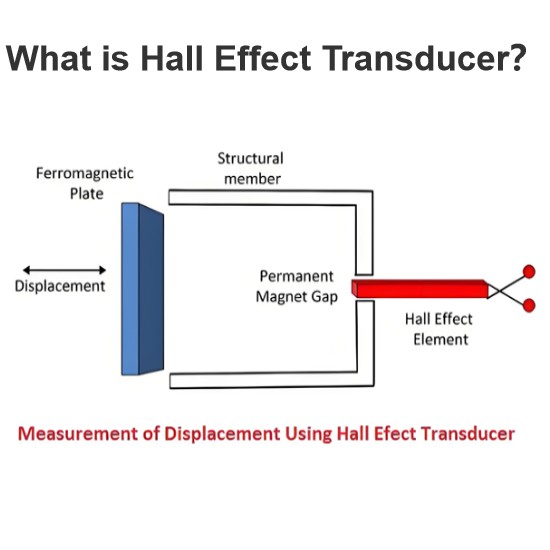
What are the Applications of Hall Effect ?

Hall Effect applications: identify semiconductor type (n/p), measure carrier concentration, calculate mobility via Hall coefficient, and power magnetic sensors.

Encyclopedia
Field: Industry News
Electrical Engineer
10Year<
China
Add us on Google


What are the  Applications of Hall Effect ?


Hall Effect Definition


The Hall effect is defined as the deflection of charge carriers in a current-carrying conductor when placed in a magnetic field.
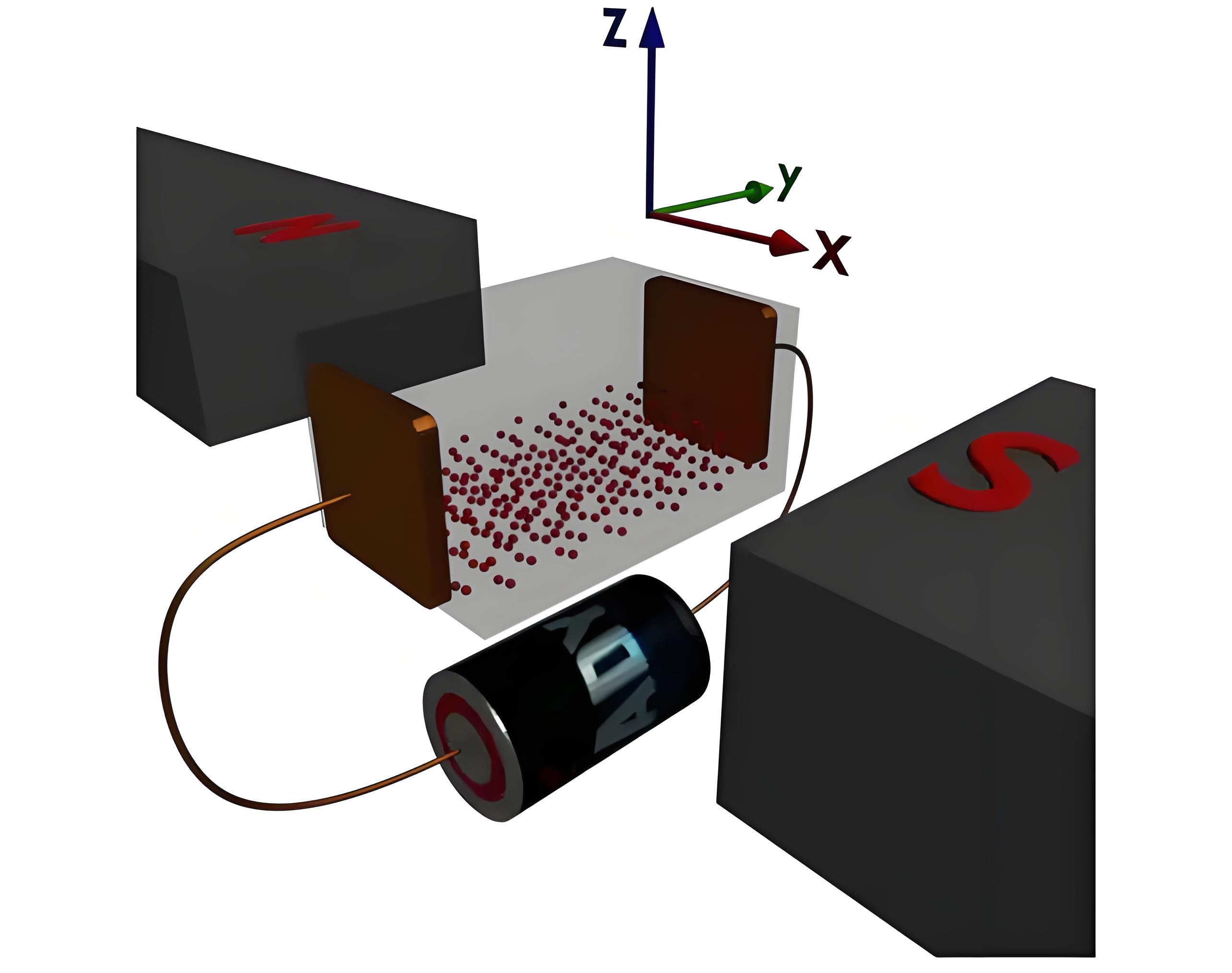
 

7b1421ca7caf7479cf2e4f806e49d1b0.jpeg


Determine the Type of Semiconductor


The direction of the Hall voltage helps identify if a semiconductor is n-type or p-type.


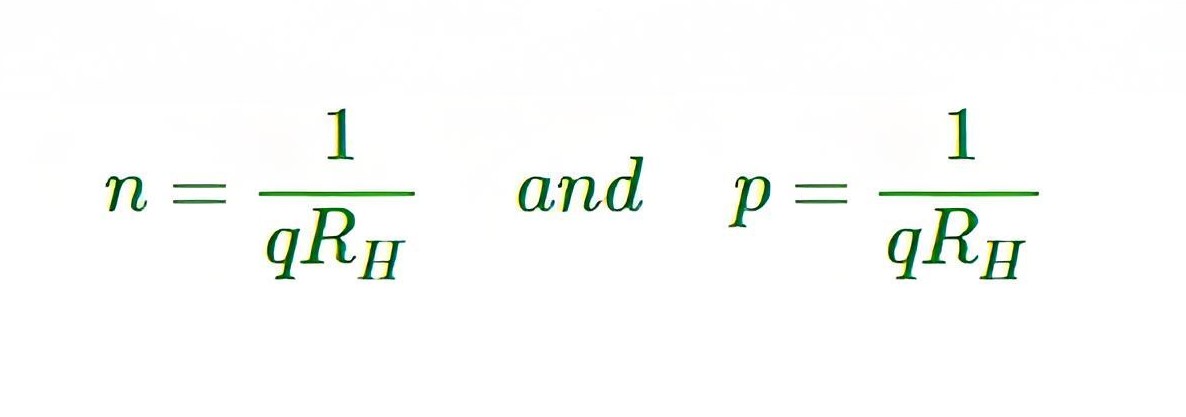
Calculate the Carrier Concentration


The Hall effect is used to find the concentration of electrons and holes in a semiconductor.


199cad925c9597a395b713d9de649c74.jpeg


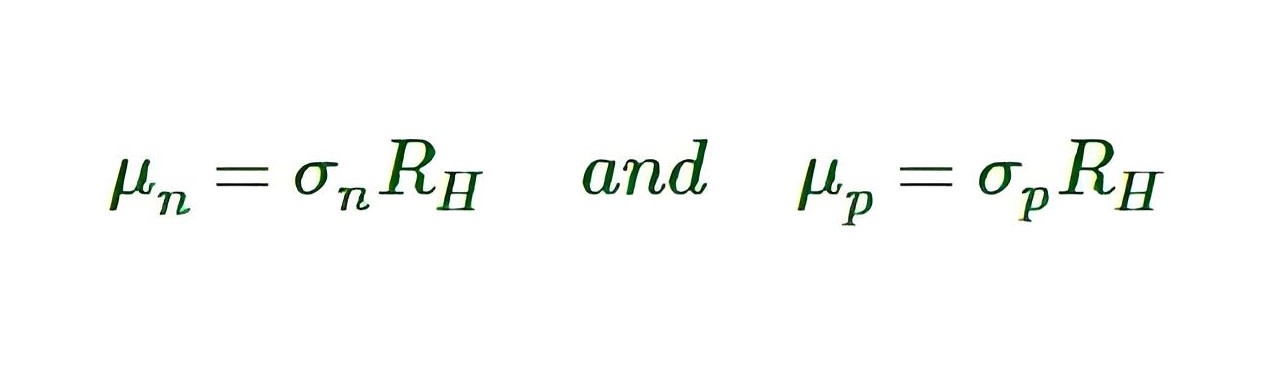
Determine the Mobility (Hall Mobility)


The Hall coefficient helps calculate the mobility of electrons and holes.


d9d0032ab422441170c152831ffd6d50.jpeg


Commercial Applications of Hall Effect


Hall-effect sensors and probes measure magnetic fields and are used in various devices.


Give a tip and encourage the author!

Comments

Share your question or perspective
WhatsApp
Send inquiry
+86
Click to upload file
Download
Get the IEE Business Application
Use the IEE-Business app to find equipment, obtain solutions, connect with experts, and participate in industry collaboration anytime, anywhere—fully supporting the development of your power projects and business.
Login
or continue with
New here?
Register