Three-Phase Voltage Regulator: Safe Operation and Cleaning Tips

Three-Phase Voltage Regulator: Safe Operation and Cleaning Tips
When moving a three-phase voltage regulator, do not use the handwheel; instead, use the carrying handle or lift the entire unit for relocation.
During operation, always ensure that the output current does not exceed the rated value; otherwise, the service life of the three-phase voltage regulator may be significantly reduced, or it may even burn out.
The contact surface between the coil and the carbon brushes should be kept clean at all times. If contaminated, excessive sparking may occur, damaging the coil surface. If black burn spots appear on the coil surface, wipe them gently with a cotton cloth soaked in alcohol until the spots are completely removed.
Three-phase voltage regulators are widely used in large-scale electromechanical equipment across industries such as industrial manufacturing, agriculture, transportation, telecommunications, military, railways, scientific research, cultural facilities, metal processing machinery, production assembly lines, construction machinery, elevators, medical devices, embroidery and light textile equipment, air conditioning systems, broadcasting and television equipment, household appliances, and lighting—anywhere stable voltage is required. Given such a broad range of applications, what is a reasonable price for a three-phase voltage regulator?
Regularly inspect the condition of the three-phase voltage regulator. If the carbon brushes show excessive wear or damage, replace them promptly with brushes of the same specification. After installation, place fine (No. 0) sandpaper under the new brushes and rotate the handwheel several times to smooth the brush contact surface and ensure good electrical contact before putting it back into service.
When mounting the three-phase voltage regulator horizontally onto a large panel or vertically onto another base, secure it firmly using the mounting holes provided on its base. Keep the unit clean at all times; never allow water droplets, oil, or other contaminants to enter the interior. The regulator must be powered off periodically for internal dust removal.
The supply voltage must match the input voltage specified on the voltage regulator’s nameplate.
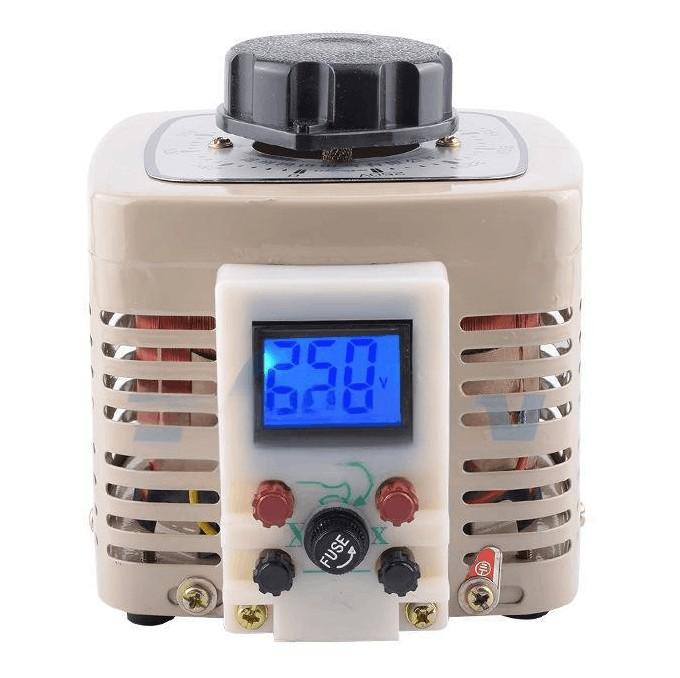
Structurally, the three-phase voltage regulator is similar to a wound-rotor induction motor, except that its rotor is locked in place by a worm gear mechanism and cannot rotate freely. The rotor position can be adjusted manually or electrically to a specific angle as needed. In terms of electromagnetic characteristics, it functions somewhat like an autotransformer.
-
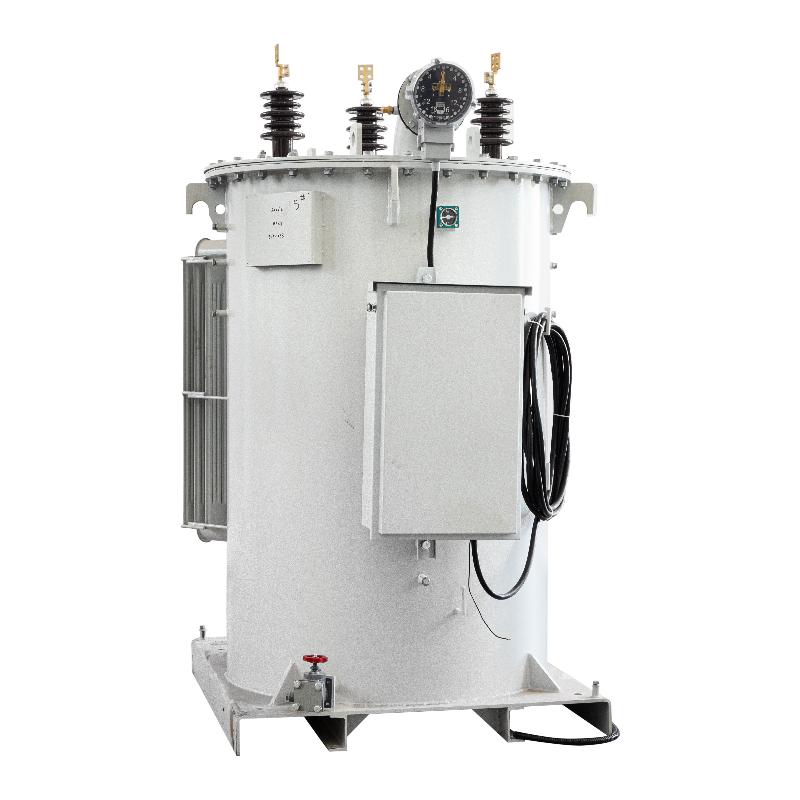
11kV 15kV 22kV 33kV Fully automated, maintenance-free 32 step voltage regulator for distribution lines

-
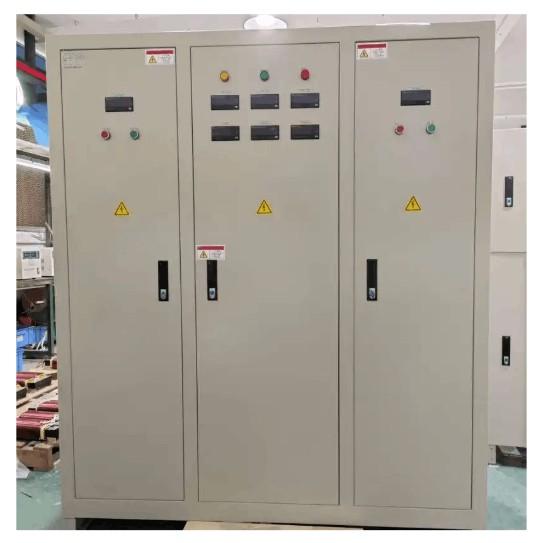
Oil-immersed self-cooled induction voltage regulator 6kV 6.35kV 11kV 15kV 22kV 24kV 33kV source manufacturer

-
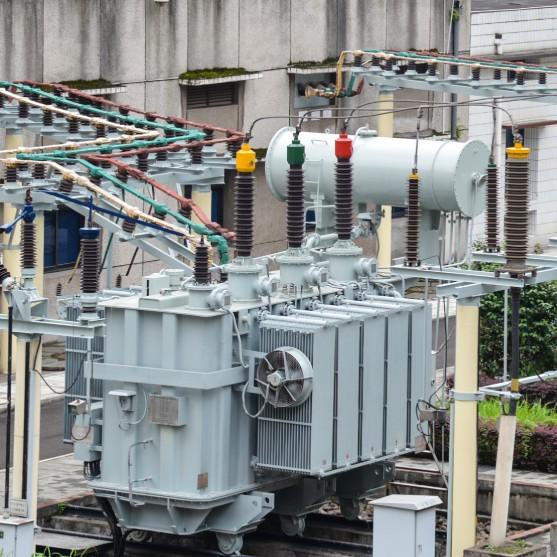
SVR - High Voltage Feed Voltage Regulating Transformer(distribution transformer)

-
19.92 kV 33kV 34.5 kV Single Phase Pole Mounted voltage regulator control for Precise output voltage regulation