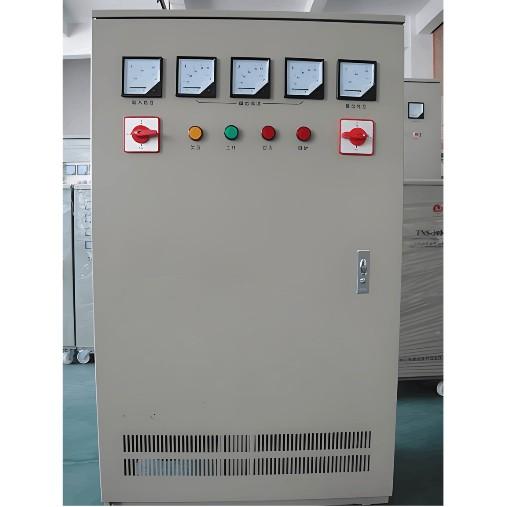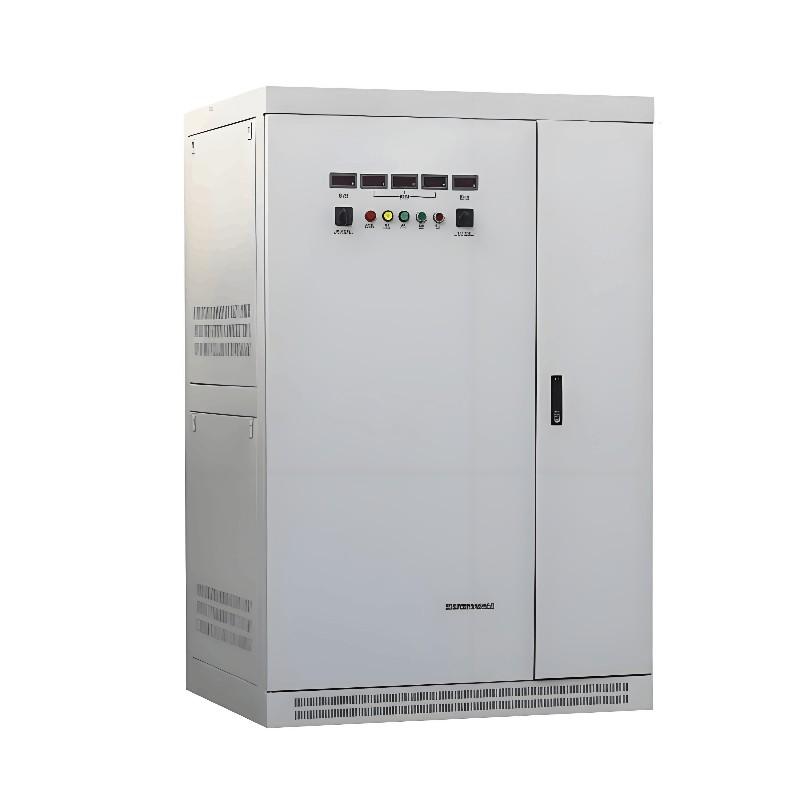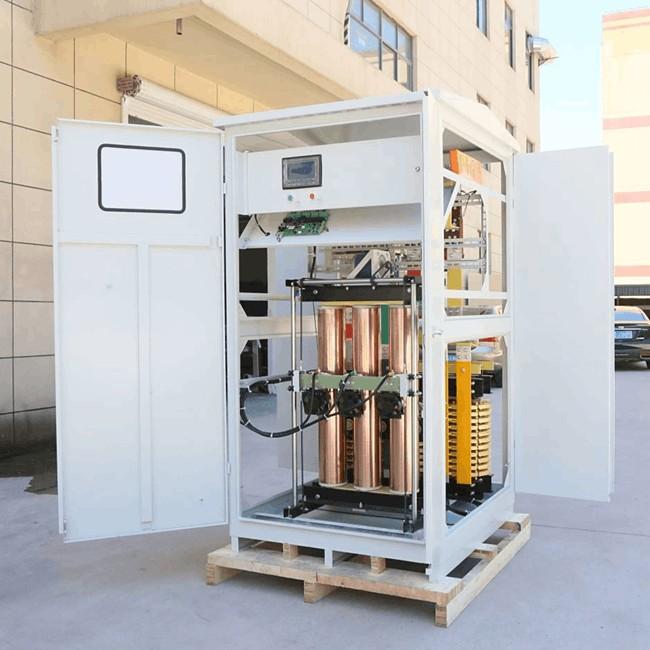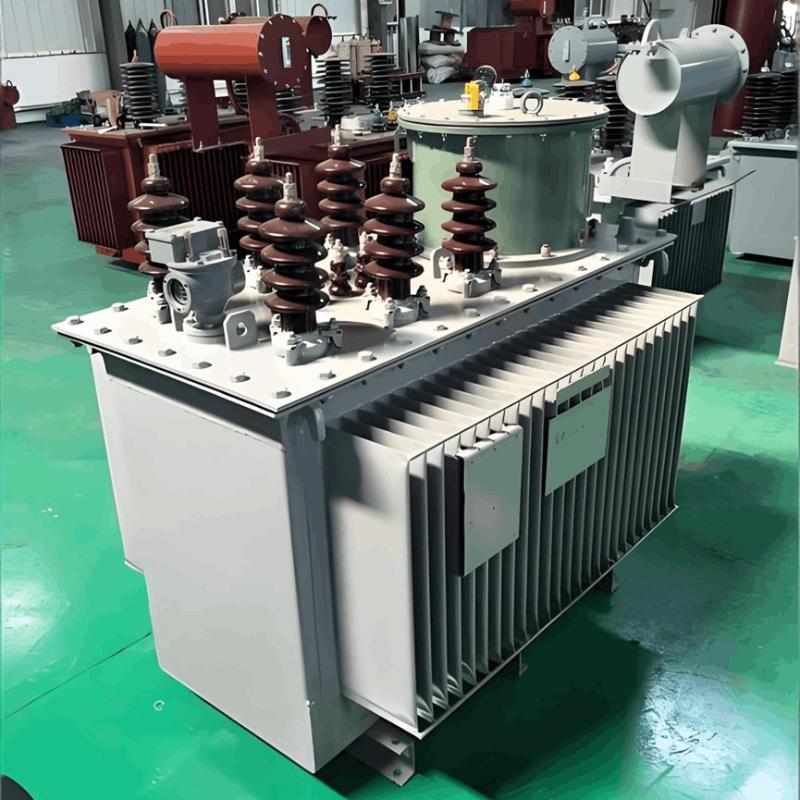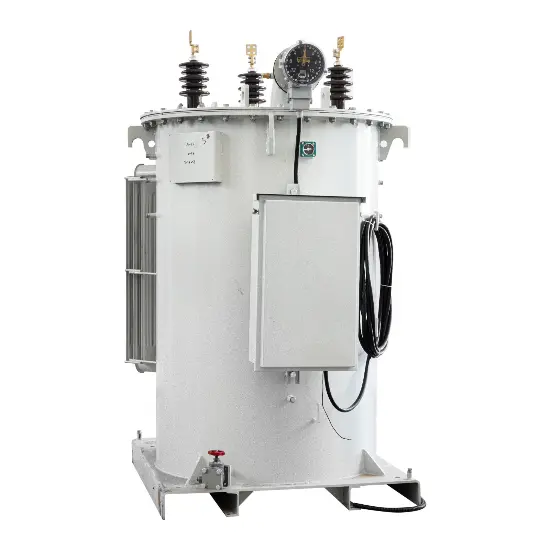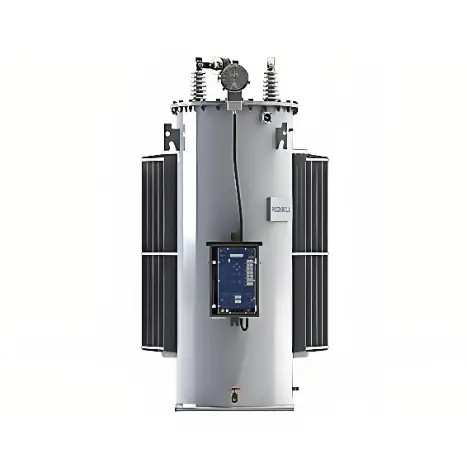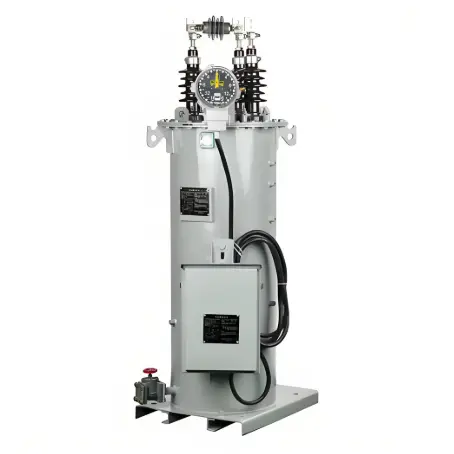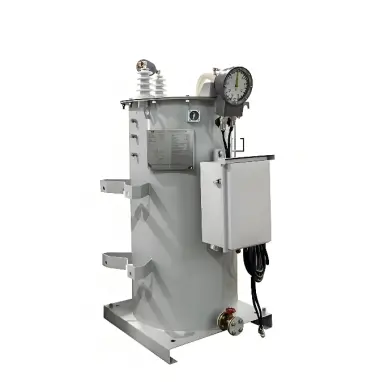
Adjusting the response speed of a boost voltage regulator is a complex issue involving power systems and electronic engineering. The speed regulation of a boost voltage regulator primarily concerns the design of its controller and the optimization of its control system to achieve fast and stable responses. Below is a detailed 1500-word article on how to adjust the response speed of a boost voltage regulator.
Part 1: Basic Principles and Applications of Boost Voltage Regulators
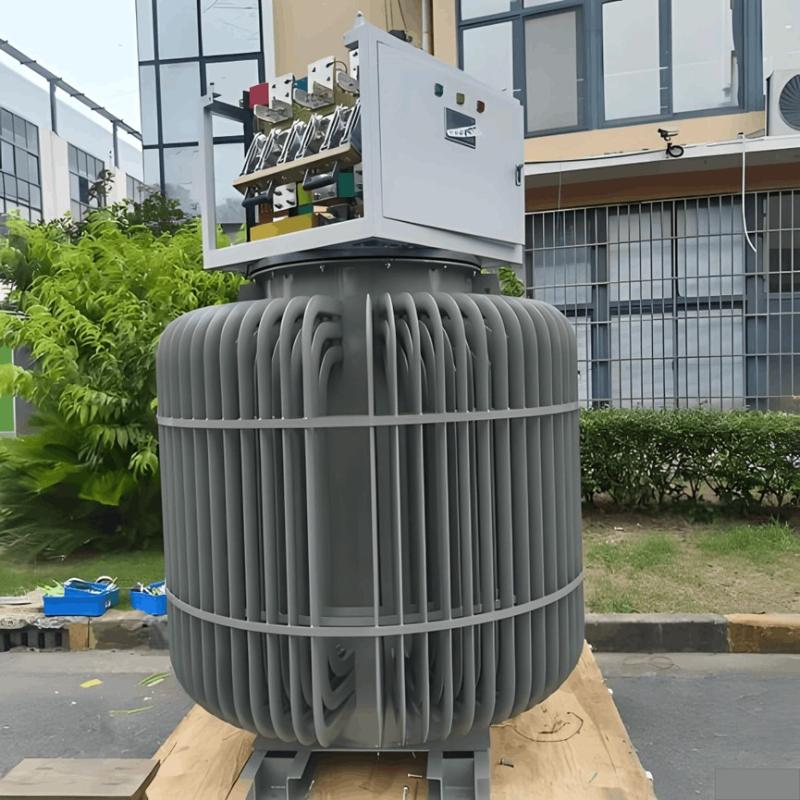
A boost voltage regulator is a device commonly used in power systems to convert electrical energy from one voltage level to another. It typically consists of a transformer and a control system.
The fundamental principle of a boost voltage regulator is based on the operation of a transformer, which has different windings on the input and output sides. By changing the turns ratio, the input voltage is converted to the desired output voltage.
Boost voltage regulators are commonly applied in the following areas of power systems:
Transmission and distribution systems: Used to step down high transmission-line voltages to lower levels suitable for end-user delivery.
Substations: Used to step up the generator output voltage to the high voltage levels required by the transmission grid.
Power quality regulation: Used to mitigate voltage fluctuations and harmonics in power systems, ensuring stable operation.
Part 2: Controller Design for Boost Voltage Regulators
The design of the controller is key to regulating the response speed of a boost voltage regulator. The controller typically includes a feedback loop, a proportional amplifier, and an actuator.
Feedback loop: Detects the actual output voltage and compares it with the desired reference voltage. Common feedback components include voltage transformers and current transformers.
Proportional amplifier: Amplifies the error signal and converts it into a control output signal. The gain of the amplifier must be tuned according to specific application requirements.
Actuator: Adjusts the transformer’s tap position or winding ratio to regulate the output voltage. Common actuators include tap changers, switching devices, and servo motors (e.g., DC motors).
Part 3: Optimization of the Control System
Optimizing the control system is essential for achieving fast and stable response performance in a boost voltage regulator. Several methods can be employed:
PID controller: A widely used control strategy that adjusts proportional, integral, and derivative gains to balance system stability and response speed.
Adaptive control: This method continuously adjusts controller parameters based on real-time feedback to accommodate system variations and disturbances.
Fuzzy logic control: A control approach based on fuzzy inference that effectively handles uncertainty and imprecision in input signals.
Optimization algorithms: Algorithms such as genetic algorithms and particle swarm optimization can be used to fine-tune controller parameters for optimal dynamic performance.
Predictive control: Uses a mathematical model of the system to forecast future states and proactively adjusts control actions accordingly.
Part 4: Examples and Case Studies
To better understand how to adjust the response speed of a boost voltage regulator, consider the following example:
Suppose we need to regulate the output voltage of a transformer to step down high transmission voltage to a lower distribution level.
First, we design an appropriate controller. We select a PID controller and set suitable proportional, integral, and derivative gains based on system dynamics and performance requirements.
Next, we optimize the control system. We may implement adaptive control combined with fuzzy logic and apply optimization algorithms to automatically tune the PID parameters.
Finally, we conduct real-world testing and validation. Using an actual boost voltage regulator system, we verify the controller’s performance and make further adjustments as needed.
Through these steps, we can achieve a fast and stable response from the boost voltage regulator and tailor its behavior to meet specific operational demands.
Conclusion
Adjusting the response speed of a boost voltage regulator requires proper controller design and control system optimization. Common approaches include PID control, adaptive control, fuzzy logic control, and optimization algorithms. Practical examples and case studies are crucial for understanding and applying these techniques effectively. With rational design and systematic optimization, a boost voltage regulator can deliver rapid and stable voltage regulation performance.