Auto Reclosing Definition
An auto reclosing scheme is defined as a system that automatically attempts to close circuit breakers after a fault, restoring power without human intervention.
Fault Types
Transient Fault
Semi Permanent Fault
Permanent Fault
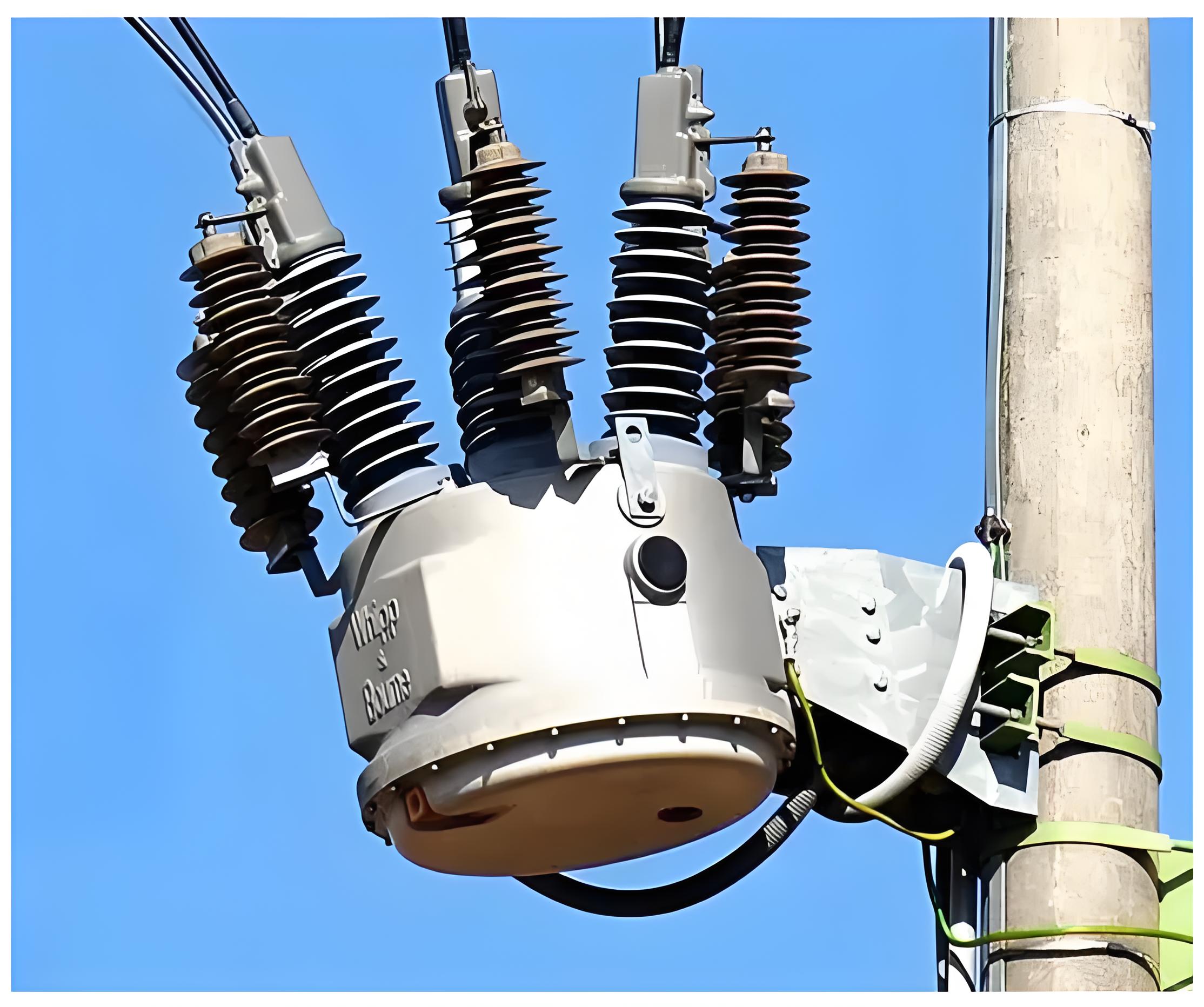
Auto Recloser Working Principle
The extra high voltage transmission lines transmit huge amount of electric power. Hence, it is always desirable that the continuation of power flow through the lines should not be interrupted for a long time. There may be a temporary or permanent fault in the lines. Temporary faults get automatically cleared, and these do not require any attempt for fault rectification. It is normal practice by the operators that after each initial faulty tripping of the line, they close the line. If the fault is transient, the line holds after the second attempt of closing the circuit breaker, but if the fault persists, the protection system again trips the line and then it is declared as permanent fault.
Fault Clearance Statistics
An auto-reclosing scheme handles this process. In overhead transmission systems, 80% of faults are transient, and 12% are semi-permanent. The auto-reclosing system attempts to close the circuit breaker multiple times until the fault clears. If the fault persists, the system permanently opens the circuit breaker. A set time delay can help clear semi-permanent faults before reclosing.

 Login