An increase in the dielectric loss factor (tanδ) of transformer oil (insulating oil) typically indicates a decline in its insulating performance. Elevated dielectric loss generates additional heat during transformer operation, which accelerates insulation aging and may even lead to insulation breakdown.
The main reasons for the rise in dielectric loss of transformer oil generally include the following aspects:
1. Moisture Ingress (Increased Water Content)
Moisture is one of the most common causes of increased dielectric loss in insulating oil. During operation or cooling shutdowns, transformers may absorb moisture from the air due to poor sealing, or solid insulating materials (such as insulating paper) may release water as they age. When the micro-water content (dissolved or suspended water) in the oil increases, it significantly raises the oil's conductivity and polarization loss.
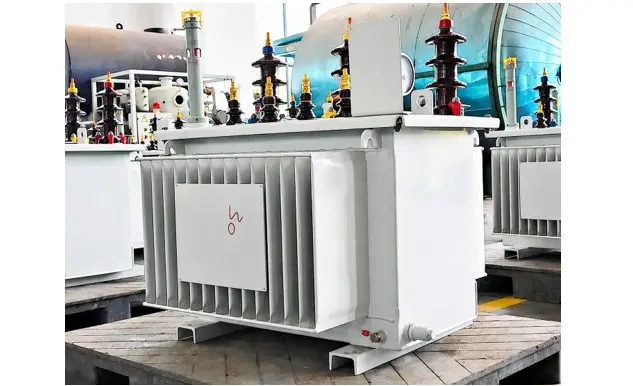
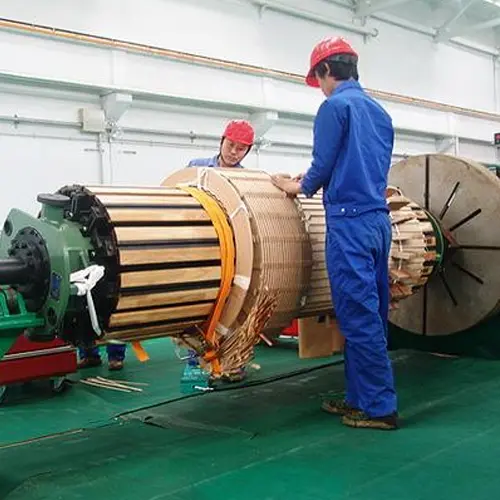
Vziman Transformer On-Site Photo
2. Oil Aging and Oxidation
Under long-term operation, transformer oil undergoes oxidative cracking reactions due to the combined effects of electric fields, high temperatures, and oxygen.
-
Oxidation produces polar substances such as acids, alcohols, aldehydes, ketones, and sludge.
-
The presence of these polar molecules substantially increases polarization loss under alternating current, resulting in a marked rise in the dielectric dissipation factor.
3. Impurities and Suspended Particle Contamination
During manufacturing, installation, or maintenance, minor impurities may remain in the transformer. New contaminants can also be generated during operation:
-
Metal particles: Generated by component friction or discharge.
-
Fibrous impurities: Cellulose fibers shed from solid insulation (insulating paper and pressboard) under thermal and electrical stress.
These suspended impurities readily form conductive bridges under an electric field, increasing leakage current and causing a sharp rise in dielectric loss.
4. Microbial Contamination
This is a factor that is often overlooked. If the transformer oil contains trace amounts of moisture and suitable nutrients, and the operating temperature is favorable, certain bacteria or fungi (microorganisms) may proliferate in the oil. The metabolic byproducts of microorganisms produce a large number of polar compounds, leading to an abnormal and rapid increase in dielectric loss over a short period.
5. Structural Design and Auxiliary Equipment Factors
-
Absence of a thermosiphon (oil purifier): To reduce potential oil leakage points, some modern transformer manufacturers have eliminated thermosiphon filters. This means the transformer oil cannot be continuously adsorb-filtered during operation, allowing polar aging byproducts to accumulate in the oil. Consequently, dielectric loss may rise noticeably shortly after commissioning.
-
Oil mixing issues: If oils of different grades or different base types (e.g., naphthenic vs. paraffinic) are mixed during refilling or oil replacement, chemical reactions may occur, destabilizing the oil quality and leading to increased dielectric loss.
6. Temperature Effects
The dielectric loss factor is highly temperature-sensitive. Although this is a physical characteristic, in practice, if a transformer operates for extended periods under overloaded or poor heat-dissipation conditions at elevated temperatures, not only will the absolute dielectric loss value be high, but the oxidative and aging processes described above will also be accelerated manifold.
Root Cause and Systematic Solution
The root cause of rising dielectric loss in transformer oil can be attributed to the long-term synergistic degradation driven by four factors: moisture, oxygen, heat, and impurities.
In response, Vziman transformers are designed not merely for passive remediation but for proactive prevention. Through an integrated, four-pronged system—fully sealed moisture protection + low-temperature-rise operation + high-cleanliness manufacturing processes + optional online purification—Vziman simultaneously curbs these four major triggers at their source.
Choosing Vziman means acquiring more than just a transformer; it means investing in a comprehensive insulation reliability assurance system that spans manufacturing, operation, and maintenance. This ensures that your oil's dielectric loss values remain stable at their initial design levels for the long term, significantly extending transformer service life and reducing the risk of unplanned outages.
Edited From:Echo

 Login
Login