Development Cycle of Solid-State Transformers
The development cycle for solid-state transformers (SST) varies depending on the manufacturer and technical approach, but it generally includes the following stages:
Technology Research and Design Phase: The duration of this phase depends on the complexity and scale of the product. It involves researching relevant technologies, designing solutions, and conducting experimental validations. This phase can take several months to several years.
Prototype Development Phase: After developing a feasible technical solution, prototypes need to be fabricated and tested to verify their feasibility and quality. The time required for this phase depends on the number of prototypes and the complexity of testing, potentially taking several months.
Production Line Design and Debugging Phase: Once the prototypes are confirmed as viable, production processes and lines must be designed and established to ensure consistent quality and efficiency in mass production. This phase typically takes several months.
Mass Production and Market Promotion Phase: After finalizing the production process and debugging the production line, mass production can commence. As the product is used in the market, there may be different regional and customer-specific requirements leading to product upgrades, optimizations, and customizations. The duration of this phase can extend indefinitely based on the product's popularity and market demand.
In summary, the development cycle of SSTs is relatively long, involving multiple phases such as technology research, prototype development, production line design and debugging, mass production, and market promotion. The entire cycle can span several years.
Optimal Core Performance
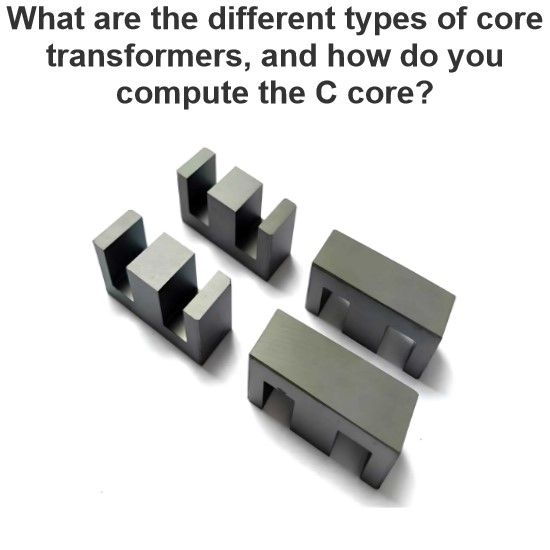
The optimal core performance in SSTs not only minimizes size, weight, and cost but also enhances overall efficiency. Key attributes include low core losses, high saturation flux density, high permeability, and temperature stability. Common core materials include FeSiBNbCu-nanocrystalline, ferrites, and iron-based amorphous cores. Co-based amorphous cores, however, are prohibitively expensive.
Thanks to their low losses and compact core design, nanocrystalline materials exhibit excellent performance in the 1-20 kHz range. These materials contribute significantly to achieving high efficiency and reliability in SSTs.

 Login