Research on Power Quality Issues and Control Technologies at Distribution Transformer Terminals in PV Charging Stations
1. Introduction
As a frontline designer of photovoltaic charging station distribution systems, I deeply engage in power quality control technology research. Amid energy transition, photovoltaic charging stations grow in importance, yet large - scale PV integration brings power quality challenges. The distribution transformer end, a key node, urgently needs solutions. Despite existing research, gaps remain in control tech considering PV characteristics and complex conditions. This paper focuses on this end’s power quality control, covering problem analysis, tech design, and case verification to support system stability.
2. Analysis of Power Quality Problems at the Distribution Transformer End
2.1 Operational Characteristics of Photovoltaic Charging Stations
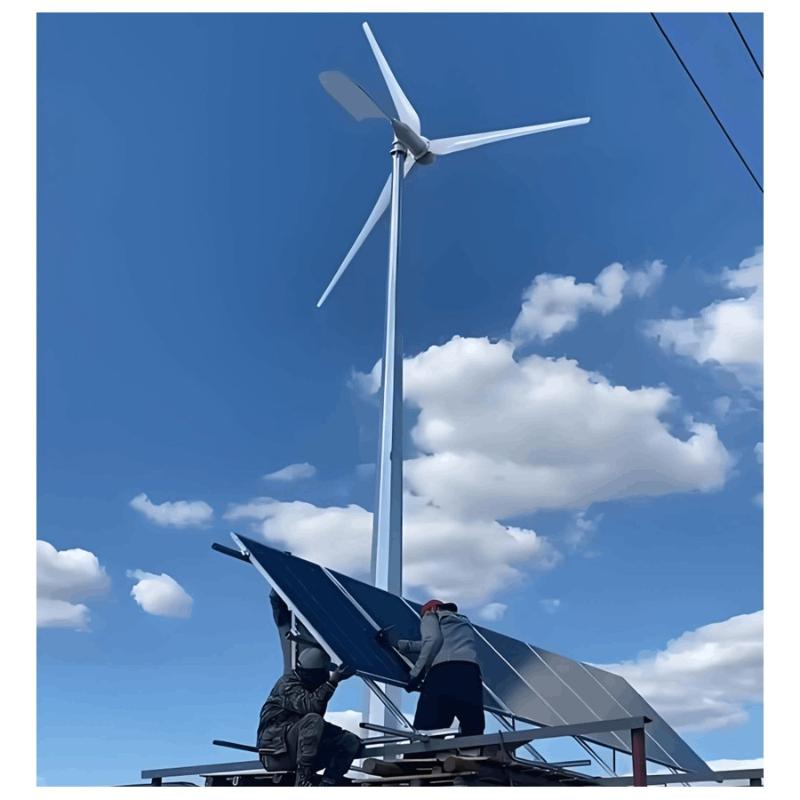
Photovoltaic charging stations consist of PV power generation systems and charging facilities. PV systems convert solar energy via panels and inverters for grid connection. PV output is intermittent and fluctuating due to light intensity and temperature—weak in low - light conditions, higher in sunny noons; temperature also impacts panel efficiency.
Charging facilities have dynamically changing loads. User charging behavior is random, with varying times and power—e.g., post - work weekday surges or flexible scheduling, complicating load prediction. These are key design considerations.

2.2 Main Power Quality Problems
After grid connection, the distribution transformer end faces issues like voltage fluctuation/flicker, harmonics, and three - phase imbalance. Voltage fluctuation stems from PV intermittency and load changes, potentially causing flicker. Harmonics from inverters distort voltage, increasing losses and aging equipment. Unbalanced charging access causes three - phase imbalance, harming transformer life. These common inspection issues demand targeted solutions.
2.3 Causes of Power Quality Problems
Problems result from coupled factors: PV intermittency/volatility, load randomness, transformer nonlinearity (core saturation, winding leakage), and grid operation issues (uneven three - phase loads). Design must comprehensively address these for an appropriate control scheme.
3. Power Quality Control Technology for the Distribution Transformer End
3.1 Control Technology Based on Compensation Devices
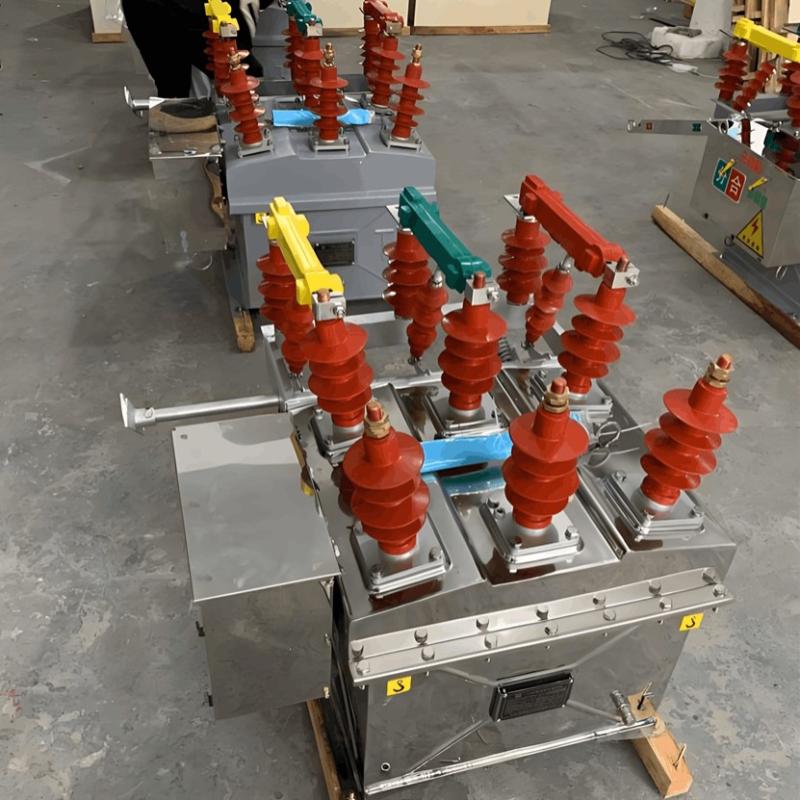
Common compensation devices have distinct traits: reactive capacitors (simple but slow), SVC (dynamic but harmonic - prone), and STATCOM (fast, accurate, with harmonic suppression). During design, I optimize capacity and position (e.g., near transformer low - voltage side) for better efficiency.
3.2 Power Quality Optimization via Control Strategies
Advanced strategies enhance control: fuzzy control (handles nonlinear/uncertain issues), neural network (self - learning for precision), and model predictive control (optimizes via prediction). For voltage fluctuation, I designed a fuzzy - based regulation algorithm, proven by simulation to suppress fluctuations.

3.3 Comprehensive Control Scheme
The scheme integrates data acquisition, decision - making, and compensation modules. It forms a closed - loop: data identifies issues, matches strategies/devices, and adjusts parameters. I guide scheme design to fit charging station scenarios.
4. Analysis of Practical Application Cases
4.1 Case Introduction
A large industrial park photovoltaic charging station, with complex loads, faces severe power quality issues at the transformer end due to park load fluctuations and PV intermittency, affecting equipment and grid stability. I deeply participate in scheme implementation.
4.2 Application Scheme
Tailored compensation device selection and a cooperative fuzzy + model predictive control strategy are used. Fuzzy control generates initial compensation; model predictive control optimizes it. I ensure design fits on - site conditions.
4.3 Effect Evaluation
Post - application monitoring shows improved power quality: voltage fluctuation narrows to ±3%, THD drops below 4%, and three - phase unbalance to within 5%. Economically, annual maintenance costs reduce by ~¥200,000, with ~¥300,000 income growth. Socially, grid stability supports industrial park enterprises, verifying effectiveness.

5. Conclusion
The designed comprehensive control scheme, integrating compensation and strategies, effectively improves power quality. Yet, complex - condition control can be optimized. Future efforts will provide mature tech for photovoltaic charging station power quality management, ensuring grid stability.