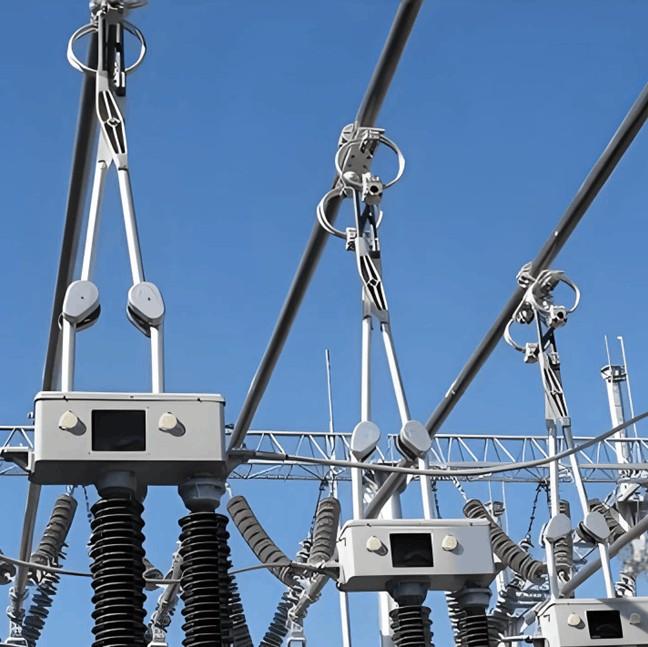
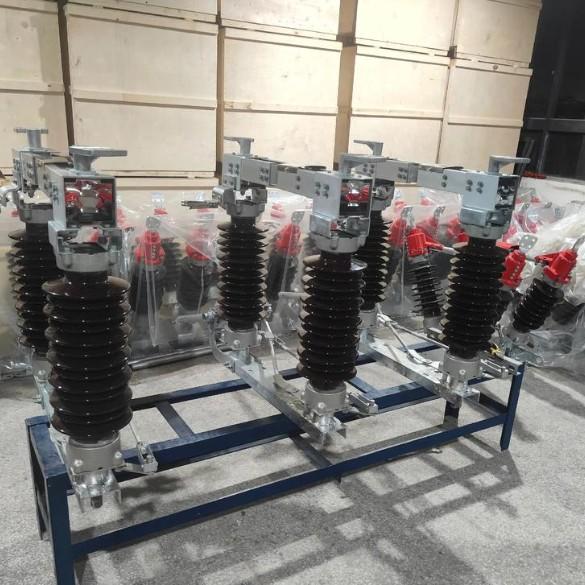
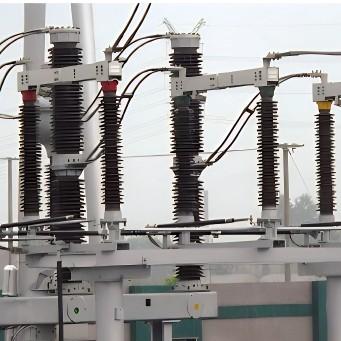
The following are methods for handling accidents and abnormalities related to isolating switches:
(1) If an isolating switch fails to operate (refuses to open or close), take the following steps:
① For mechanically operated isolating switches that fail to open or close, check whether the circuit breaker is open, whether the mechanical interlock of the isolating switch has been released, whether the transmission mechanism is jammed, and whether the contacts are rusted or welded. Gently wiggle the operating handle to assist inspection—but do not force operation until the root cause is identified.
② For electrically operated isolating switches that fail to respond, first determine whether the fault lies in the mechanical transmission system or in the electric operating circuit. If it is an electric control circuit fault, verify that all electrical interlocks have been properly released and that the three-phase voltage of the operating power supply is normal. If the fault is confirmed to be in the electric operating circuit, the switch may be manually operated to open or close. However, if the electrical interlock has not been released, do not forcibly bypass the interlock and operate the switch until the cause is fully investigated.
③ If a support insulator breaks during operation, immediately stop operating the isolating switch and report to the dispatcher. Depending on the system configuration, isolate the faulty switch from the power source by transferring loads to another busbar or de-energizing the affected busbar.
④ If the mechanical transmission part of the isolating switch is defective but the conductive part remains intact and functional, defer repair until the next scheduled outage. However, if overheating occurs in the conductive part, immediately report to the dispatcher, implement load-limiting measures, and de-energize the switch for maintenance if necessary.
(2) During closing of an isolating switch, if poor contact occurs in one phase due to significant three-phase asynchronism, the switch may be opened and reclosed. Alternatively, an insulated operating rod can be used to gently adjust the blade into proper alignment. However, if the three-phase asynchronism is severe, contact maintenance personnel for handling—do not attempt forced operation.

 Login