Technical Specifications for Climate-Adaptive Transformer Designs

As the frequency and severity of climate-related events such as storms, floods, and wildfires continue to rise, the development of climate-adaptive transformer designs has become an urgent need. Transformers, as a core component of power infrastructure, their ability to withstand extreme weather conditions is directly related to the stability of power supply. This article explores the technical specifications defining climate-adaptive transformer designs, focusing on four key dimensions: material selection, structural integrity, cooling systems, and advanced monitoring technologies.
1. Materials and Insulating Materials
One of the critical aspects of climate-adaptive transformer design lies in the scientific selection of structural materials. Traditional insulating materials like kraft paper, although possessing good electrical properties, have the drawback of heat accumulation which easily leads to overheating—a common cause of transformer failures. To address this issue, researchers are actively exploring high thermal conductivity insulating materials: for instance, incorporating nanoparticles such as boron nitride into paper-based insulating materials can significantly enhance heat dissipation, reducing the temperature of internal hotspots by 5 to 10°C, and is expected to double or triple the service life of transformers.
Furthermore, the use of environmentally friendly materials not only improves equipment performance but also aligns closely with sustainable development goals. Transformers with environmental attributes aim to reduce maintenance needs and improve energy efficiency, thereby lowering operational costs and reducing environmental footprints. Meanwhile, the development and application of high-temperature insulating materials such as DuPont™ Nomex® enable transformers to operate efficiently in high-temperature environments while ensuring performance stability and operational safety.
2. Structural Integrity
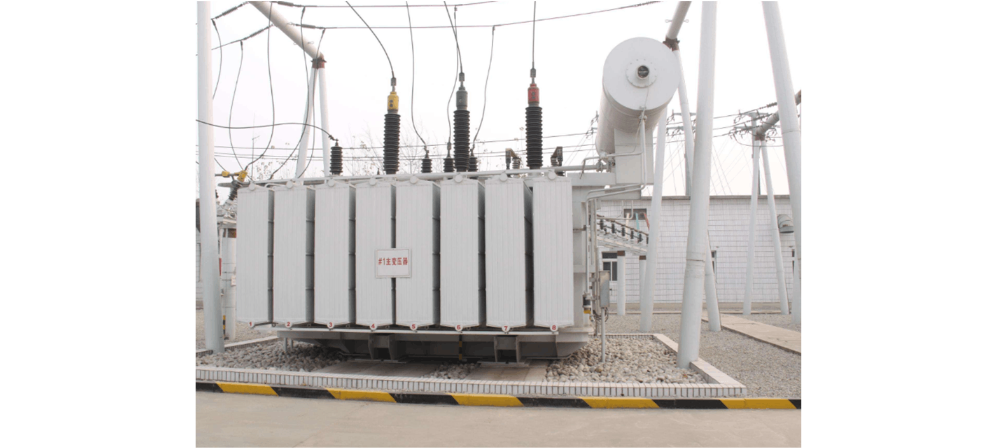
The structural design of a transformer plays a decisive role in its ability to withstand extreme weather, requiring performance to endure strong winds, floods, and other environmental pressures.
Enclosure Ratings: Climate-adaptive transformers are typically equipped with enclosures suitable for harsh environments (such as NEMA 4X or similar standards), which can effectively block the intrusion of dust, moisture, and corrosive substances. These enclosures are designed to be robust and durable, providing comprehensive external protection for internal components.
Elevated Installation: In flood-prone areas, transformers can be installed at elevated positions or placed within flood barriers to avoid water damage during extreme weather events, fundamentally reducing the risk of short circuits and other flood-related failures.
3. Cooling Systems
An efficient cooling system is the core guarantee for maintaining the optimal operating temperature of transformers under extreme conditions.
Non-ventilated Design: Fully enclosed non-ventilated transformers are particularly suitable for environments with conductive or corrosive substances. Their design eliminates openings that could lead to pollutant intrusion and relies solely on surface radiation for heat dissipation, ensuring stable operation in harsh environments.
Advanced Cooling Technologies: The integration of advanced cooling technologies can further enhance the environmental adaptability of transformers. For example, the application of liquid cooling systems can optimize thermal management efficiency under high-load scenarios or extreme temperatures, ensuring stable equipment performance under severe conditions.
4. Monitoring Technologies
The application of advanced monitoring technologies has significantly improved the operational reliability of transformers under adverse conditions.
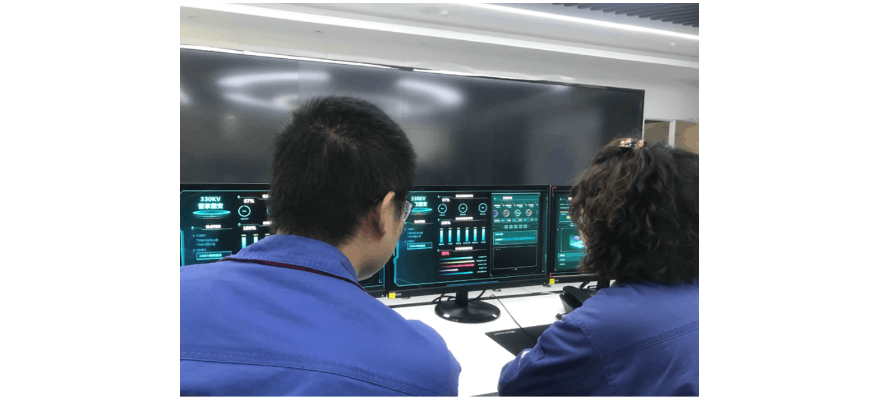
IoT and AI Integration: Intelligent technologies can real-time monitor health parameters of transformers such as temperature, humidity, and load levels. With the help of Internet of Things (IoT) devices and artificial intelligence (AI) algorithms, power companies can accurately predict potential failures before they occur and implement proactive maintenance, thereby reducing downtime and ensuring continuous power supply during extreme weather events.
Remote Monitoring Systems: These systems support remote and continuous observation of transformer performance, providing key data support for power companies to help them quickly respond to changes in environmental conditions and improve emergency handling efficiency.
Conclusion
As climate change continues to intensify the impact of extreme weather events, the demand for climate-adaptive transformer designs has become increasingly prominent. By adopting advanced materials that enhance thermal management, robust structures that resist environmental pressures, efficient cooling systems that maintain optimal operating conditions, and intelligent monitoring technologies that enable proactive maintenance, the transformer industry can significantly improve the environmental adaptability of its products.
These technical specifications not only ensure reliable power distribution under complex conditions but also align with broad sustainable development goals, laying the foundation for a green future. In the future, increasing investment in these innovative technologies is a key measure to protect power infrastructure from the impacts of climate change.