• Product
  • Suppliers
  • Manufacturers
  • Solutions
  • Free tools
  • Knowledges
  • Experts
  • Communities
Search


Metal-Enclosed vs. Open-Air Capacitor Banks: Structural Differences & Selection Guide

Rockwill
Field: Manufacturing
10Year<
China
 
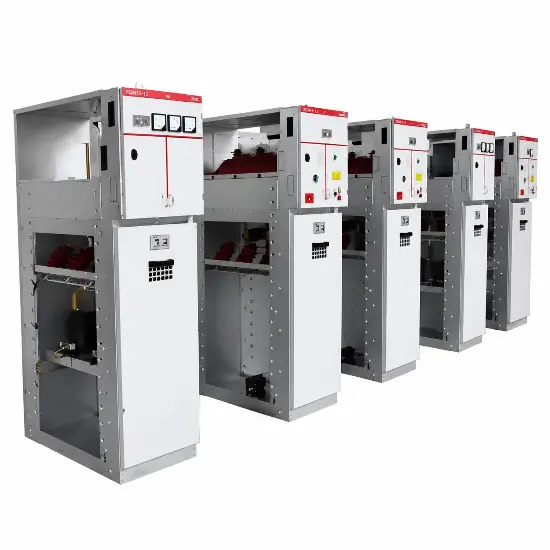
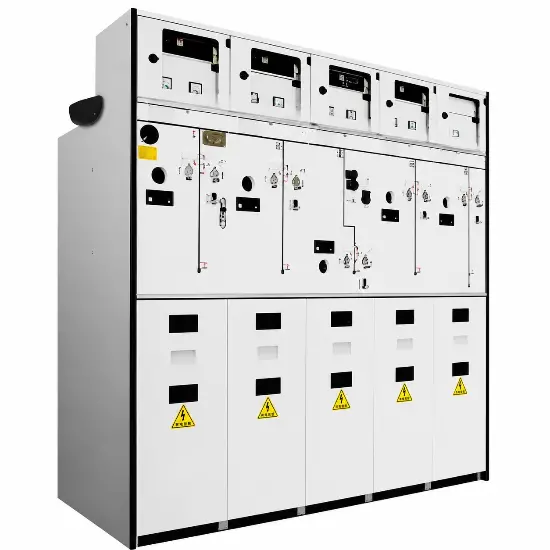
In power systems, metal-enclosed capacitor banks and open-air (open-rack) capacitor banks are the two mainstream structural forms for reactive power compensation. They are not simply "advanced vs. outdated" — each is a differentiated engineering solution tailored to voltage level, capacity scale, environmental conditions, and O&M requirements.
iee-business
 

1. Structural Form & Protection Capability

Aspect Metal-Enclosed Open-Air
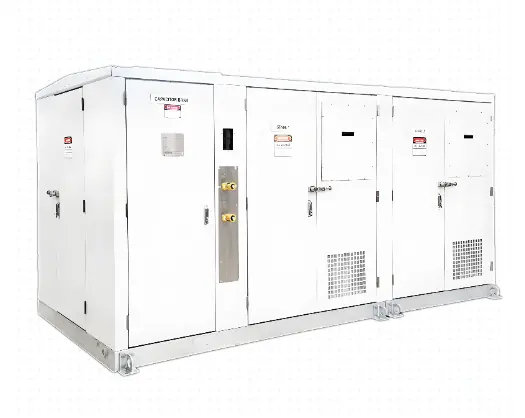
Structure Capacitors, reactors, switches, and protection devices fully enclosed in a metal cubicle, forming an integral unit. Equipment exposed to ambient air; relies on air insulation; supported by steel structures or racks.
Protection Metal enclosure provides IP-rated protection against rain, dust, and small animals. Suitable for harsh outdoor or space-constrained sites. No enclosure; sensitive to environment. Requires safety fencing and adequate clearances. Suited for open sites, high-voltage/large-capacity scenarios.
 

 2. Heat Dissipation & Capacity Adaptability

  • Metal-enclosed — Internal space is limited; heat dissipation constrained by cubicle design. Typically requires forced ventilation or temperature/humidity control. In humid regions, anti-condensation heaters and dew-point control are needed to prevent insulation degradation. Capacity is limited by cubicle dimensions.
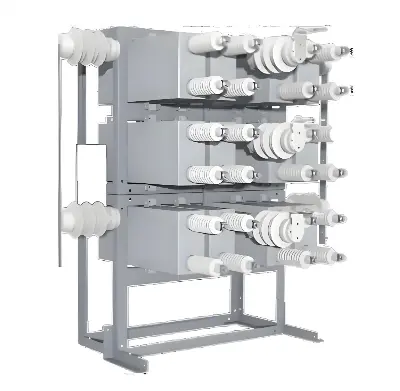
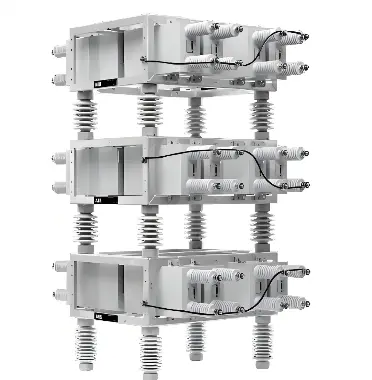
  • Open-air — Equipment directly exposed to air; natural convection provides high cooling efficiency with no heat accumulation. Capacity can be flexibly expanded. Ideal for high-voltage substations, large industrial plants, and other large-capacity applications.

iee-business

Open rack capacitor banks

3. Installation & Maintenance Convenience

  • Metal-enclosed — Factory-assembled, delivered as a complete unit. On-site work limited to lifting, wiring, and commissioning — short construction period. However, internal component maintenance requires opening cubicle doors; some locations may be difficult to access.
  • Open-air — Field-assembled; requires erection of structures, cabling, and commissioning — longer construction period. All components are fully visible; replacement of individual capacitor units or reconfiguration of series/parallel connections is straightforward. O&M is intuitive and efficient.

4. Safety & Operational Reliability

  • Metal-enclosed — Physical isolation prevents accidental contact and foreign-object short circuits. Built-in discharge devices; multi-level protection configurable. High operational safety — especially suited for densely populated or environmentally complex areas.
  • Open-air — Relies on air insulation and safety clearances. Strict operating procedures mandatory. Risks include animal-induced short circuits and pollution flashover. However, simple structure with few failure points yields good long-term operational stability.

5. Cost & Economics

  • Metal-enclosed — Higher unit equipment cost (cubicle, ventilation, control system). Savings on civil works, fencing, and installation labour. Overall project cost must be evaluated case by case.
  • Open-air — Lower equipment cost. Requires supporting structures, fencing, foundations, and larger land area. Suited for large-scale projects or those with long-term capacity expansion needs.

iee-businessHigh‑Voltage Open rack capacitor banks

6. Typical Application Scenarios

Metal-Enclosed Open-Air
Urban distribution substations High-voltage substations
Solar PV plants Large industrial/mining enterprises
Wind farms Grid-level reactive power compensation centres
Industrial parks  
Railway traction substations  
Coastal or heavily polluted areas  

 7. Selection Decision Guidelines

Use the following principles for preliminary selection:

  • Medium/low voltage, smaller capacity, space-constrained → prefer metal-enclosed
  • High voltage, large capacity, ample site → prefer open-air
  • Coastal salt-fog areas, heavy industrial pollution → metal-enclosed protection advantage clear; open-air requires enhanced insulation and anti-corrosion design
  • High-altitude regions — both structures must account for reduced air density affecting insulation and cooling. Open-air needs increased insulation clearances; metal-enclosed requires verification of internal electrical clearances.
 

8. Core Comparison at a Glance

Comparison Dimension Metal-Enclosed Open-Air
Protection Metal enclosure; rain/dust/animal proof No enclosure; relies on safety clearances & fencing
Cooling Requires ventilation or T/H control Natural convection; high efficiency
Capacity Range Medium/small Large
Installation Factory-prefabricated; lift into place Field-assembled; longer schedule
Maintenance Internal access via cubicle doors All components visible; easy unit replacement
Safety Physical isolation; anti-misoperation Relies on safety distance management
Footprint Compact Large
Economics Higher unit cost; overall cost project-specific Lower equipment cost; higher civil/land cost

Summary

Metal-enclosed capacitor banks emphasise integration, protection, and rapid installation — ideal for medium/small projects with complex environments, space constraints, and high safety requirements.

Open-air capacitor banks excel in high capacity, superior heat dissipation, and easy expansion — better suited for high-voltage, large-capacity, long-life grid-level projects.

In practice, selection should comprehensively consider voltage level, capacity demand, environmental conditions, O&M capability, and investment budget to choose the most suitable structure, achieving safe, economical, and efficient reactive power compensation.

Edited From:Noah 

Give a tip and encourage the author!

Comments

Share your question or perspective
WhatsApp
Send inquiry
+86
Click to upload file
Download
Get the IEE Business Application
Use the IEE-Business app to find equipment, obtain solutions, connect with experts, and participate in industry collaboration anytime, anywhere—fully supporting the development of your power projects and business.
Login
or continue with
New here?
Register