What is a short circuit in a transformer?

A transformer short circuit occurs when a low-impedance path unexpectedly forms between two points of different potentials within or outside the transformer, leading to a sudden and significant increase in current. This situation can cause severe damage to the transformer and related equipment. The following provides a detailed explanation of transformer short circuits, including what happens during a short circuit and how to prevent or reduce the occurrence of short circuits.
What is a Transformer Short Circuit?
Transformer short circuits can be categorized into two main types:
Internal Short Circuit: Occurs within the transformer, typically between windings or between windings and the core or casing.
External Short Circuit: Occurs outside the transformer, typically between the primary or secondary side and ground, or between different windings.
What Happens During a Short Circuit?
Sudden Current Surge: During a short circuit, the current increases dramatically, far exceeding the normal operating current. This leads to a rapid rise in temperature within and around the transformer.
Thermal Damage: High temperatures can cause the insulation materials to age rapidly or melt, further exacerbating the short circuit condition.
Mechanical Stress: The massive current generates strong electromagnetic forces, which can cause deformation or damage to the transformer windings.
Voltage Drop: A short circuit can cause a drop in system voltage, affecting the normal operation of other devices.
Activation of Protective Devices: The short circuit current typically triggers protective devices such as circuit breakers and fuses, cutting off the power supply to prevent further damage.
Fire and Explosion: In extreme cases, a short circuit can lead to a fire or explosion in the transformer, causing significant property damage and potential injury.
How to Prevent or Reduce Short Circuits
Regular Maintenance and Inspection:
Insulation Testing: Conduct regular insulation resistance tests to ensure the integrity of the insulation materials.
Temperature Monitoring: Use temperature sensors to monitor the transformer's temperature and detect anomalies early.
Visual Inspection: Regularly inspect the transformer's exterior for signs of obvious damage or corrosion.
Use High-Quality Insulation Materials:
High-Temperature Resistant Materials: Choose insulation materials that are resistant to high temperatures and corrosion to enhance the transformer's durability.
Timely Replacement: Replace aged insulation materials promptly to prevent degradation of insulation performance.
Install Protective Devices:
Circuit Breakers: Install appropriate circuit breakers to ensure that the power supply is quickly cut off in the event of a short circuit.
Fuses: Use fuses as an additional protective measure to prevent excessive current flow.
Relay Protection: Install relay protection devices to monitor changes in current and voltage and take protective actions promptly.
Proper Installation and Operation:
Standard Installation: Follow the manufacturer's guidelines for installation to ensure all connections are secure and reliable.
Avoid Overloading: Ensure that the transformer's load does not exceed its rated capacity to avoid overloading.
Environmental Control: Keep the area around the transformer clean to prevent the ingress of dust, moisture, and other contaminants.
Use Advanced Monitoring and Diagnostic Techniques:
Online Monitoring: Use online monitoring systems to continuously track the transformer's operating status and detect potential issues early.
Fault Diagnosis: Utilize fault diagnosis techniques to analyze the transformer's operational data and predict and prevent faults.
Summary
A transformer short circuit is a serious electrical fau lt that can cause significant damage to the transformer and related equipment, and even lead to fires and explosions. By conducting regular maintenance and inspections, using high-quality insulation materials, installing protective devices, ensuring proper installation and operation, and employing advanced monitoring and diagnostic techniques, the occurrence of short circuits can be effectively prevented or reduced.
-
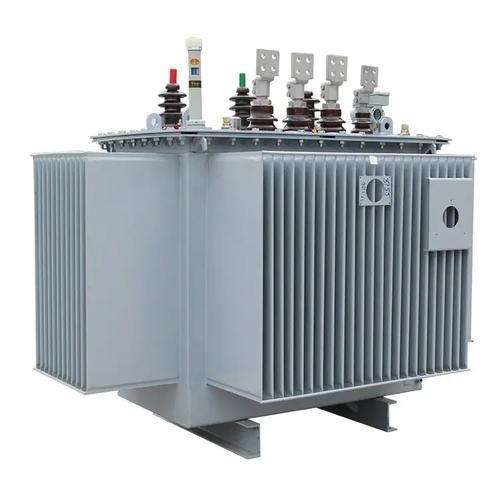
13.2kV 13.8kV 14.4kV 19.92kV IEC Standard voltage regulator control compliant for Industrial Manufacturing Industry

-
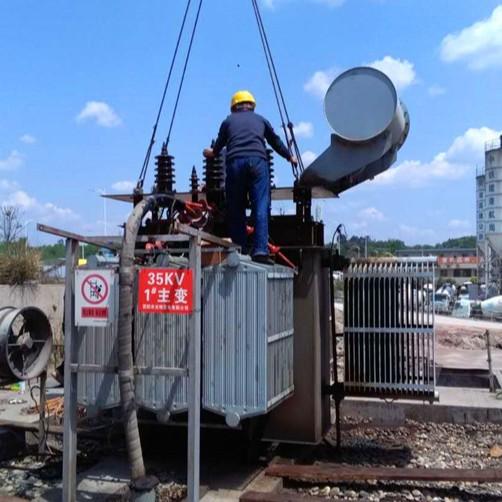
Voltage stabilization and compensation overhead voltage regulator 6kV 6.35kV 11kV 15kV 22kV 33kV – IEEE for Power Industry

-
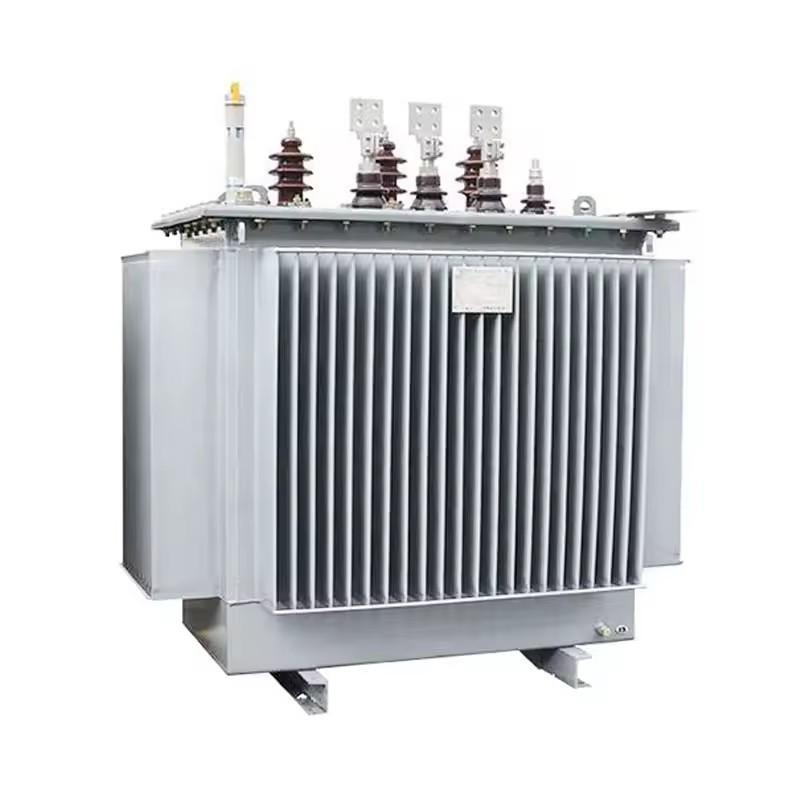
6.35kV 13.2kV 14.4kV 22kV 33kV Oil-immersed self-cooled induction voltage regulator source manufacturer

-
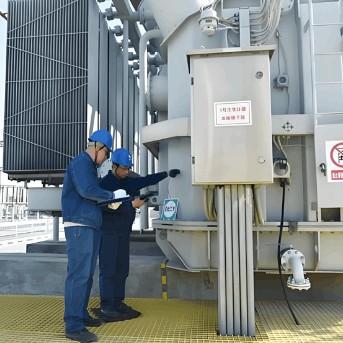
Automatic Tap - Changing Voltage Regulator – 7.62 kV 11kV 13.8 kV 14.4 kV 19.92 kV 34.5 kV, IEEE compliant for Power Industry