Search


How a Single-Stack Variable Reluctance Stepper Motor Works: Stator, Rotor, and Phases

Discover the construction and operation of single-stack variable reluctance stepper motors with salient-pole stators and rotor alignment via magnetic fields.

Edwiin
Field: Power switch
10Year<
China
Add us on Google

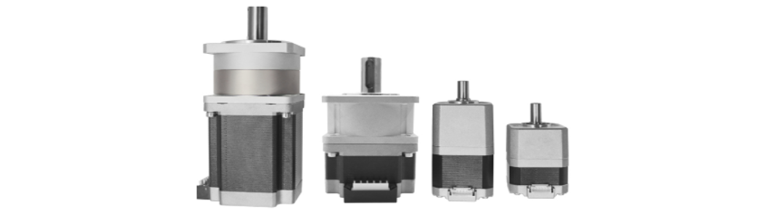
A single-stack variable reluctance stepper motor features a salient-pole stator with concentrated windings mounted directly on the stator poles. The number of phases is determined by the connection configuration of these windings, typically comprising three or four windings. The rotor is constructed from ferromagnetic material and contains no windings.

How a Single-Stack Variable Reluctance Stepper Motor Works: Stator, Rotor, and Phases

Both the stator and rotor are made of high-quality, high-permeability magnetic materials, requiring only a small exciting current to produce a strong magnetic field. When a DC source is applied to a stator phase via a semiconductor switch, a magnetic field is generated, causing the rotor axis to align with the stator field axis.

Give a tip and encourage the author!

Comments

Share your question or perspective
WhatsApp
Send inquiry
+86
Click to upload file
Download
Get the IEE Business Application
Use the IEE-Business app to find equipment, obtain solutions, connect with experts, and participate in industry collaboration anytime, anywhere—fully supporting the development of your power projects and business.
Login
or continue with
New here?
Register