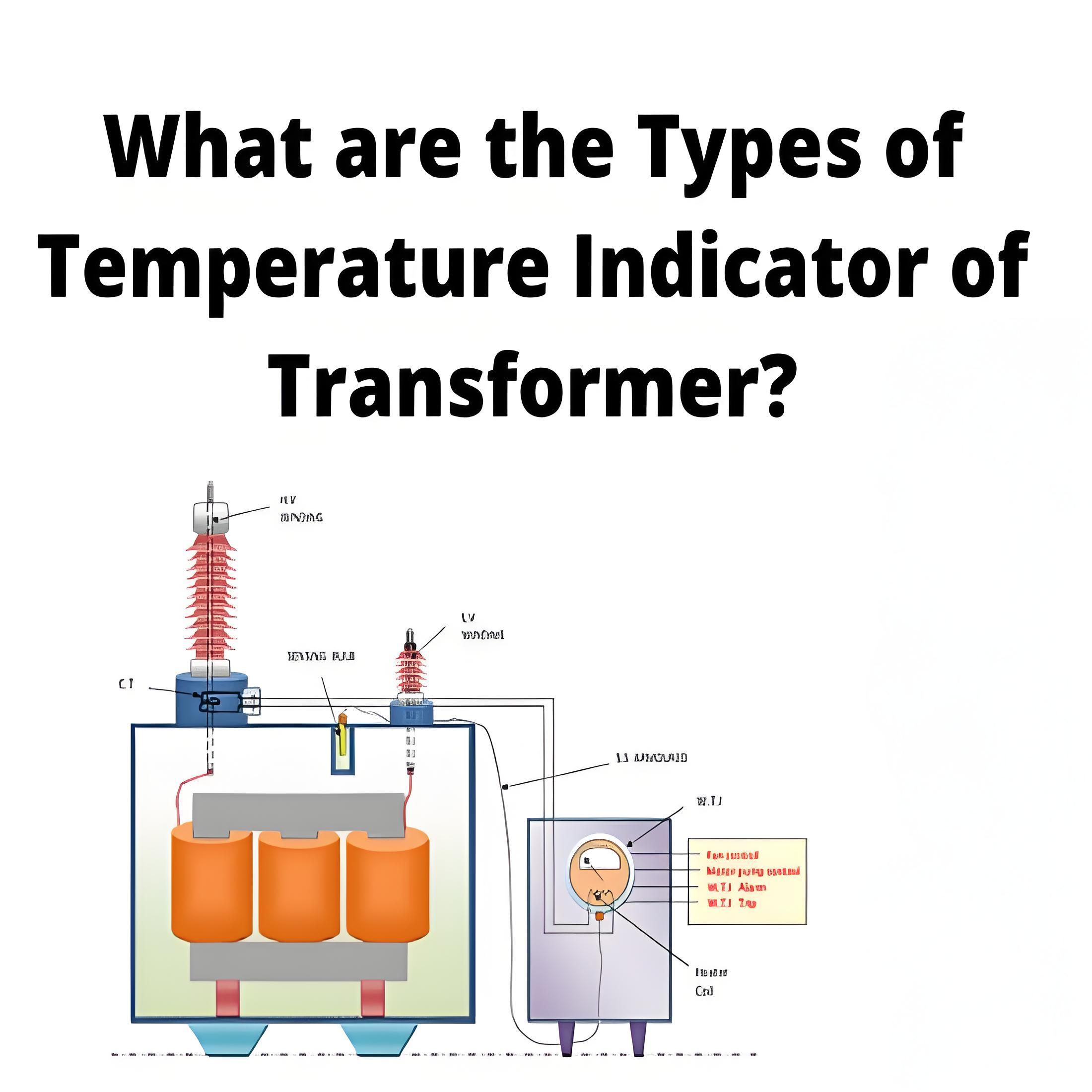
Impact of Temperature Changes on Transformer Performance
The influence of temperature changes on transformer performance is mainly reflected in the following aspects:
Insulation Material Aging
High Temperature: High temperatures accelerate the aging of internal insulation materials in transformers, reducing their insulating properties and increasing the risk of faults.
Low Temperature: Low temperatures can make insulation materials brittle, leading to cracks, which also affects insulation effectiveness.
Winding Resistance Changes
Temperature Increase: Rising temperatures cause an increase in winding resistance, leading to higher copper losses and reduced transformer efficiency.
Temperature Decrease: Lower temperatures reduce winding resistance, decreasing copper losses. However, low temperatures may affect the mechanical properties of materials.
Oil Temperature Changes
High Oil Temperature: Excessively high oil temperatures accelerate oil oxidation, reducing its insulating and cooling properties.
Low Oil Temperature: Very low oil temperatures increase oil viscosity, affecting oil flowability and cooling efficiency.
Load Capacity
High Temperature Environment: In high-temperature environments, the load capacity of transformers decreases because overheating must be avoided to prevent damage.
Low Temperature Environment: In low-temperature environments, the load capacity of transformers may improve slightly, but attention must still be paid to mechanical strength issues.
Thermal Expansion and Mechanical Stress
Cooling System Efficiency
High Temperature: In high-temperature environments, the efficiency of cooling systems may decrease, making it difficult to effectively dissipate heat.
Low Temperature: In low-temperature environments, cooling systems may overcool, resulting in excessively low oil temperatures.
Lifespan Reduction
Therefore, properly controlling the operating temperature of transformers and ensuring they operate within design parameters is crucial for maintaining transformer performance and extending their service life.

 Login