Search


Dynamics of Electrical Drives

Encyclopedia
Field: Industry News
Electrical Engineer
10Year<
China

Dynamics of Electrical Drives Definition

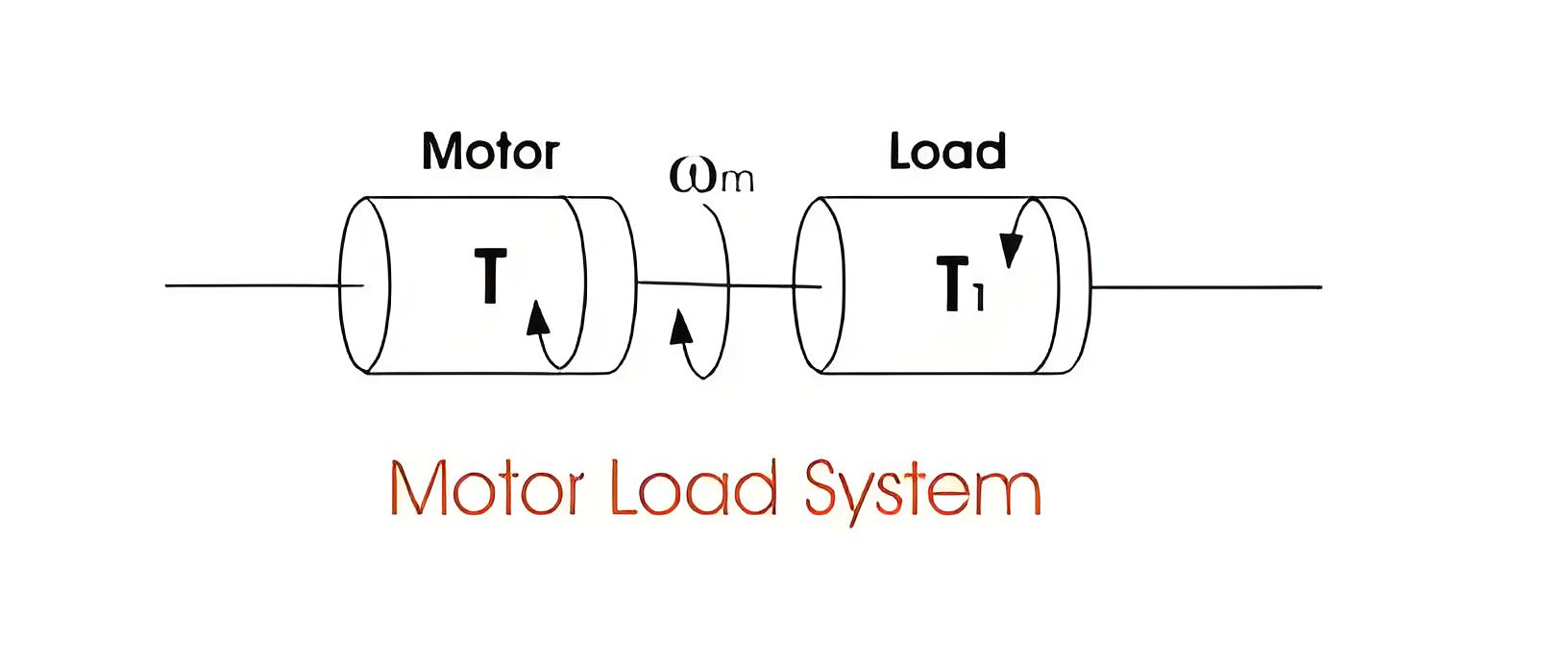
The dynamics of electrical drives explain how motors and loads interact, especially when their speeds differ.

e991ea2bf214261061dd41b81c755e9c.jpeg

Key Components

Important components include the polar moment of inertia (J), angular velocity (Wm), motor torque (T), and load torque (T1).

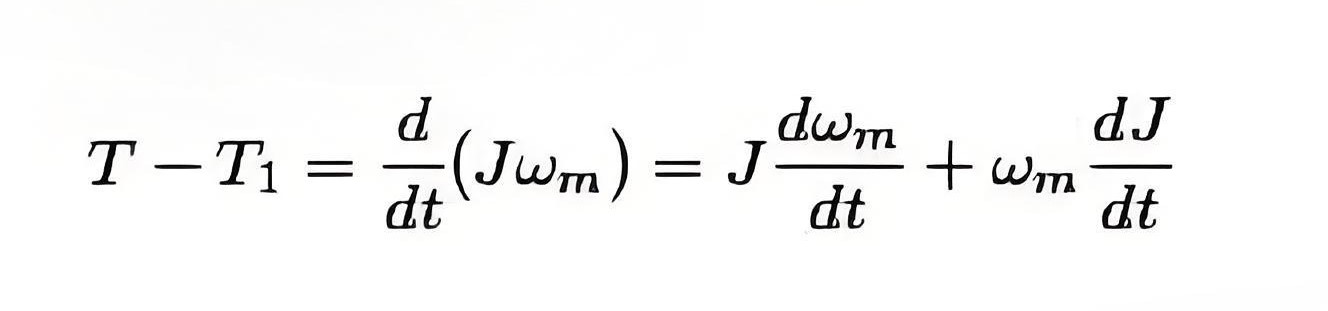
Fundamental Torque Equation

This equation shows that motor torque balances load torque and dynamic torque, which is crucial during changes in motion.

J = Polar moment of inertia of motor load

Wm = Instantaneous angular velocity

T = Instantaneous value of developed motor torque

T1 = Instantaneous value of load torque referred to motor shaft

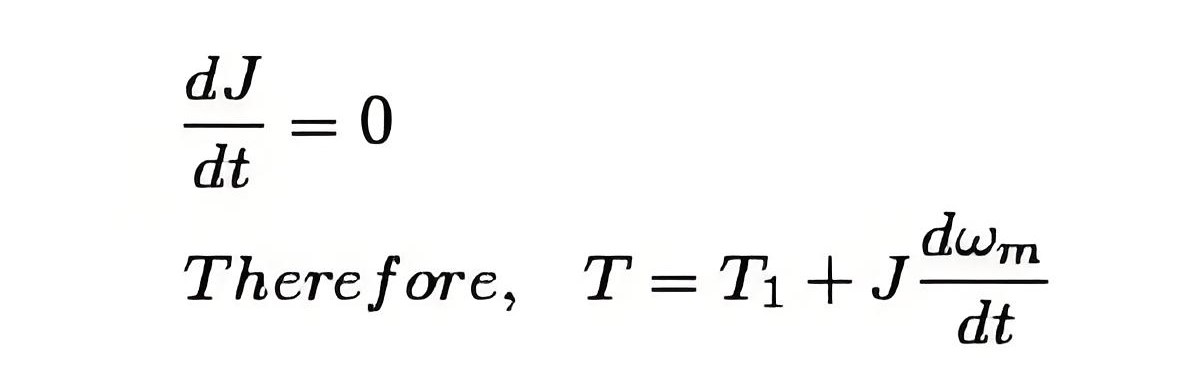
Now, from the fundamental torque equation –For drives with constant inertia,

5c0c8929cfa3223638c12a501f366bb6.jpeg

47bc35b1c44632e007a272777a684a1a.jpeg

Dynamic Torque

Dynamic torque, J(dωm/dt), appears only during transient operations like starting or stopping, indicating acceleration or deceleration.

Impact on Motion

By analyzing dynamic torque, we can determine if the motor is accelerating or decelerating, which is essential for efficient drive operation.

Give a tip and encourage the author!

Comments

Share your question or perspective
WhatsApp
Send inquiry
+86
Click to upload file
Download
Get the IEE Business Application
Use the IEE-Business app to find equipment, obtain solutions, connect with experts, and participate in industry collaboration anytime, anywhere—fully supporting the development of your power projects and business.
Login
or continue with
New here?
Register