Application of Distribution Transformers in Urban and Rural Power Grids
Application of Distribution Transformers in Urban and Rural Power Grids
I. Application in Urban Power Grids
Core Role in Distribution Systems
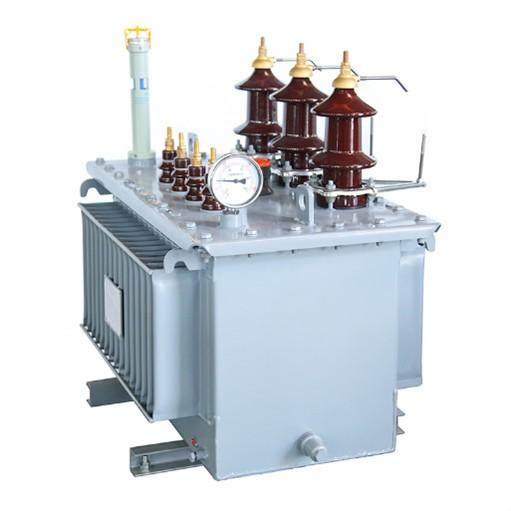
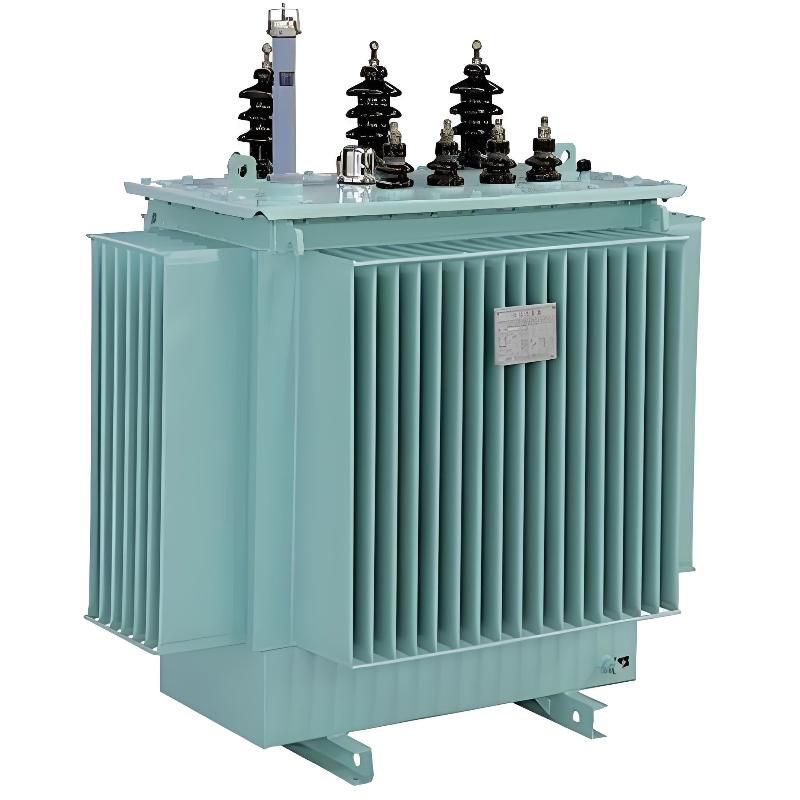
Distribution transformers are pivotal in urban power grids, converting high-voltage transmission line power to low-voltage distribution voltages (e.g., 380V/220V) for direct supply to residential, commercial, and industrial users. Distributed layouts ensure stable and reliable power supply across urban areas.Energy Efficiency and Intelligence
Urban grids demand high-efficiency transformers with materials like amorphous alloy cores to reduce no-load losses. Smart transformers enable remote monitoring, automatic voltage regulation, and real-time grid optimization, enhancing power quality.High-Density Load Adaptation
Urban areas feature high power density, requiring transformers with high overload capacity. Modular designs allow flexible capacity expansion to meet growing electricity demands driven by rapid urbanization.Environmental Adaptability and Aesthetics
Urban transformers must integrate with the environment, using compact designs like pad-mounted stations to minimize land use. They incorporate dustproof, moisture-resistant, and noise-reducing features for operation in complex urban settings.

II. Application in Rural Power Grids
Addressing Voltage Fluctuations
Rural grids suffer from long lines and dispersed loads, leading to voltage instability. Distribution transformers reduce line losses through localized step-down supply, improving end-user voltage quality and ensuring stable operation of rural appliances.Cost-Effectiveness and Maintainability
Rural grids prioritize affordability. Single-phase transformers are cost-efficient due to lower material usage and losses. Their simple installation and maintenance facilitate rapid fault repair, suitable for areas with limited technical expertise.Renewable Energy Integration
With the rise of distributed solar and wind power in rural areas, transformers must support bidirectional power flow and grid interconnection. Enhanced anti-interference capabilities are needed to handle intermittent loads characteristic of rural grids.Policy-Driven Upgrades and Capacity Expansion
Rural revitalization policies drive grid upgrades, with transformer capacity expansion (e.g., from 50kVA to 100kVA) addressing overloading and supporting large-scale agricultural production.

III. Trends and Challenges
Intelligence and Digitalization
Future transformers will integrate more sensors and communication modules for real-time condition monitoring, fault prediction, and remote control, advancing grid intelligence.Environmental Sustainability
Adoption of eco-friendly insulation materials and optimized cooling systems reduces environmental impact throughout the transformer lifecycle, aligning with carbon neutrality goals.Standardization and Modularity
Unified technical standards promote standardized production, while modular designs enable rapid deployment and scalability to meet diverse urban-rural needs.Addressing Renewable Energy Challenges
As renewable energy penetration increases, transformers must accommodate wider voltage regulation ranges and stronger surge resistance to ensure grid stability.
Distribution transformers serve as "power hubs" in urban and rural grids, with their technological evolution closely tied to regional electricity characteristics and policy frameworks, driving grids toward efficiency, intelligence, and sustainability.