
• Product
  • Suppliers
  • Manufacturers
  • Solutions
  • Free tools
  • Knowledges
  • Experts
  • Communities
Search


Disconnectors vs. Circuit-Breakers: Core Differences and Physical Limits

Rockwill
Field: Manufacturing
10Year<
China
 
In the daily operation and maintenance of power systems, circuit breakers and isolators (or disconnectors) often go hand in hand. Although they look similar, their roles are worlds apart. Confusing their functional boundaries can easily lead to severe safety incidents.
iee-business

1. Core Difference: Function and Arc-Extinguishing Capability

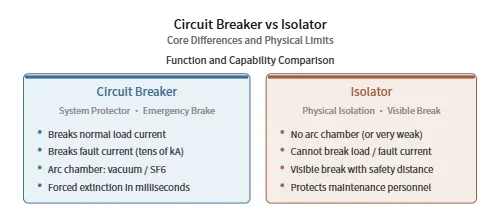
Circuit-breakers are the workhorses and emergency brakes of the power system. With strong arc-extinguishing capability, they can make, carry and break normal load current at will — and when a serious fault such as a short-circuit occurs, they can interrupt fault current of tens of kiloamperes within milliseconds, protecting both the equipment and the network.

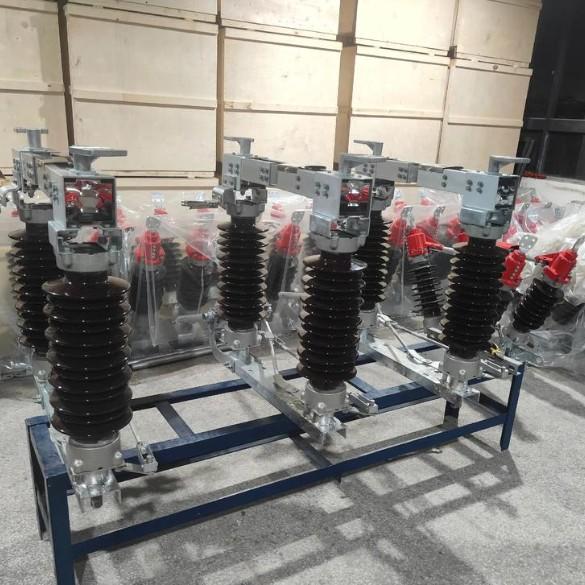
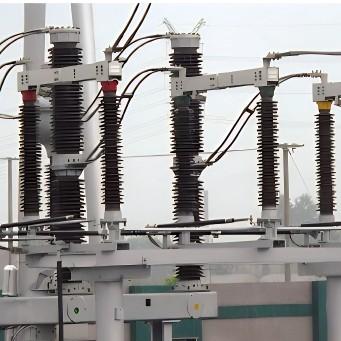
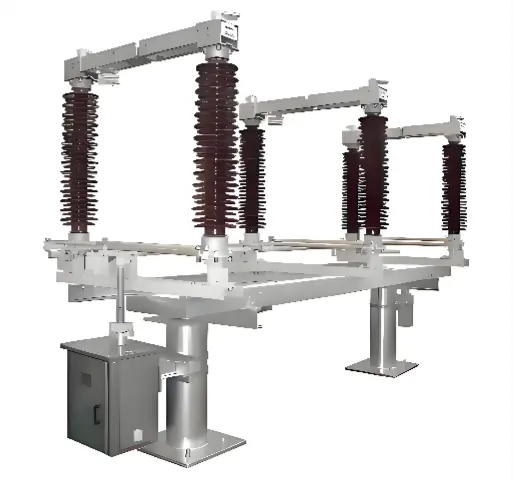
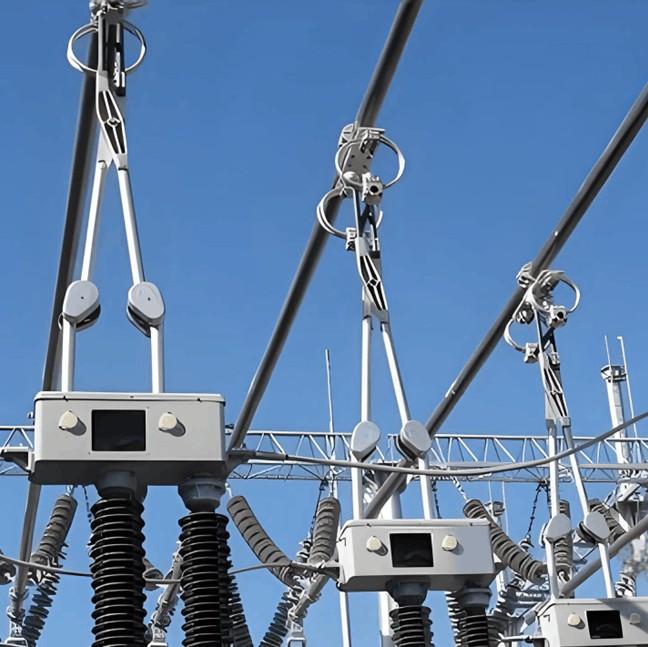
Disconnectors are the physical isolation safeguard of the power system. They have no arc-extinguishing device (or only a very weak one). Their job is not to interrupt current, but to provide a clearly visible isolating gap with enough insulation distance once the circuit has already been opened by a circuit-breaker — so that maintenance personnel are completely separated from live parts and kept safe.

iee-business

2. Why Can a Disconnector Not Break Load Current or Short-Circuit Current?

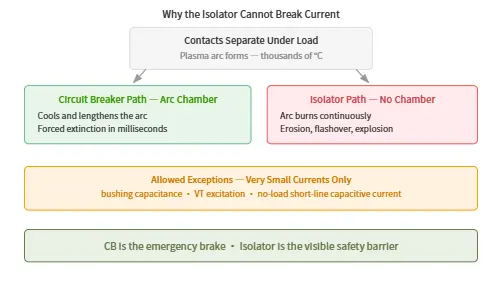
The fundamental reason a disconnector must never be operated under load is that it has no dedicated arc-extinguishing device.

When the contacts of a disconnecting device part while load or short-circuit current is still flowing, the insulation medium between the contacts breaks down, and a conductive plasma arc is struck at a temperature of several thousand degrees Celsius.

  • For a circuit-breaker: there is a dedicated arc-quenching chamber (vacuum, SF₆ gas, etc.), which cools and stretches the arc through a range of physical mechanisms, forcing it to extinguish within a very short time.
  • For a disconnector: without an arc-quenching chamber, once pulled open under load, the intense arc cannot extinguish on its own and keeps burning. The result can be severe contact erosion, insulator puncture, and even phase-to-phase arcing (flashover), equipment explosion, and danger to the operator. In power-system practice, pulling a disconnector under load is a serious mal-operation.

Note: Under strict power-industry rules, a disconnector must never break load current, but under specific conditions it may switch extremely small currents — such as the capacitive current of a busbar (by-pass) circuit, the excitation current of a voltage transformer, or the capacitive current of a short unloaded line.

iee-business

3. The Strict Sequence of Co-ordinated Operation

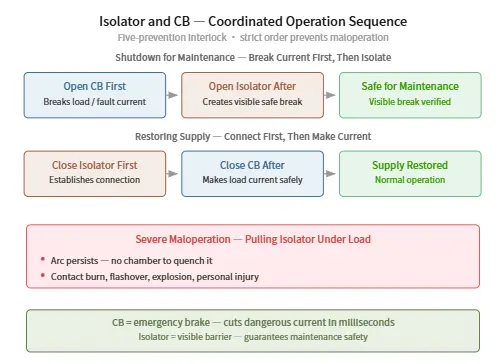
Because of the physics above, the disconnector and the circuit-breaker must be used strictly together, following the five anti-misoperation interlocks:

  • For outage and maintenance: first open the circuit-breaker (interrupting the load current), then open the disconnector (establishing a visible gap).
  • For restoring supply: first close the disconnector (re-establishing the electrical connection), then close the circuit-breaker (applying the load current).

iee-business

Summary

The circuit-breaker and the disconnector form an indispensable "double safeguard" in the power system. The circuit-breaker is the emergency brake that actively interrupts dangerous currents in milliseconds when a fault strikes; the disconnector is the physical barrier that, once the current has been interrupted, puts up a "visible safe zone" for maintenance work.

Understanding where each one's function ends and how they must work together is the foundation for preventing mis-operation and protecting both personnel and the network.

Edited From: Garca

Give a tip and encourage the author!

Comments

Share your question or perspective
WhatsApp
Send inquiry
+86
Click to upload file
Download
Get the IEE Business Application
Use the IEE-Business app to find equipment, obtain solutions, connect with experts, and participate in industry collaboration anytime, anywhere—fully supporting the development of your power projects and business.
Login
or continue with
New here?
Register