1. Fault Cases
Case 1 (July 16, 2024)
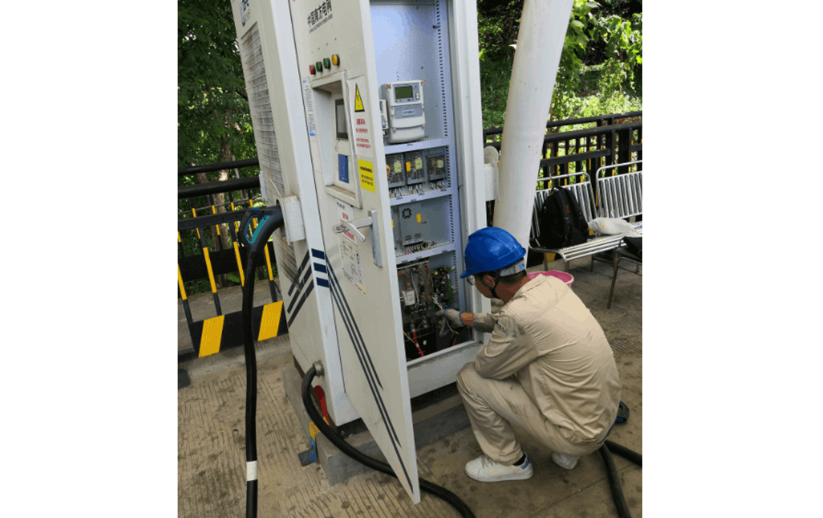
A district manager got a report of a charging pile outage at a square, affecting users and appliances. I, with O&M staff, found the pile was dead but charged EVs normally—yet the neutral wire/cabinet was live.
Inspection steps:
Relays, contactors, AC contactors checked → switching power supply had no output.
Inverter, fuse, AC power tested → live current detected.
Internal check: AC power and modules normal; secondary wiring intact.
Cooling fan test: Fan ran but was live. Replacing a faulty fan (damaged coil, leakage) restored full function (8.5kW load, 4 - hour test).
Case 2 (August 5, 2024)
A village user reported a dead display/non - charging pile. Local O&M restarted it unsuccessfully, so I called for support.
Company O&M found:
Abnormal three - phase voltage (L1 - N: 0V; L2/L3 - N: 360V; L1 - L3: 360V) → suspected phase fault.
Auxiliary switch: stable components but unstable voltage. Reconnection/test still left neutral/ground live. Pole - climbing adjustments and equipment replacement failed.
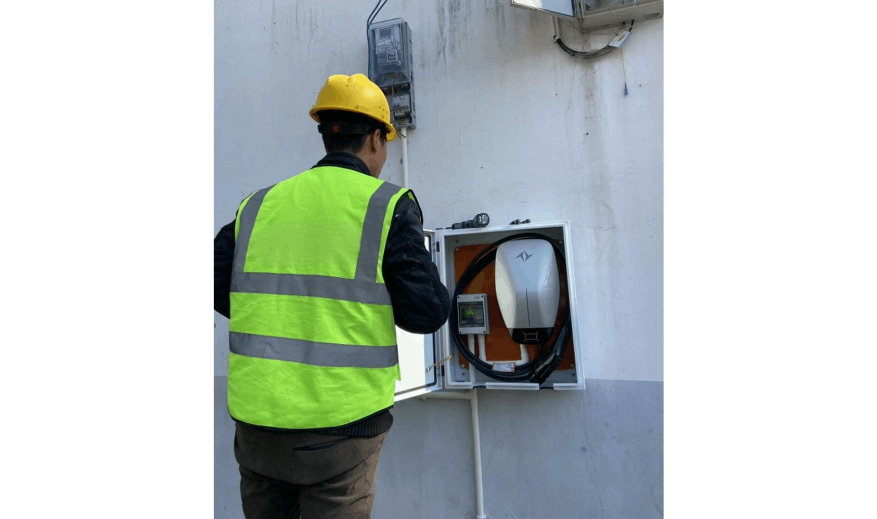
Via coordination and villagers’ info, we learned the former farmland’s underground cables were damaged (likely from poor construction/stone rolling). Replacing 30+ meters of 35mm² cable fixed voltages/electronics. The fault traced to the transformer - to - pile cable; replacing the main cable restored normalcy.
2. Fault Analysis
Case 1: Cooling fan insulation failure (leakage). Fan issues (non - rotation, noise) stem from inherent quality defects.
Case 2: Non - standard construction (no proper piping, no “buried cable” mark). The civil team failed to contact O&M or report post - work, causing the fault.
3. Lessons & Tips
For front - line workers, regular checks, careful observation, and timely defect fixes are key (these faults had early signs but worsened due to neglect). Root - cause analysis needs on - site context/construction history.
Suggestions:
Connect auxiliary power from the main switch output; add residual current - protected breakers for hierarchical control. Build a platform for fault monitoring.
Construction: Follow drawings strictly. Design inspection interfaces; use protected switches. Manage processes and pre - commissioning checks.
Regular O&M patrols. Clarify team roles; ban excavator work above pile cables.
Manufacturers: Fast after - sales response. Do annual preventive tests; enforce accountability for faults.

 Login