Differences Between Centralized and Distributed Photovoltaic (PV) Power Plants
A distributed photovoltaic (PV) power plant refers to a power generation system that consists of multiple small-scale PV installations deployed across various locations. Compared to traditional large-scale centralized PV power plants, distributed PV systems offer the following advantages:
Flexible Layout: Distributed PV systems can be flexibly installed based on local geographic conditions and electricity demand—in diverse spaces such as rooftops, parking lots, industrial sites, and more.
Easy Grid Connection: Since distributed PV systems are typically located close to electrical loads, they minimize transmission distance, reducing power losses and the cost of building long-distance transmission infrastructure, thereby improving overall energy efficiency.
Local Power Supply Capability: These systems can directly supply electricity to nearby users, reducing reliance on the main grid and enhancing local power reliability.
System Stability and Reliability: Composed of multiple independent small-scale units, a distributed PV system ensures that the failure of one unit does not significantly impact the entire system—improving overall resilience and operational stability.
Renewable Energy Utilization: Distributed PV harnesses solar energy through photovoltaic technology, making it a clean, environmentally friendly energy source that reduces dependence on fossil fuels.
Support for Energy Transition: Widespread adoption of distributed PV accelerates the transformation of the energy mix, decreases reliance on conventional energy sources, and contributes to sustainable development.
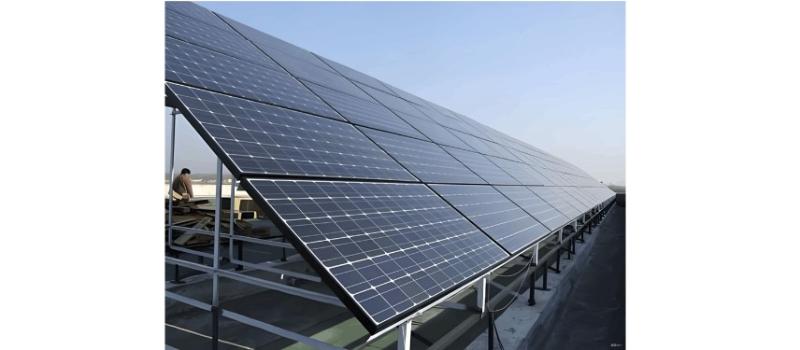
In contrast, centralized PV power plants are large-scale facilities built in remote, high-solar-irradiance areas (e.g., deserts), where electricity is generated in bulk and transmitted over long distances to load centers via high-voltage transmission lines. While efficient in scale, they involve higher transmission losses, greater infrastructure investment, and less flexibility in siting and integration with end-users.

 Login










