Voltage difference, also known as electric potential difference, is a measure of the work done per unit charge to move a test charge between two points in an electric field. It represents the energy required to move a unit positive charge from one point to another within an electric circuit or field. Voltage difference is what drives the flow of electric current in a circuit.
When we talk about voltage difference, we are essentially talking about the difference in electric potential between two points. This difference can cause charges to flow if a conducting path exists between those two points. In practical terms, voltage difference is what causes current to flow through a conductor when connected in a closed loop.
Units of Voltage Difference
The standard unit for measuring voltage difference is the volt (V). The volt is named after the Italian physicist Alessandro Volta, who invented the voltaic pile, one of the earliest forms of electrical batteries.
Definition of Volt
One volt (V) is defined as the potential difference that will impart one joule (J) of energy to one coulomb (C) of charge as it moves between the two points. Mathematically, this can be expressed as:
1 volt=1 joule per coulomb
Or in SI base units
1 V=1 J/C
This means that if you have a voltage difference of one volt, moving one coulomb of charge between the two points will require one joule of work.
Practical Examples
Here are some practical examples to illustrate the concept of voltage difference
Battery Voltage
A typical AA battery has a voltage difference of 1.5 volts. This means that when you connect a circuit across the terminals of the battery, the electric potential difference between the positive and negative terminals is 1.5 volts.
Household Electricity
In many countries, household electricity supply provides a voltage difference of approximately 120 volts (in North America) or 230 volts (in Europe). This voltage difference is used to power various appliances and devices within homes.
Electronic Devices
Most modern electronic devices like smartphones and laptops use batteries with voltage differences ranging from 3.7 volts to higher values, depending on the device.
Measuring Voltage Difference
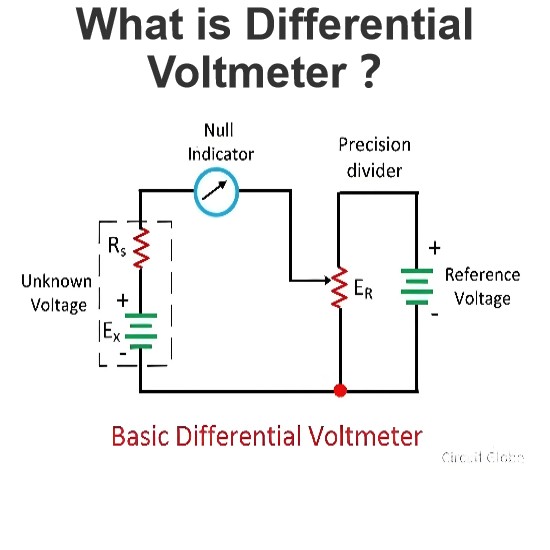
To measure voltage difference, you would use a voltmeter. A voltmeter is an instrument designed to measure the potential difference between two points in a circuit. When connected correctly in parallel with the component of interest, a voltmeter displays the voltage difference across that component.
Summary
Voltage difference is a fundamental concept in electricity, representing the electric potential difference between two points. It is measured in volts, where one volt corresponds to the potential difference that will do one joule of work per coulomb of charge moved between the two points. Understanding voltage difference is crucial for analyzing and designing electrical circuits and systems.

 Login