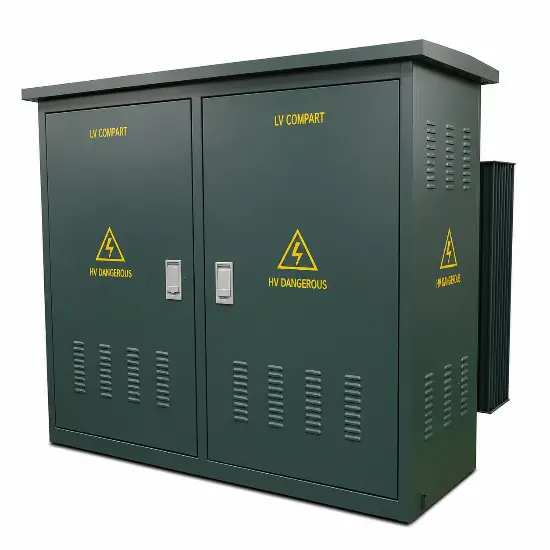
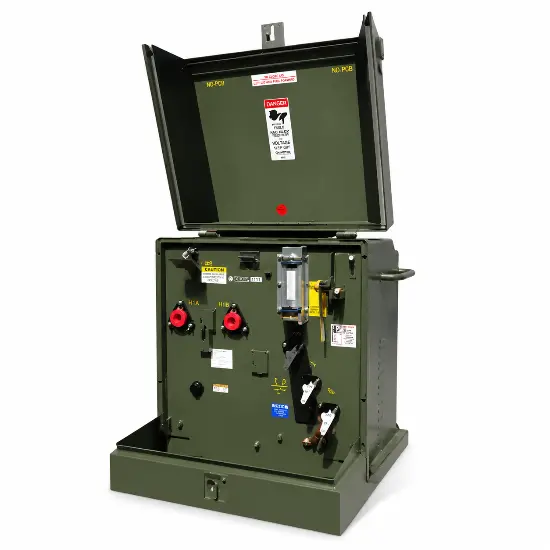
American-style pad-mounted transformer oil level drop? Learn to identify high‑frequency leakage points, root causes, and field handling techniques for reliable operation.

The high-frequency leakage points of pad-mounted transformers are concentrated in four areas: aged seals (accounting for over 60% of faults), weld and casting defects, plug-in fuse compartment seals, and accessory and cooling component connections. Each area has distinct causes and corresponding inspection methods that together form a systematic inspection framework.
| Leakage Point | Typical Cause | Key Inspection Items |
|---|---|---|
| Aged Seal Locations | Seal aging, cracking, or deformation (over 60% of faults) | Radiator fin base, bladder/conservator interface, HV/LV bushing gaskets, drain valve and sampling valve flanges |
| Weld and Casting Defects | Porosity, pinholes, incomplete fusion; micro-cracks from thermal cycling | Long tank welds, cast iron components on older units |
| Plug-in Fuse Compartment | Unseated fuse holder or worn sealing ring | Fuse holder seating position, sealing ring condition |
| Accessories and Cooling Components | Loose vent plugs, poor weld roots, degraded gaskets | Radiator fin vent plug, fin joint welds, sensor terminal, junction box flange seal |
The troubleshooting of slow oil level drop follows a three-step logic: trend monitoring first to exclude normal thermal fluctuations, followed by visual and sensory inspection to locate obvious leaks, and finally instrument-based detection using ultrasonic leak detectors for micro-leaks. Handling measures are then selected based on leakage severity.
Graded Handling Measures
| Leak Severity | Action | Follow-up |
|---|---|---|
| Minor seepage | Clean area, apply temporary sealant or polymer repair compound | Document and schedule permanent repair at next planned outage |
| Flange joint seepage | Tighten bolts evenly in diagonal sequence on the energized unit while in service (avoid over-tightening) | If unresolved or worsens, de-energize and depressurize before proceeding |
| Major leakage (aged seal ring) | Transfer load, de-energize, replace seal ring with same specification | Verify seal integrity before re-energization |
| Tank body pinhole or weld crack | Professional re-welding or lead plugging | Conduct pressure test after repair |
Slow oil level drop in pad-mounted transformers is most often caused by seal aging, weld defects, or loose components. The recommended diagnostic sequence is: trend monitoring → visual and sensory inspection → instrument-based detection. Minor seepage is manageable with temporary sealing and planned maintenance, while major leakage demands immediate de-energization and professional repair. Always follow safety protocols including isolation, de-energization, and fire and explosion prevention to protect both personnel and equipment.








 Login