Wc=π×(d/2)2×Gc×N×K1×K2×C
Wi=π×[(Di/2)2−(d/2)2]×Gi×C×K2
Ws=π×[(Do/2)2−(Db/2)2]×Gs
Warmor=π×[(Da/2)2−(Da0/2)2]×Ga
Wtape=π×[(Dt/2)2−(Dt0/2)2]×Gt
Wtotal=Wc+Wi+Ws+Warmor+Wtape
d — Single conductor diameter (mm)
D_i — Insulation outer diameter (mm)
D_b — Outer diameter before sheath (mm)
D_o — Finished cable outer diameter (mm)
D_a, D_{a0} — Armor layer outer/inner diameter (mm)
D_t, D_{t0} — Tape layer outer/inner diameter (mm)
G_c — Conductor material density (Copper 8.89, Aluminum 2.70)
G_i — Insulation material density (PVC ≈ 1.45)
G_s — Sheath material density
G_a — Armor material density
G_t — Tape material density
N — Number of strands per conductor
K₁, K₂ — Lay-up coefficient (typically 1.02–1.05)
C — Number of cores
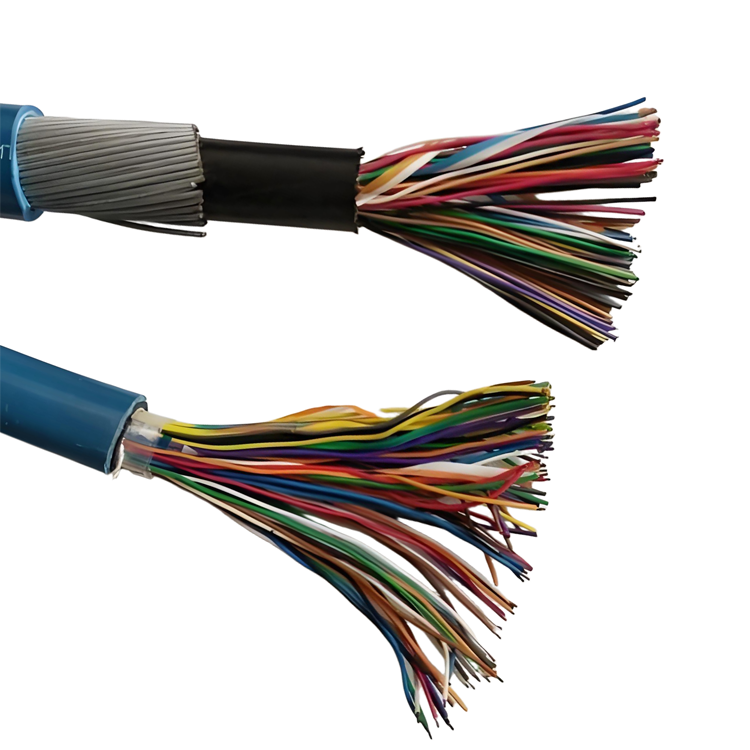
Look up cable conductor diameter, external diameter, and weight per meter/km for PVC, rubber, and multipolar cables. Compliant with IEC 60076 and NEC standards.
"Cable dimension and weight data are essential for selecting conduit size, planning installations, and ensuring structural safety."
Unipolar: consisting of a single conductor.
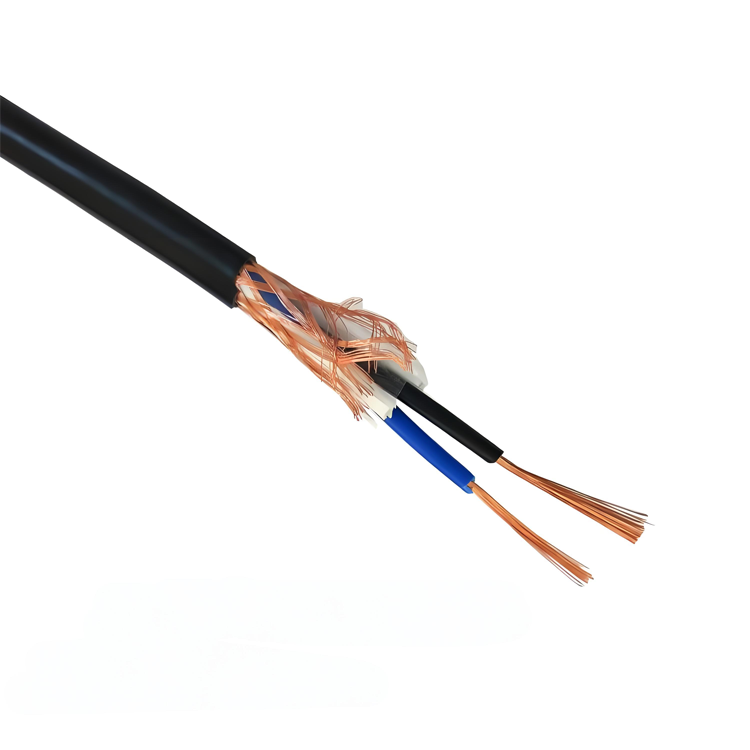
Bipolar: consisting of 2 conductors.
Tripolar: consisting of 3 conductors.
Quadrupolar: consisting of 4 conductors.
Pentapolar: consisting of 5 conductors.
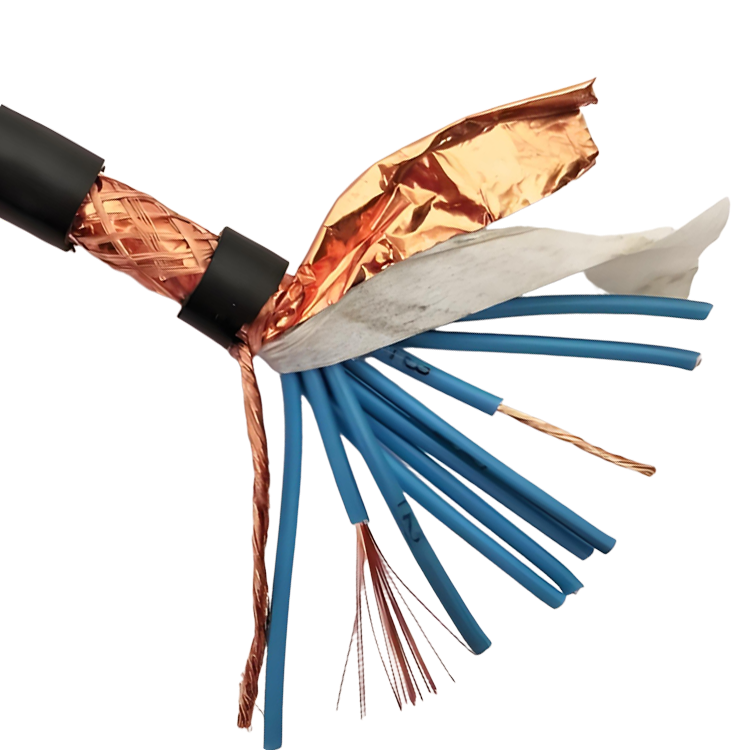
Multipolar: consisting of 2 or more conductors.
| Code | Description |
|---|---|
| FS17 | PVC insulated cable (CPR) |
| N07VK | PVC insulated cable |
| FG17 | Rubber insulated cable (CPR) |
| FG16R16 | Rubber insulated cable with PVC sheath (CPR) |
| FG7R | Rubber insulated cable with PVC sheath |
| FROR | PVC insulated multipolar cable |
Cross-sectional area of the conductor, measured in mm² or AWG.
Determines current-carrying capacity and voltage drop. Larger sizes allow higher currents.
Common sizes: 1.5mm², 2.5mm², 4mm², 6mm², 10mm², 16mm², etc.
Total diameter of the strands of wires within the conductor, measured in millimeters (mm).
Includes all individual strands twisted together. Important for terminal compatibility and connector sizing.
Outside diameter including insulation, measured in millimeters (mm).
Critical for selecting conduit size and avoiding overcrowding. Includes both conductor and insulation layers.
Weight of the cable per meter or per kilometer, including conductor and insulation.
Measured in kg/km or kg/m. Important for structural design, support spacing, and transportation.
Example values:
- 2.5mm² PVC: ~19 kg/km
- 6mm² Copper: ~48 kg/km
- 16mm²: ~130 kg/km
| Parameter | Engineering Use Case |
|---|---|
| Wire Size | Determine ampacity, voltage drop, and circuit protection |
| Conductor Diameter | Ensure proper fit in terminals and connectors |
| External Diameter | Choose correct conduit size and avoid overcrowding |
| Cable Weight | Plan support intervals and prevent sagging |
| Cable Type | Match application needs (fixed vs. mobile, indoor vs. outdoor) |
The conductor diameter refers only to the total diameter of the twisted wire strands inside the conductor, used to determine terminal and connector compatibility. The external diameter includes all outer layers such as insulation and sheath, and is the key basis for selecting conduit size and avoiding overcrowding during installation.
The weight is mainly affected by the conductor material (copper density is about 8.89 g/cm³, aluminum about 2.70 g/cm³), number of cores, insulation material (PVC, rubber, etc.), and whether an armor layer is present. For example, a 16mm² copper cable weighs about 130 kg/km, while an aluminum cable of the same specification is much lighter.
Cable weight data is used to plan support spacing, prevent cable sagging, verify the load capacity of cable trays and hangers, and estimate transportation and installation costs. Accurate weight information helps avoid structural overload and ensures construction safety.








 Login
Login