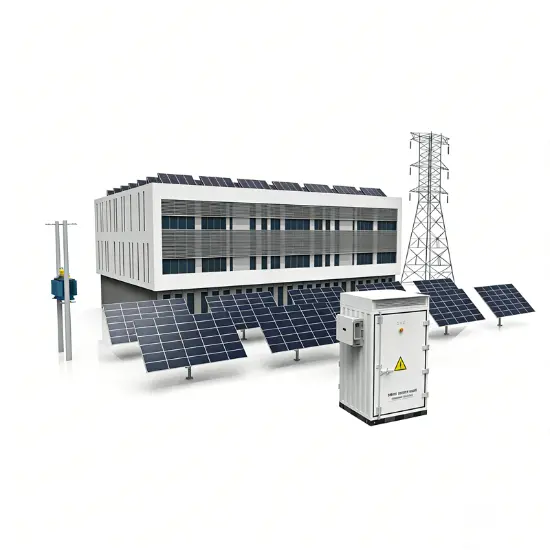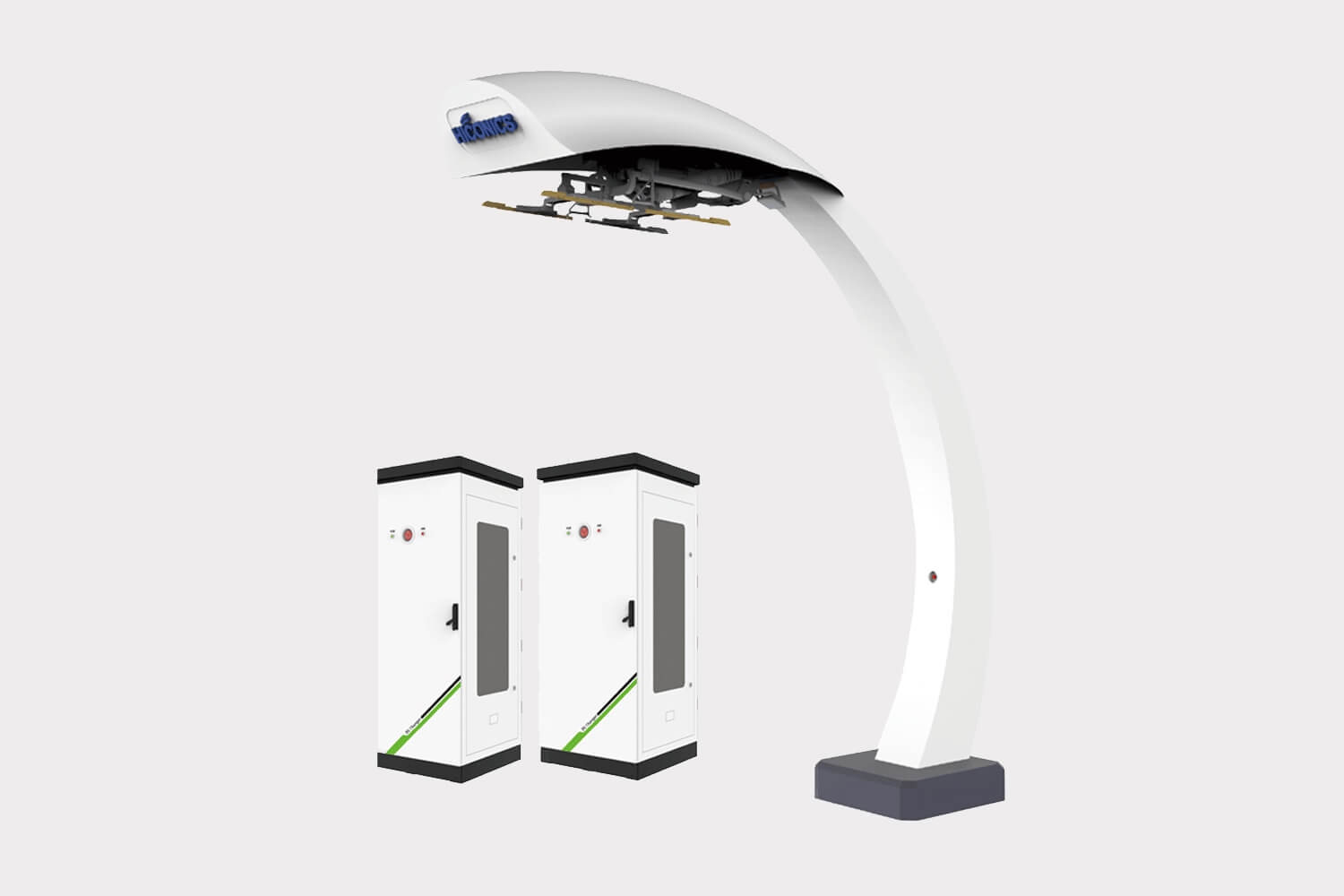
Ⅰ. EV Charger Type Selection: Matching Needs and Scenarios
Portable Charger
• Best for: Gearr iomnata laethúla (≤40 míle), tréimhse parcháil fadtéarmach (mar shampla, luchtú oíche).
• Features:
Úsáideann príosún 120V tíortha ábhair (ní mhaith leis an gcabhlach a nuachóiriú).
Sogras luchtaithe mall (8–20 uair an chloig don bhatar 60kWh).
Wall-Mounted Charger
• Best for: Réiteach príomhbhaile, tacaíonn le haonraibh/mid-reatha (>40 míle/lá), ag brath ar athluchtú luath.
• Features:
Riachtanach cabhlach 240V dedicta (3–5× níos tapúla ná portable).
Aonrad 8kW tipiciúil lánann batar 60kWh in ~8 uair an chloig (3.7–11kW cumas cumhachta).
Feadhnaí smaointeach: Sceidealú luchtaithe, monatóireach app.
• Top choice: Molta do 90% de theaghlaigh (cothrom is fearr idir luas-costas).
Charging Power vs. Time Reference (60kWh Battery)
Cumas |
Ama Luchtaithe |
Grid Comhtharlach |
3.7kW |
16–20 uair an chloig |
Príosún 120V stándard |
7kW |
8–10 uair an chloig |
Faisnéis shingil-phhas 240V (is coitianta) |
11kW |
5–6 uair an chloig |
Riachtanach uasghrádú trí-phhas |
Note: 22kW needs three-phase power; rare in US homes and requires grid modifications. |
Ⅱ. Key Purchasing Factors: Technical Specs & Safety Certifications
Comhtharlacht Leictreach
• Singil- vs. Trí-phhas Cumhacht: Tíortha Mheiriceá go hidirnártha singil-phhas 240V (tacaíonn ≤11kW); trí-phhas riachtanach uasghrádú costasach.
• Capaicithe Painéal: Riachtanach painéal leictreach 200A (uasghrádú ó 100A costas 1,300–3,000 USD).
• Cabhlaigh Dedicta: chargers need 40–60A circuit breakers to prevent overloads.
Core Features
• Smart connectivity: Remote app control, off-peak scheduling (saves $200+/year).
• Solar compatibility: Integrates with PV systems.
• Weatherproof rating: Outdoor units require ≥IP65 (dust/water resistant).
Safety Certifications
• Mandatory UL/CSA certification with overvoltage/overcurrent protection and GFCI (ground-fault circuit interrupter).
Ⅲ. Professional Installation: Compliance & Safety Protocols
Pre-Installation Assessment
• Electrical audit: Licensed electrician checks panel capacity/wiring (≥60% of older homes need upgrades).
• Location tips:
Garage preferred (weather/vandalism protection).
Keep cable ≤25 ft to reduce power loss.
Compliance Requirements
• Permits: Local building/electrical permits (handled by electrician).
• Grounding: GFCI breaker mandatory for shock prevention.
• Wiring: 6–4 AWG copper cable (4 AWG for 60A circuits).
Costs & Subsidies
• Base installation: 800–1,500 USD (parts + labor).
• Federal tax credit: 30% (max 1,000).•Staterebates:e.g.,Californiaoffersupto1,000). • State rebates: e.g., California offers up to 1,000).•Staterebates:e.g.,Californiaoffersupto500.
Installation Cost Breakdown
Mír |
Cost Range |
Notes |
Charger |
400–800 USD |
Premium for smart models |
Circuit Setup & Installation |
800–1,500 USD |
Labor + materials |
Panel Upgrade (200A) |
1,300–3,000 USD |
Common in older homes |
Total (post-subsidies) |
1,200–4,000 USD |
Final cost 500–500–500–1,500 lower |
Ⅳ. Smart Features & Energy Optimization
Smart Charging Management
• Rate optimization: Auto-charges during off-peak hours (50% cost reduction).
• Remote monitoring: Real-time usage stats, fault alerts (e.g., ChargePoint app).
Solar Integration
• Prioritizes solar surplus charging (requires compatible inverter like Smappee).
• Can reduce annual charging costs to $0 with sufficient solar capacity.
Ⅴ. Maintenance & Safety Practices
Monthly Self-Checks
• Inspect cables for wear, connectors for overheating.
• Clean charge ports with alcohol wipes (prevents oxidation).
Professional Maintenance
• Annual electrical inspection: 100–100–100–200 (tests circuit stability).
• Firmware updates: Ensure compatibility.