I. বর্তমান অবস্থা এবং বিদ্যমান সমস্যাগুলি
বর্তমানে, পানি সরবরাহ কোম্পানিগুলি শহর ও গ্রামাঞ্চলের মধ্য দিয়ে প্রশস্ত পানি পাইপলাইন নেটওয়ার্ক স্থাপন করেছে। পাইপলাইন পরিচালনার ডেটা বাস্তব-সময়ে পর্যবেক্ষণ করা পানি উৎপাদন এবং বিতরণের কার্যকর কমান্ড ও নিয়ন্ত্রণের জন্য অপরিহার্য। ফলস্বরূপ, পাইপলাইনগুলির ধারে বেশ কিছু ডেটা পর্যবেক্ষণ স্টেশন স্থাপন করতে হয়। তবে, এই পাইপলাইনগুলির কাছে স্থিতিশীল এবং বিশ্বস্ত বিদ্যুৎ সরবরাহ খুব কমই পাওয়া যায়। যদিও বিদ্যুৎ প্রবেশ যোগ্য হয়, তবে নির্দিষ্ট বিদ্যুৎ লাইন স্থাপন খরচবাবী, ক্ষতিগ্রস্ত হওয়ার ঝুঁকি বহন করে এবং বিদ্যুৎ বিলিংয়ের জন্য বিদ্যুৎ প্রদানকারীদের সাথে জটিল সমন্বয়ের প্রয়োজন হয়, যা প্রশাসনিক চ্যালেঞ্জ তৈরি করে।
বিভিন্ন ধরনের পাইপলাইন পর্যবেক্ষণ ডিভাইস উন্নয়ন করা হয়েছে, কিন্তু বেশিরভাগ ডিভাইসই বিশেষ সীমাবদ্ধতা রয়েছে। দুইটি সবচেয়ে সাধারণ পদ্ধতি হল:
নিম্ন-শক্তির ব্যাটারি-চালিত পর্যবেক্ষণ ডিভাইস: এগুলি নিয়মিত ব্যাটারি পরিবর্তনের প্রয়োজন হয়। শক্তি ব্যবহারের সীমাবদ্ধতার কারণে, ডেটা স্থানান্তরের কম হয়, যা বাস্তব-সময় পরিচালনার জন্য অপর্যাপ্ত।
সৌর-শক্তি-চালিত পর্যবেক্ষণ ডিভাইস: এগুলি বড় ক্ষমতার ব্যাটারির প্রয়োজন হয়, যা নিয়মিত পরিবর্তনের প্রয়োজন হয়, যা উচ্চ প্রাথমিক বিনিয়োগ এবং রক্ষণাবেক্ষণ খরচ তৈরি করে।
এই কারণে, এই সীমাবদ্ধতাগুলি অতিক্রম করতে নতুন ধরনের পানি পাইপলাইন পর্যবেক্ষণ পদ্ধতি উন্নয়নের দরকার আছে।
II. বাতাস-সূর্য সংমিশ্রণ বিদ্যুৎ সরবরাহ পদ্ধতির পরিচিতি
বাতাস-সূর্য সংমিশ্রণ পদ্ধতি একটি একীভূত বিদ্যুৎ উৎপাদন এবং প্রয়োগ পদ্ধতি। এটি সৌর প্যানেল এবং বাতাস টারবাইন (যা AC থেকে DC রূপান্তর করে) ব্যবহার করে বিদ্যুৎ উৎপাদন করে এবং এটি ব্যাটারি ব্যাঙ্কে সঞ্চয় করে। যখন বিদ্যুৎ প্রয়োজন, তখন একটি ইনভারটার সঞ্চিত DC বিদ্যুত ব্যাটারি থেকে AC বিদ্যুতে রূপান্তর করে এবং এটি ট্রান্সমিশন লাইন দিয়ে লোডে প্রদান করে।
এই পদ্ধতিতে বাতাস টারবাইন এবং সৌর প্যানেল অ্যারে থেকে একই সাথে বিদ্যুৎ উৎপাদন করা যায়। প্রাথমিক সংমিশ্রণ পদ্ধতিগুলি ছিল বাতাস টারবাইন এবং ফটোভোলটাইক (PV) মডিউলের সহজ সমন্বয়, যা গাণিতিক মডেলিংয়ের অভাব ছিল। যেহেতু এগুলি মূলত কম বিশ্বস্ততা প্রয়োজনীয় প্রয়োগে ব্যবহৃত হত, তাই এই প্রাথমিক পদ্ধতিগুলির সেবা জীবন ছিল ছোট।
recent years, as the application scope of hybrid systems has expanded and demands for reliability and cost-effectiveness have increased, several advanced software packages have been developed internationally to simulate the performance of wind, solar, and hybrid power systems. These tools can model different system configurations to determine optimal setups based on performance and power supply costs.
Currently, two main methods are used internationally for sizing hybrid systems:
Power Matching Method: Ensures that the combined output power of the PV array and wind turbine under varying solar radiation and wind speed conditions exceeds the load power. This method is primarily used for system optimization and control.
Energy Matching Method: Ensures that the total energy generated by the PV array and wind turbine over time meets or exceeds the energy consumed by the load under varying conditions. This method is primarily used for system power capacity design.
III. Wind-Solar Hybrid Power System Components
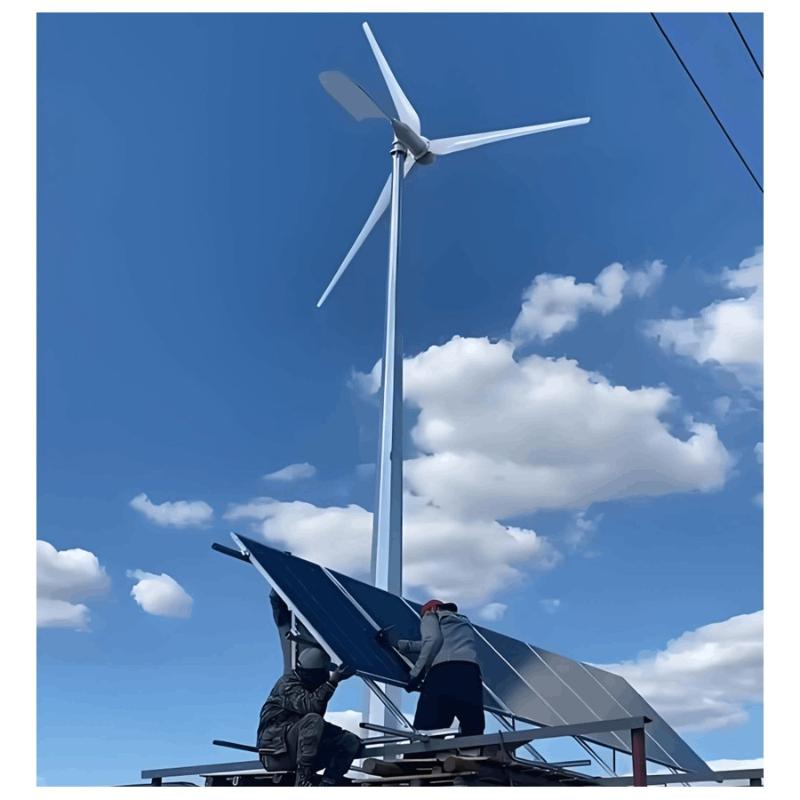
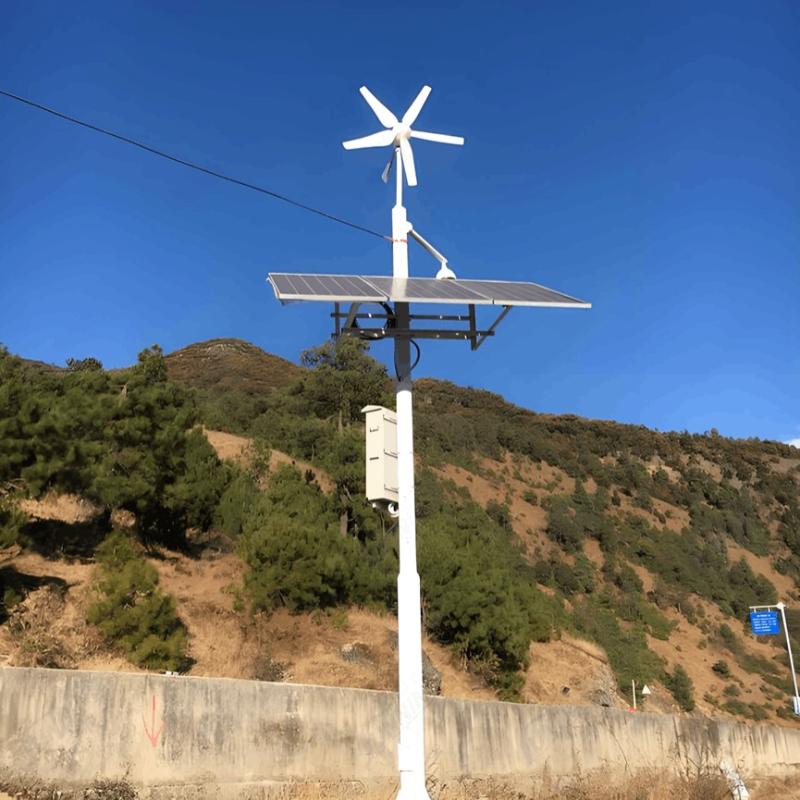
A wind-solar hybrid power system mainly consists of a wind turbine, solar photovoltaic (PV) panels, a controller, batteries, an inverter, and AC/DC loads. The system configuration diagram is shown in the attached figure. This system is a hybrid renewable energy solution that integrates multiple energy sources—wind, solar, and battery storage—along with intelligent control technology for optimized system operation.
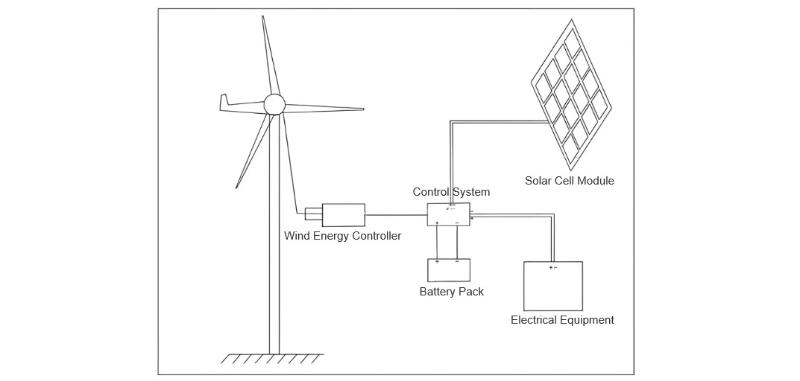
A wind-solar hybrid power system consists of several key components:
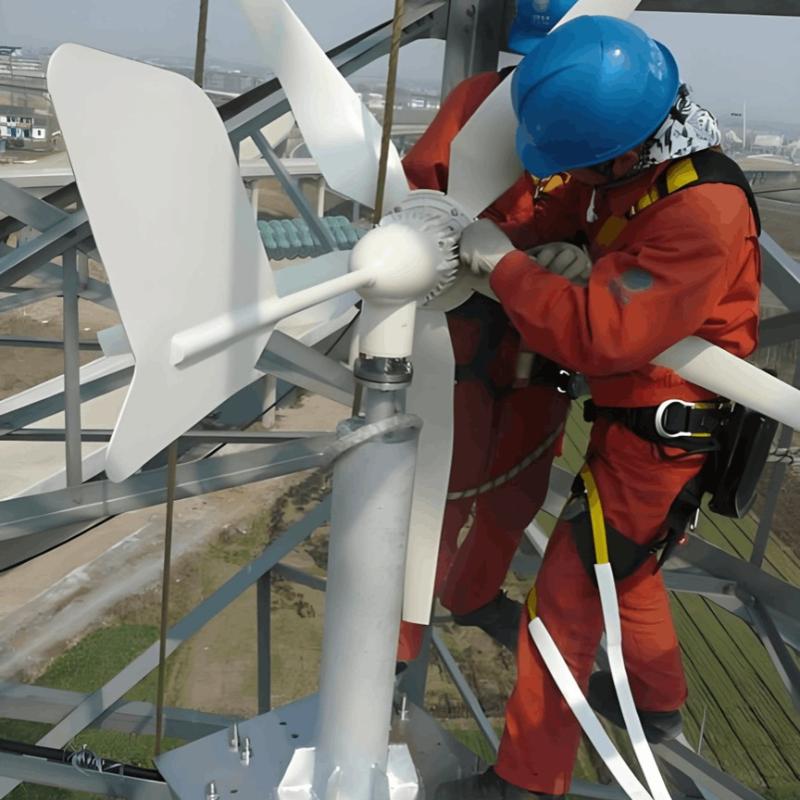
Wind Turbine: Converts wind energy into mechanical energy, which is then converted into electrical energy by a generator. This electricity charges batteries via a controller and supplies loads through an inverter.
Solar PV Panels: Utilize photovoltaic effects to convert sunlight into electrical energy, charging batteries and powering loads through an inverter.
Inverter System: Comprises multiple inverters converting DC from battery banks into standard 220V AC, ensuring stable operation of AC load devices. It also features automatic voltage stabilization for improved power quality.
Control Unit: Adjusts battery states based on solar intensity, wind speed, and load changes. It manages direct power distribution to DC/AC loads and excess energy storage in batteries. During insufficient generation, it draws from batteries to maintain system continuity.
Battery Bank: Stores energy from both wind and solar sources, playing a critical role in energy regulation and balancing loads. It ensures continuous power supply during shortages.
Advantages of wind-solar hybrid systems include higher stability and reliability due to energy complementarity, reduced battery capacity requirements, and minimized reliance on backup generators, leading to better economic and social benefits.
Fully utilizes wind and solar resources without external power supply.
Offers day-night and seasonal complementarity, ensuring high system stability and cost-effectiveness.
Reduces maintenance work and costs significantly.
Provides independent power supply unaffected by natural disasters.
Operates safely at low voltages with simple maintenance.
This system comprises two major parts: field stations and monitoring centers. Field stations include:
Wind Turbines: Convert wind energy into electricity for battery storage and supply to control boxes.
Solar Panels: Transform solar energy into electricity for battery storage or direct use.
Controllers: Manage the system’s operation, ensuring optimal charge/discharge cycles and protecting against overcharging.
Batteries: Store excess energy generated by wind turbines and solar panels for use during shortages.
Wind Turbine Selection: Ensure smooth operation and aesthetic appeal, minimizing tower load.
Optimal Configuration Design: Tailor the system's capacity based on local natural resources to maximize efficiency.
Pole Strength Design: Ensure structural integrity considering wind turbine and solar panel sizes and installation heights.
Safety Concerns: Systems are designed to withstand severe weather conditions, preventing potential hazards.
Power Supply Reliability: Adequate storage solutions ensure consistent power supply despite variable weather conditions.
Cost Issues: Technological advancements have reduced costs, making these systems economically viable with lower operational and maintenance expenses compared to traditional systems.
This concise summary highlights the essential aspects of wind-solar hybrid systems for pipeline monitoring, addressing their composition, advantages, and common concerns.