What is the purpose of parallel circuit breakers?

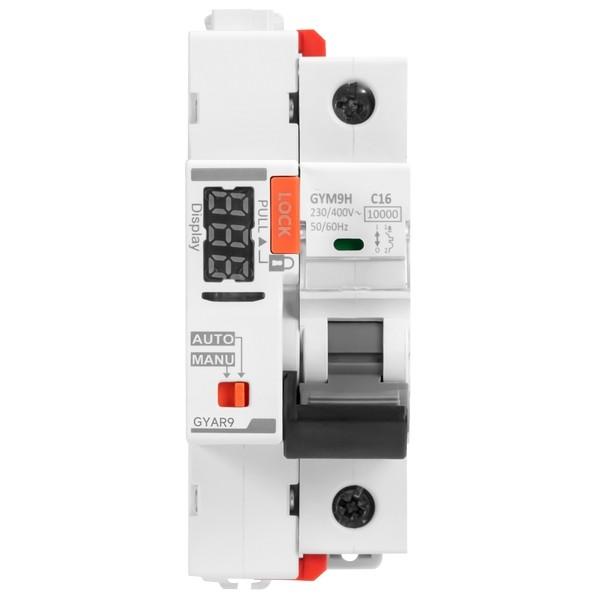
Parallel circuit breakers usually refer to circuit breakers used for parallel operation in power systems. Their purpose is to achieve the simultaneous operation of multiple circuit breakers to achieve load distribution, increase system capacity, and enhance redundancy and flexibility. The following are the main purposes and application scenarios of parallel circuit breakers:
Load distribution
In large power systems, a single circuit breaker may not be sufficient to handle the full load. By connecting multiple circuit breakers in parallel, the load can be spread across multiple devices, thus ensuring that each circuit breaker is operating within its rated capacity.
Increase system capacity
When the current to be handled exceeds the rating of a single circuit breaker, multiple circuit breakers can be connected in parallel to increase the total capacity of the system. This avoids the high cost and complexity of replacing a single circuit breaker with a larger capacity.
Enhanced redundancy
In critical power systems, a circuit breaker failure can lead to a serious power outage event. By connecting circuit breakers in parallel, even if one circuit breaker fails, the other circuit breakers can continue to work, thus maintaining the continuity of the power supply.
Increase flexibility
Parallel circuit breakers can provide more options for the operation of power systems. In some cases, circuit breakers can be operated in parallel or separately according to actual needs to optimize system performance or perform maintenance operations.
Protective equipment
In some cases, parallel circuit breakers can be used to protect equipment from overload or short circuits. By operating in parallel, the faulty circuit can be cut off more quickly, thus reducing damage to other equipment.
Application scenario Example
Applications in power systems
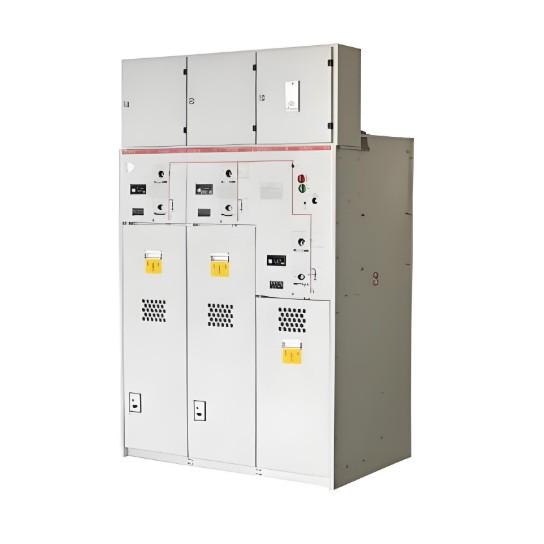
In a substation or distribution system, when the current or load to be handled is large, a parallel circuit breaker can be used to distribute the current, ensuring that each circuit breaker is operating within its rated current range.
Applications in industrial facilities
In large factories or industrial facilities, the demand for electricity is often very high. By connecting multiple circuit breakers in parallel, the stability and reliability of the power system can be ensured.
Applications in large buildings
In tall buildings or large commercial complexes, the demand for electricity is just as great. Parallel circuit breakers can be used to ensure the continuity and safety of the power supply.
Matters needing attention
Coordinated operation: Parallel circuit breakers need to be coordinated to ensure that they open or close at the same time, otherwise it may lead to current imbalance or other problems.
Selective protection: In parallel systems, selective protection needs to be considered, ensuring that only the fault area is isolated in the event of a failure, not the entire system.
Capacity matching: Circuit breakers in parallel should have similar current ratings and protection characteristics to ensure a balanced load distribution.
Conclusion
The application of parallel circuit breaker in power system is mainly to improve the capacity, flexibility and reliability of the system. By operating in parallel, it is possible to better cope with high load demands and enhance the safety and redundancy of the system. When designing and implementing a parallel system, problems such as coordinated operation and selective protection need to be considered to ensure the efficient operation of the system.