Definition: Ang temperature transducer usa ka electrical device nga moguba sa thermal energy ngadto sa pisikal nga kantidad sama sa displacement, presyon, o electrical signal. Ang iyang primary function mao ang pag-enable sa automatic measurement sa temperatura. Ang fundamental principle sumala sa temperature transducer mao ang pag-detect sa heat ug pag-convert niining information ngadto sa readable format alang sa transmission.
Karakteristik sa Temperature Transducer
Ang input adunay sukad nga thermal quantity.
Ang mga transducers kasagaran mag-convert sa thermal quantity ngadto sa alternating quantity.
Gisila kini para sa pag-measure sa temperatura ug heat flow sa mga devices.
Sensing Element
Ang sensing element nga gisila sa temperature transducer kinahanglan naa sa property nga mosabot sa pag-usab sa iyang characteristics sumala sa variation sa temperatura. Pwede mapasabot, sa resistance thermometer, ang platinum metal ang nagserbihi isip sensing element. Ang key requirements alang sa sensing element mao kini:
Ang temperature - sensing element mag-convert sa temperatura ngadto sa heat.
Kinahanglan adunay significant change sa resistance sumala sa temperatura.
Ang sensing element kinahanglan adunay high resistivity.
Types of Temperature Transducers
Ang temperature transducers mainly classified into two broad types:
Contact Temperature Sensor Devices
Sa karon nga tipo sa transducer, ang sensing element directly connected sa heat source. Ang heat transfer molabay pinaagi sa conduction, ang proseso kung diin ang heat molabay gikan sa usa ka substance ngadto sa uban wala gyud ang movement sa substances mismo.
Non - contact Type Temperature Sensor Devices
Ania, ang sensing element wala direct contact sa heat source. Naka-depensa sila sa convection phenomenon alang sa heat transfer. Ang convection mao ang proseso kung diin ang heat molabay pinaagi sa
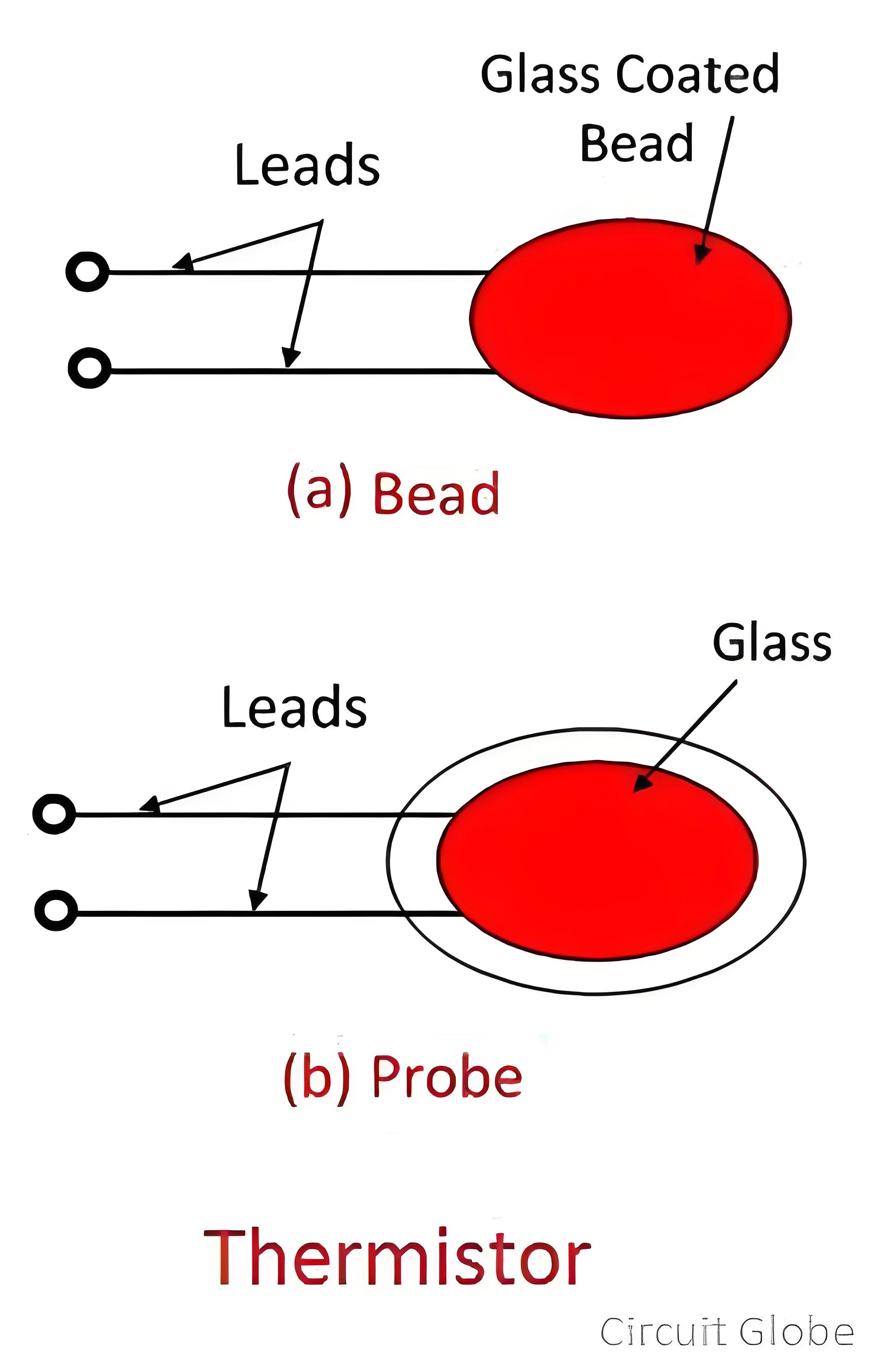
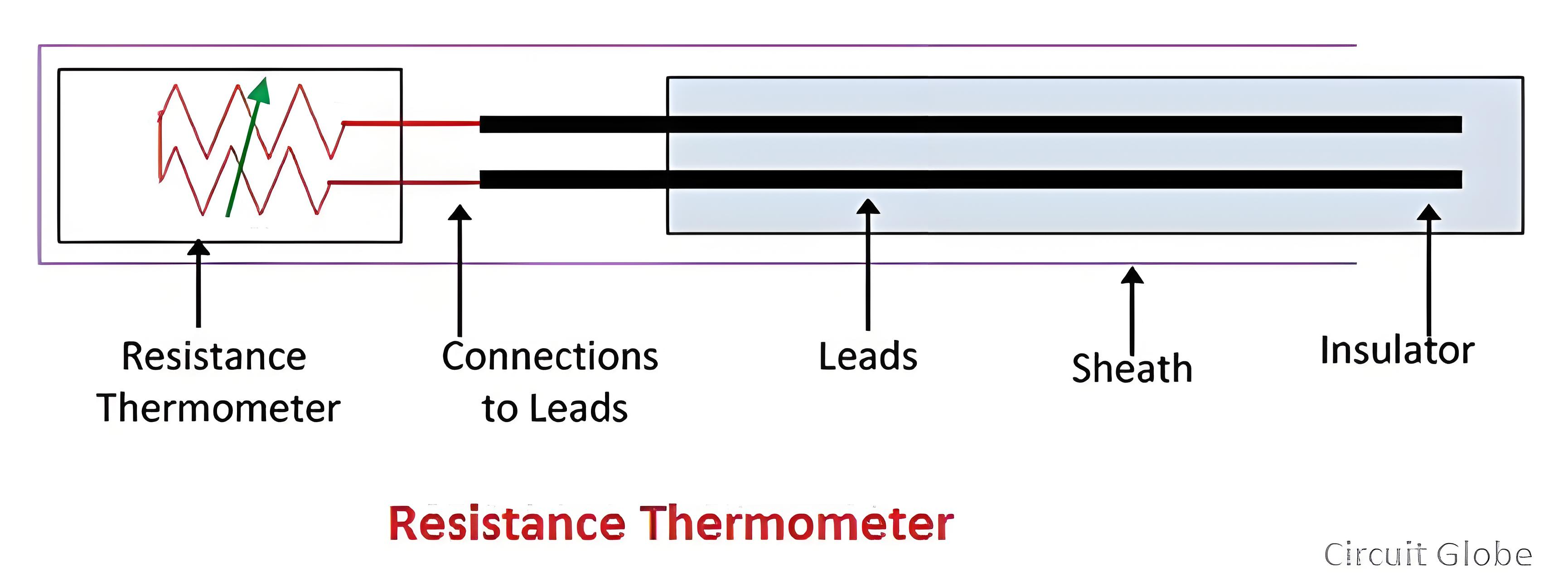
Ang resistance thermometers gi-classify ha duha ka main types:
Negative Temperature Coefficient (NTC) Resistance Thermometers: Kasagaran gisila kini para sa temperature sensing. Sumala sa name, ang resistance sa NTC thermistor mobaba kon mobata ang temperatura. Kini nga characteristic makapahimulos nimo sa accurate detection sa changes sa temperatura.
Positive Temperature Coefficient (PTC) Resistance Thermometers: Ang PTC thermometers kasagaran gigamit para sa current control. Kon mobata ang temperatura, ang resistance sa PTC thermistor mobata usab. Kini nga property makapahimulos nimo sa regulation sa flow sa electric current sa uban pang applications.
Operating Principle of Resistance Thermometers: Ang metals exhibit a property kung diin ang ilang resistance varies sumala sa temperatura. Ang resistance thermometers magamit kini nga principle para sa temperature measurement. Ang platinum commonly employed as the sensing element in high - precision resistance thermometers. Sumala sa stable ug predictable resistance - temperatura relationship sa platinum, ang mga thermometers can accurately measure the surrounding temperatura. Sa pag-measure sa resistance sa platinum element, ang corresponding temperatura mahimong mas precise determine, making resistance thermometers a reliable choice for a wide range of temperature - monitoring applications.
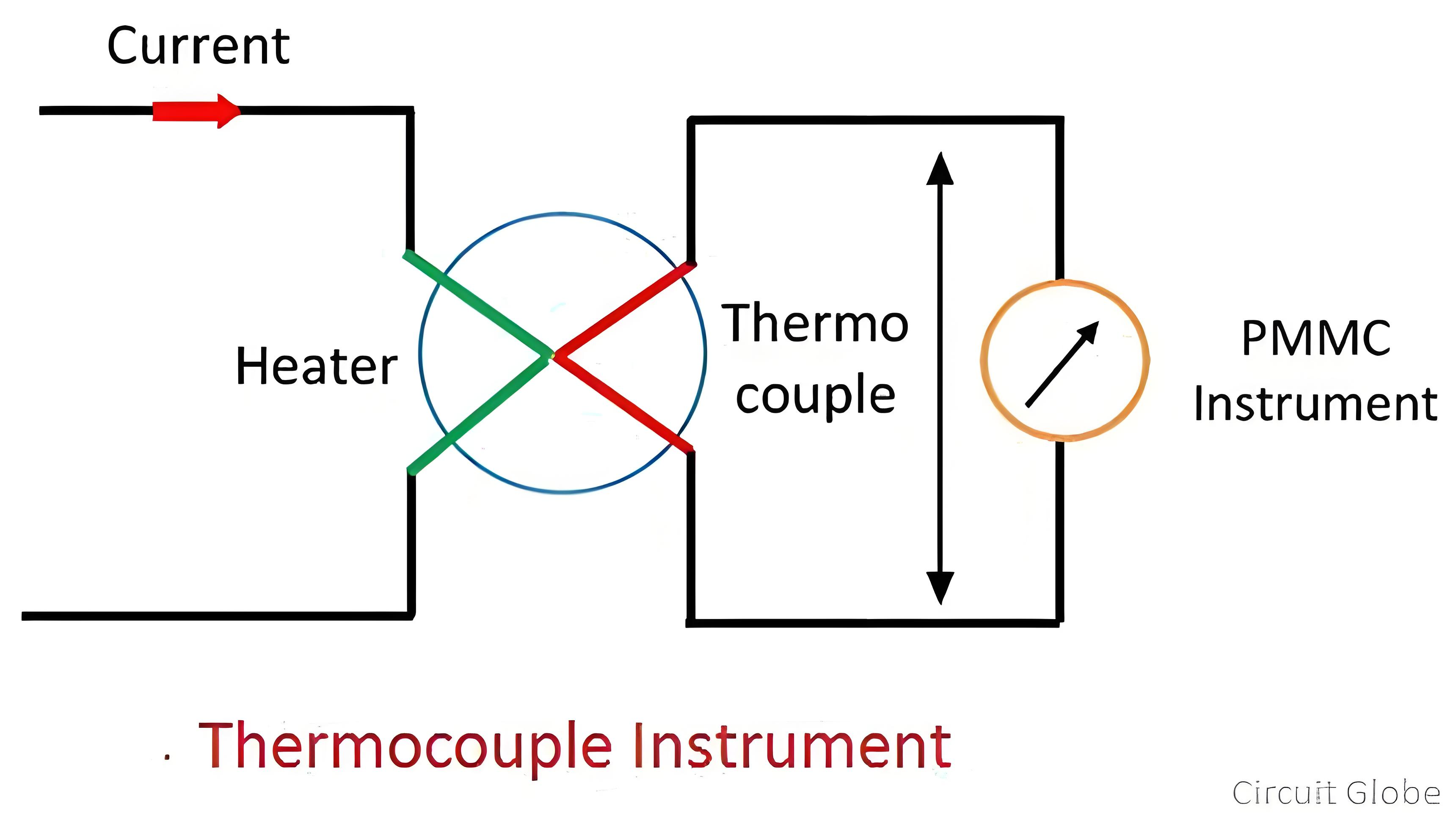
Thermocouples: Ang thermocouple usa ka device nga moguba sa temperatura ngadto sa electrical energy sa contact point. Gisila kini pinaagi sa principle nga ang different metals adunay distinct temperature coefficients. Kon duha ka dissimilar metals joined together para mabuo ang junction, ang Seebeck effect ang molabay. Kon mobata ang temperatura sa junction, ang voltage induced across the junction. Significantly, ang induced voltage directly proportional sa difference sa temperatura tali sa junction ug reference point. Kini nga linear relationship tali sa generated voltage ug temperatura makapahimulos nimo sa thermocouples nga highly effective sa accurate measurement sa temperatura. Gisila kini sa uban pang industrial, scientific, ug domestic applications, kung diin importante ang precise temperature monitoring ug control, sama sa furnaces, ovens, ug industrial process control systems.
Integrated Circuit Temperature Transducer: Ang integrated circuit (IC) temperature transducer employs a combination of a temperature - sensing element ug electronic circuit para sa temperature measurement. Kini nga tipo sa transducer characterized by its linear response, which simplifies the process of converting the sensed temperature into an electrical output that can be easily interpreted. However, one of the notable drawbacks of the integrated temperature transducer is its relatively narrow operating range. It typically functions within a temperature span of 0°C to 200°C. This limited range restricts its applicability in certain high - temperature or low - temperature environments where broader temperature coverage is required.
Despite this shortcoming, IC temperature transducers are widely used in numerous applications such as consumer electronics, where their compact size, linearity, and relatively simple interfacing make them a preferred choice for temperature monitoring within the specified temperature range. Non - contact type transducers can be further sub - categorised, with one example being the thermistor. A thermistor is a type of resistor whose resistance changes with temperature. Its resistance is measured by passing a small, measured direct current, which in turn causes a voltage drop across the resistance.