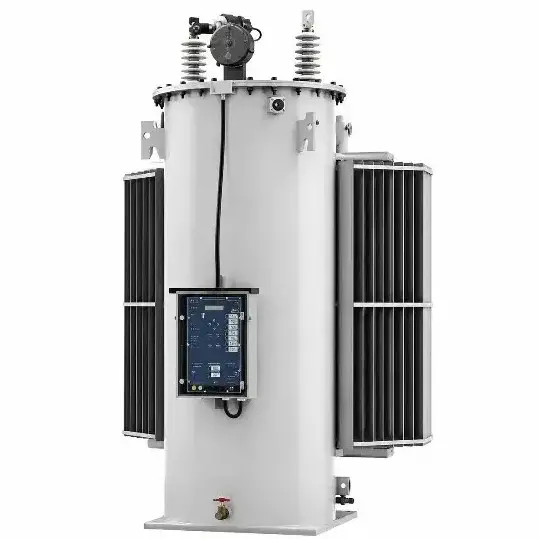
| Marca | ROCKWILL |
| Serie | RVR-1 |
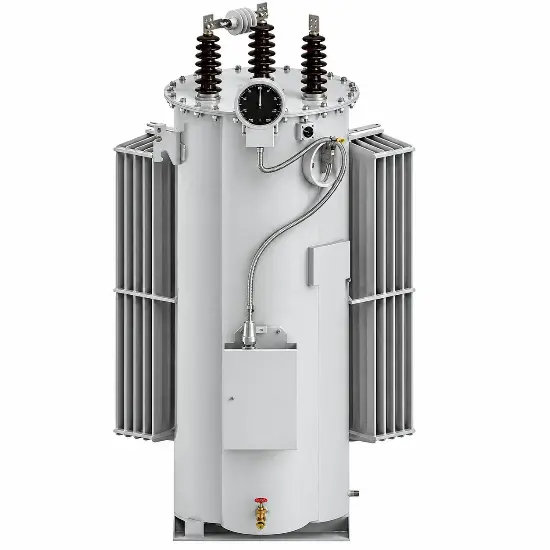
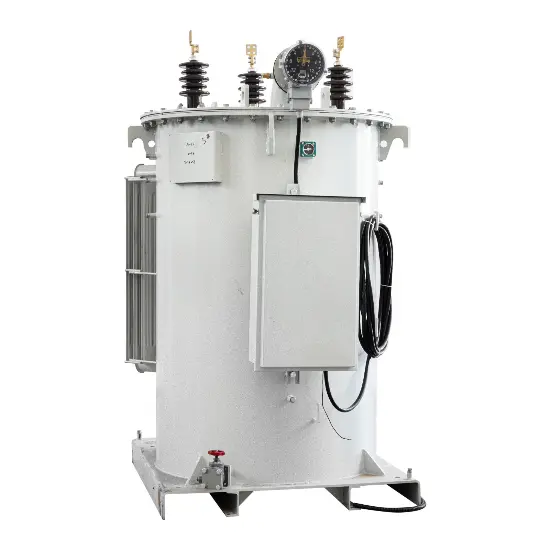
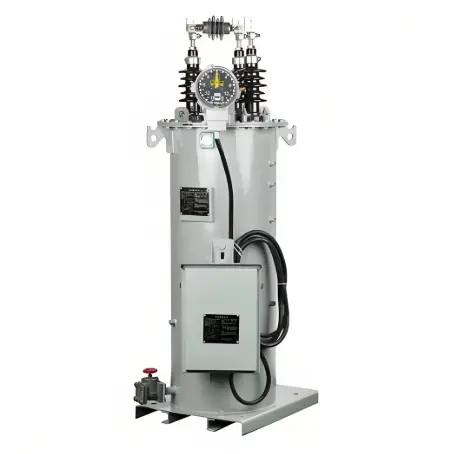
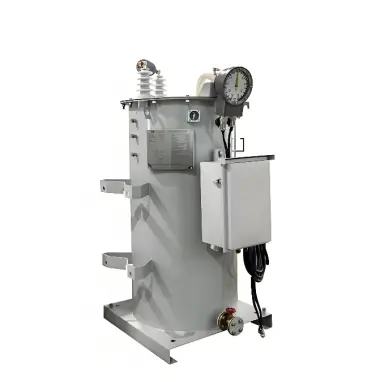
The RVR-1 voltage regulator achieves automatic on-load voltage regulation by adjusting the transformer ratio through the on-load tap changer. The intelligent controller RVR samples, analyzes, judges, and processes the voltage on the line, then sends signals to drive the on-load tap changer to adjust the voltage.
The RVR-1 voltage regulator is equipped with self-protection lockout functions, including line fault, overload, overcurrent, and undervoltage protection. The RVR-1 voltage regulator also features a unique on-load tap changer design that prevents arcing during voltage regulation, ensuring a service life of up to two million operations. The RVR-1 voltage regulator features a fully sealed design, with a high level of protection and excellent weather resistance, allowing for long-term maintenancefree operation.
High precision: Within the set voltage regulator range, it automatically adjusts the voltage in 32 loaded steps.
Long service life: The unique voltage-tapping switch design prevents arcing during voltage adjustment, ensuring a mechanical operational lifespan of 1 million cycles.
Low maintenance: Fully sealed design with high protection rating, excellent weather resistance, allowing for long-term maintenance-free operation, with a design life of 20 years.
Low loss: The single-phase design can minimize iron losses and reduce no-load losses, with total losses being less than 0.1%.
Strong overload capability: Designed with a rated capacity for a 55°C temperature rise, it can handle an overload of 12% at a 65°C temperature rise.
| Voltage (kV) | Current (A) | Capacity (kVA) | BIL (kV) | Power Frequency Withstand Voltage (kV) | Insulation Class |
|---|---|---|---|---|---|
| 7.62 |
50 | 38 | 60/75 | 20 | A |
| 100 | 76 | ||||
| 150 | 114 | ||||
| 219 | 167 | ||||
| 328 | 250 | ||||
| 438 | 333 | ||||
| 546 | 416 | ||||
| 13.8 | 50 | 69 | 95/125 | 38 | |
| 100 | 138 | ||||
| 150 | 207 | ||||
| 200 | 276 | ||||
| 300 | 414 | ||||
| 400 | 552 | ||||
| 14.4 | 50 | 72 | 95/125 | 38 | |
| 100 | 144 | ||||
| 200 | 288 | ||||
| 300 | 432 | ||||
| 400 | 576 | ||||
| 19.92 | 50 | 100 | 170/200 |
70 | |
| 100 | 200 | ||||
| 167 | 333 | ||||
| 200 | 400 | ||||
| 335 | 667 | ||||
| 34.5 | 50 | 165 | 170/200 |
70 | |
| 100 | 330 | ||||
| 150 | 495 | ||||
| 200 | 660 |
Service environment
Air temperature: Maximum temperature: +40℃;
Minimum temperature: -40℃
Humidity: Daily average humidity 100%.
Above sea level: Maximum installation altitude: 1000m.
Note: If it needs to be installed in plateau areas with an altitude higher than 1,000 meters, it is essential to consult with the manufacturer to take necessary measures to strengthen insulation during the ordering process.
Utility Grids: The voltage regulator compensates for drops in rural or long-distance lines
Industrial Power: The step voltage regulator stabilizes voltage for factories with fluctuating loads
Renewable Energy: The voltage regulator smooths variations in solar/wind farm connections
Commercial/Municipal: The step voltage regulator ensures stable power for hospitals, data centers, and plants
Mining/Offshore: The voltage regulator handles high fluctuations in demanding environments
Connection diagrams


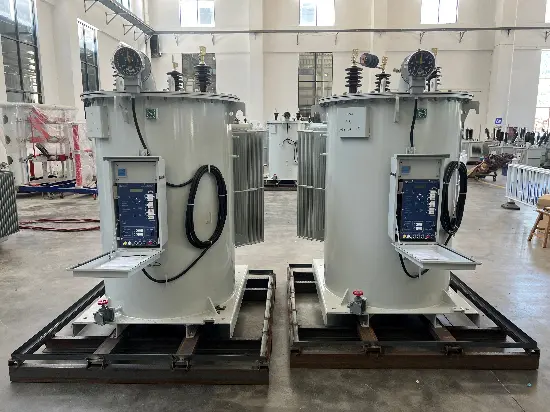
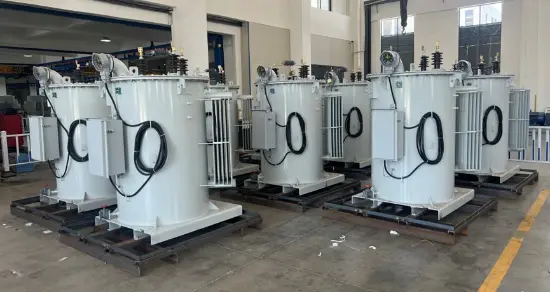
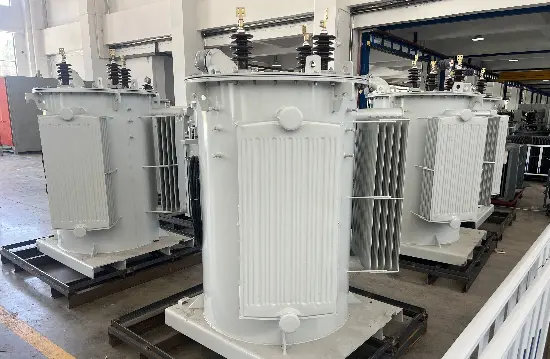

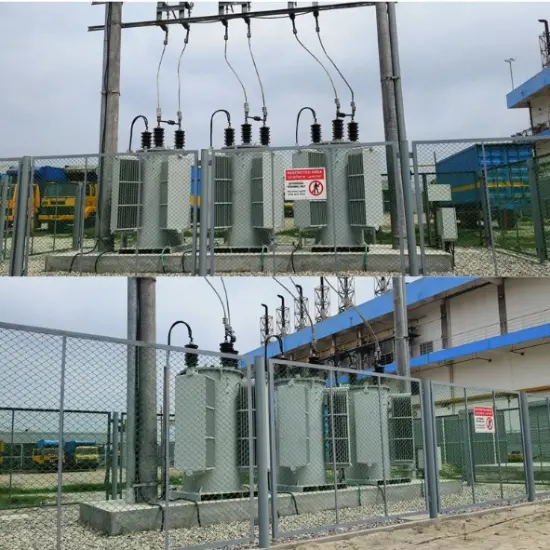
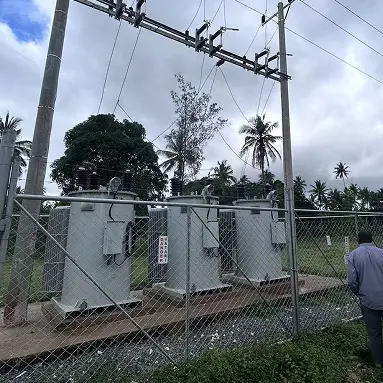


Il Regolatore di tensione a gradini RVR-1 regola automaticamente la tensione di linea in 32 gradini sotto carico utilizzando il suo controllore intelligente per analizzare la tensione di linea e azionare il commutatore sotto carico.
Il regolatore di tensione a gradini RVR-1 è dotato di un innovativo commutatore sotto carico anti-arco che garantisce da 1 a 2 milioni di manovre, e di una struttura completamente sigillata che assicura una vita utile di progetto di 20 anni con funzionamento a lungo termine senza necessità di manutenzione.
Il regolatore di tensione a gradini RVR-1 è dotato di funzioni di blocco di autoprotezione contro guasti di linea, sovraccarico, sovracorrente e sottotensione.
Le perdite totali del Regolatore di tensione a gradini RVR-1 sono inferiori allo 0,1%. Progettato per un incremento di temperatura di 55 °C, può gestire un sovraccarico del 12% con un incremento di temperatura di 65 °C.









 Accesso